Tiered Tray Stands Care & Cleaning: 9 Easy Rules for a Like-New Look
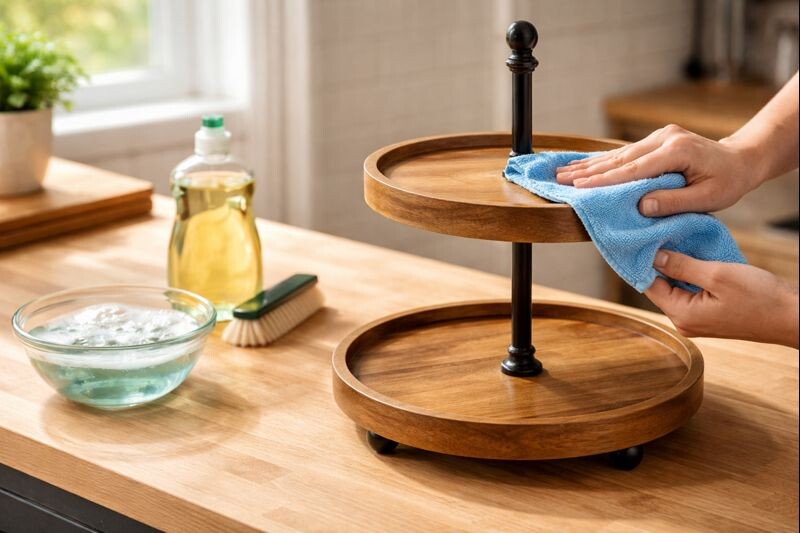
Tiered tray stands care & cleaning starts with gentle wiping, fast drying, and knowing your materials. A quick routine beats an occasional “panic scrub” every time. Whether your stand is sealed wood, painted MDF, metal-and-wood, or mixed with ceramic plates, the goal is the same: keep finishes looking clean without loosening joints or dulling the surface.
Contents Here
- 1 Know what you’re cleaning before you touch a sponge
- 2 Cleaning supplies that won’t wreck finishes
- 3 The weekly routine: dust, wipe, dry, reassemble
- 4 Deep cleaning sticky residue, stains, and odors
- 5 Condition wood tiers so they don’t look tired
- 6 Metal posts, screws, and handles: prevent rust and keep it snug
- 7 Prevent warping, fading, and wobble with a few habits
- 8 Storage and seasonal maintenance that actually works
- 9 Quick repairs and refresh: scratches, rough spots, worn finish
- 10 FAQs on Tiered Tray Stands Care & Cleaning
- 10.1 Can I put a tiered tray stand in the dishwasher?
- 10.2 How do I remove sticky residue from a tiered tray stand?
- 10.3 How do I clean a wooden tiered tray without damaging the finish?
- 10.4 What oil should I use to condition wooden tiers?
- 10.5 How often should I oil a wooden tiered tray stand?
- 10.6 How do I prevent my tiered tray stand from wobbling over time?
- 10.7 What’s the best way to store a tiered tray stand long-term?
- 11 Conclusion
Know what you’re cleaning before you touch a sponge
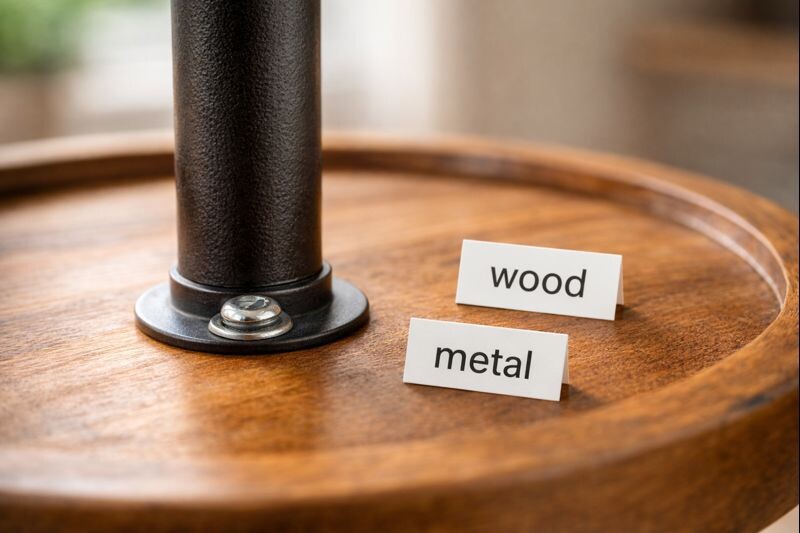
Most tiered tray stands are a mix of parts, and each part behaves differently. Wood tiers can swell or warp if soaked. Painted surfaces can scratch if you use the wrong scrubber. Metal posts can tarnish or rust if water sits in seams.
Start by checking:
- Wood: sealed (poly, lacquer) or unfinished/hand-oiled
- Paint: chalk paint, acrylic craft paint, or factory enamel
- Metal: black iron, stainless, brass-toned plating, or aluminum
- Plates: ceramic, glass, or removable trays
If your wood is sealed, use the same approach you’d use to clean a sealed wood tray without dulling it. If the finish is unknown, treat it like it’s delicate until proven otherwise.
60-second material and finish checklist
Do this quick pass before cleaning:
- Are the tiers raw wood, or do they feel slick and sealed?
- Do water drops bead up, or do they soak in quickly?
- Are there rubber feet, felt pads, or cork spacers?
- Can you disassemble the post and tiers easily?
- Is anything already loose or wobbly?
That last question matters. If the stand already shifts, water can work into the joints and make it worse. If yours wobbles, fix that first using the same approach you’d use to stop a tiered tray stand from wobbling.
Cleaning supplies that won’t wreck finishes
You don’t need a cabinet full of cleaners. You need a few gentle tools you’ll actually use.
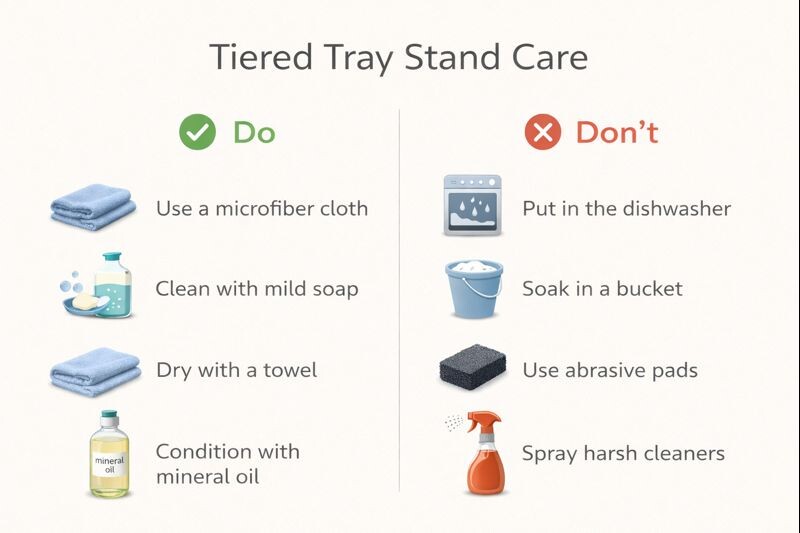
Keep these on hand:
- Microfiber cloths (one for washing, one for drying)
- Mild dish soap
- Warm water (not hot)
- Soft sponge or soft toothbrush for crevices
- Cotton swabs for hardware corners
- Baking soda (for mild stains and sticky residue)
- Food-safe mineral oil or a beeswax board cream (for unfinished or oiled wood)
Skip abrasive pads and harsh degreasers. They can haze clear coats, scratch paint, and dull plated metal fast.
The weekly routine: dust, wipe, dry, reassemble
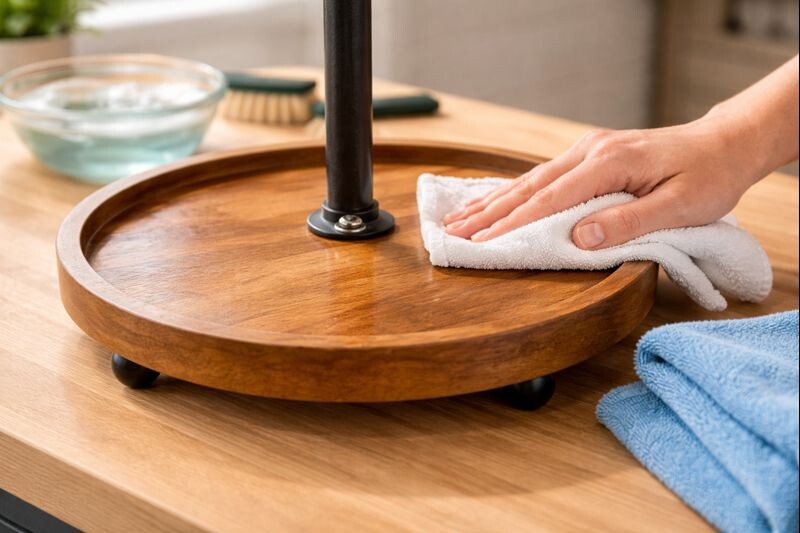
A simple routine once a week (or every couple of weeks) keeps grime from building into a project.
- Remove décor and shake crumbs into the trash.
- Dry dust first with a microfiber cloth.
- Wipe with a damp, soapy cloth (not dripping).
- Wipe again with clean water on another cloth.
- Dry immediately with a towel, especially around seams.
- Let it air-dry fully before stacking décor back on.
If the tiers are bare wood, use as little moisture as possible. For sealed wood, you can do a slightly wetter wipe, but keep it brief. If your tiers need a fresh protective coat, it’s worth learning how to seal a wooden serving tray and applying the same finish mindset to your stand.
Decor-only dusting vs food-use cleaning
Most tiered stands are display pieces, not serving trays. That changes how aggressive you need to be.
Decor-only stands
- Dust dry most of the time
- Spot-clean sticky marks with a damp cloth
- Avoid repeated wet wiping on chalk paint
Food-use stands (cookies, fruit, snacks)
- Clean the surfaces the same day
- Use mild soap and quick rinsing wipes
- Dry completely before reassembly
If food is involved, finishes matter. If you’re unsure about a protective coat, this guide on whether polyurethane is food safe when cured helps you make smarter choices.
Deep cleaning sticky residue, stains, and odors
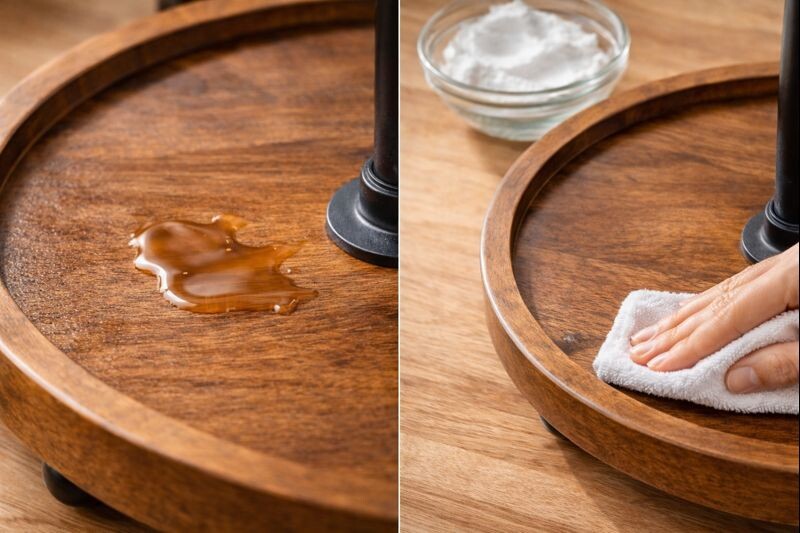
Sticky residue usually comes from syrups, drink rings, wax drips, or candy. Stains happen when moisture sits too long.
For most finishes:
- Mix a drop of dish soap into warm water.
- Dampen a cloth and hold it on the spot for 10–20 seconds.
- Wipe gently, then dry.
For stubborn sticky spots on sealed surfaces:
- Make a baking soda paste (baking soda + a few drops of water).
- Rub lightly with a soft cloth, then wipe clean.
- Dry immediately.
Avoid baking soda on soft, easily scratched paint unless you test first. On chalk paint, start with plain water and a gentle wipe. If the paint is tacky or soft, the finish may not be sealed well. In that case, review how to seal acrylic craft paint on wood so it doesn’t stay tacky and consider sealing once it’s fully cured.
Safe disinfecting when the stand touches food
Soap and water handle most real-world cleaning. If you still want a disinfect step, keep it simple:
- Clean first with mild soap.
- Use a lightly damp cloth with a gentle disinfect option you trust.
- Wipe again with clean water.
- Dry right away.
Be careful with vinegar on brass-toned or gold-tone metal. It can dull plating. If your stand has that warm brass look, treat it like jewelry: minimal moisture and quick drying.
Condition wood tiers so they don’t look tired
If your tiers are unfinished or oiled wood, they’ll eventually look dry or feel rough. Conditioning brings back the smooth feel and helps resist future stains.
Here’s the shop-simple method:
- Make sure the wood is fully dry.
- Apply a small amount of mineral oil or board cream.
- Rub with the grain using a clean cloth.
- Let it sit 15–30 minutes.
- Buff off the extra until it feels dry to the touch.
If your stand is walnut and you’re curious about getting a clean, even look, the finishing steps in how to finish walnut wood translate well to tier surfaces too.
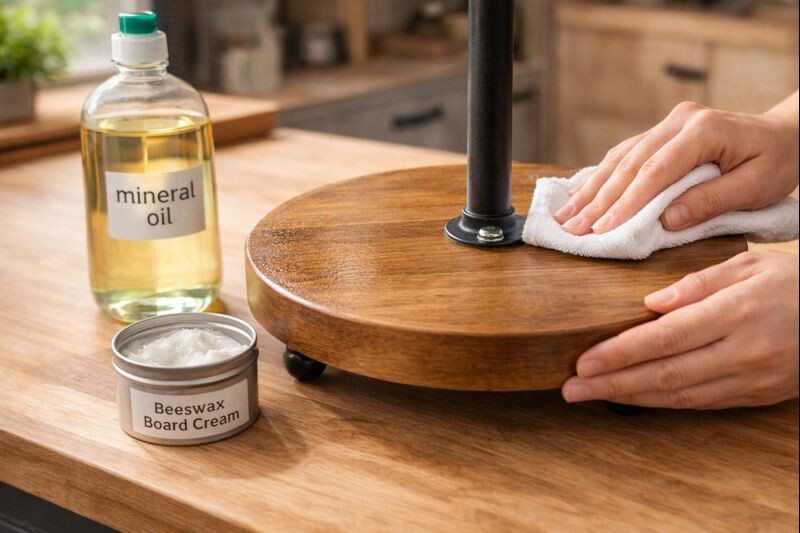
How often to oil and which oils to avoid
Oil when the wood looks dull, feels rough, or absorbs water instantly. For most homes, that’s every 4–8 weeks if the stand is handled often.
Avoid kitchen oils like olive, canola, or vegetable oil. They can smell over time and leave a gummy surface. Stick with food-safe mineral oil or a wax blend.
Metal posts, screws, and handles: prevent rust and keep it snug
Metal parts usually fail in two ways: corrosion and loosening.
To clean metal posts:
- Wipe with a lightly soapy cloth.
- Dry immediately, especially where the post meets the tiers.
- Use a cotton swab in tight corners.
To keep it sturdy:
- Tighten gently, don’t crank hard.
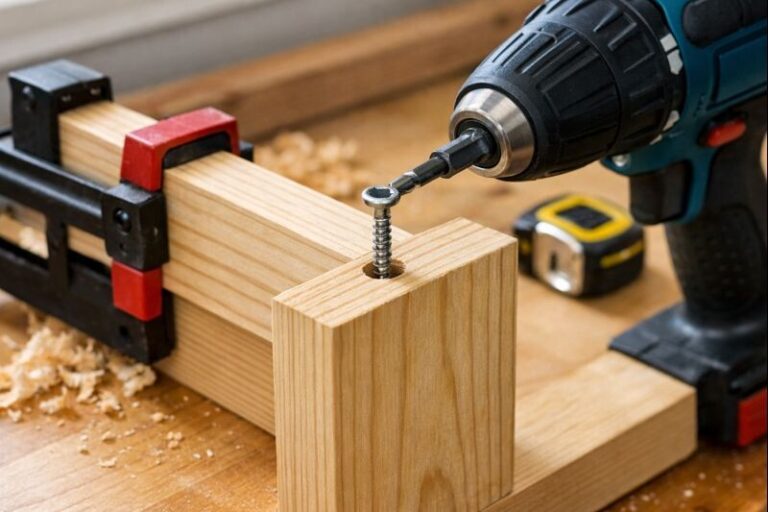
- If screws keep backing out, use the same approach explained in how to fix loose screws in wood.
If you see surface rust on black iron, deal with it early. Light rust often comes off with a dry scrub pad and a careful wipe, but keep water away from joints.
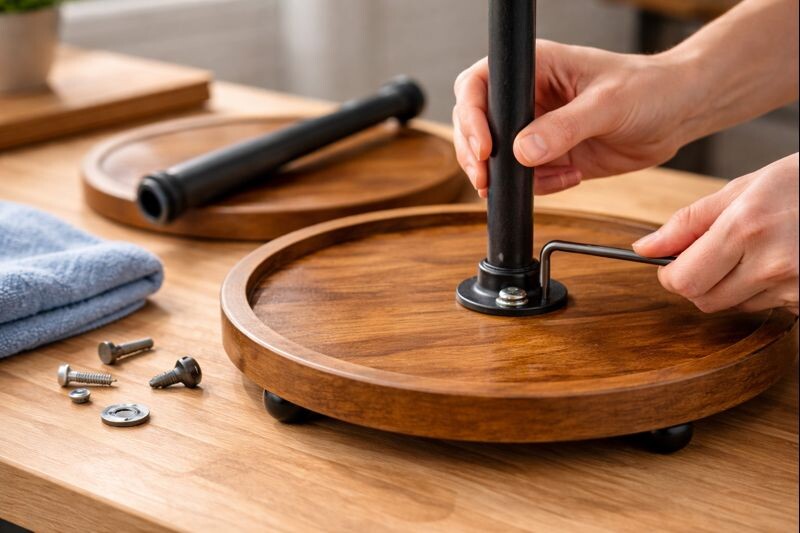
Prevent warping, fading, and wobble with a few habits
A tiered stand lives out in the open, so the environment matters.
- Keep it away from direct sunlight to prevent fading.
- Don’t set it near a stove, heater, or humidifier.
- Put heavier items on the bottom tier.
- Use small coasters or liners under anything that sweats.
- Pick it up by the base, not by the top handle.
That last habit saves more stands than any cleaner. Handles are convenient, but they aren’t always built for heavy lifting.
Storage and seasonal maintenance that actually works
If you rotate décor by season, storage habits decide whether the stand looks “new” next year.
For storage:
- Clean and dry it completely.
- Disassemble if possible.
- Wrap tiers with paper or soft cloth.
- Store flat in a dry, stable space.
Every few months:
- Check hardware for looseness.
- Replace worn felt pads.
- Recondition unfinished wood if it looks thirsty.
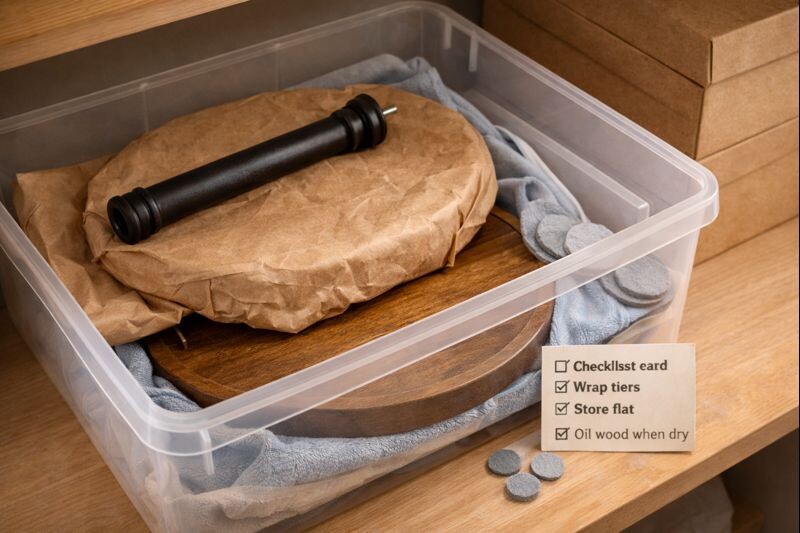
Quick repairs and refresh: scratches, rough spots, worn finish
Little damage is normal. You don’t need to refinish the whole stand for a small issue.
For light scratches on sealed wood:
- Clean the area.
- Try a tiny amount of polish made for wood finishes.
- Buff lightly and stop once it blends.
For rough spots on unfinished wood:
- Lightly sand with fine grit, following the grain.
- Wipe off dust.
- Re-oil and buff.
For paint chips:
- Touch up with matching paint.
- Let it cure fully.
- Seal if needed, especially on high-touch edges.
If a screw hole strips out or hardware won’t tighten, fix the joint before you keep using it. A loose tier is how stands end up cracked.
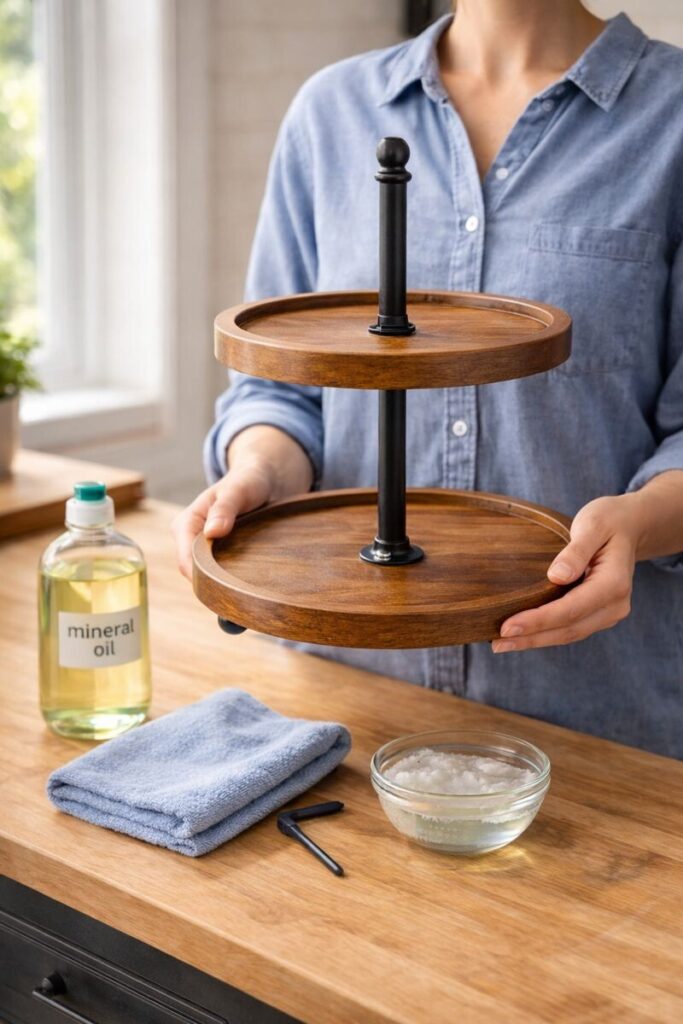
FAQs on Tiered Tray Stands Care & Cleaning

Can I put a tiered tray stand in the dishwasher?
Almost never. Heat, soaking, and harsh detergent can warp wood, dull finishes, and rust hardware. Hand-clean it with a damp cloth and dry immediately.
How do I remove sticky residue from a tiered tray stand?
Start with warm soapy water on a damp cloth. For sealed surfaces, a baking soda paste can lift stubborn residue. Don’t scrub hard on paint or soft finishes.
How do I clean a wooden tiered tray without damaging the finish?
Dust first, then wipe with a barely damp cloth and mild soap. Never soak wood. Dry right away, especially around joints and the center post.
What oil should I use to condition wooden tiers?
Use food-safe mineral oil or a beeswax-based board cream. Avoid cooking oils like olive or vegetable oil because they can turn sticky and smell.
How often should I oil a wooden tiered tray stand?
Oil when it looks dull, feels rough, or absorbs moisture quickly. For most homes, every 4–8 weeks is plenty.
How do I prevent my tiered tray stand from wobbling over time?
Keep hardware snug, don’t overload the top tier, and lift from the base. If the center post loosens repeatedly, address the joint instead of tightening harder.
What’s the best way to store a tiered tray stand long-term?
Clean it, dry it fully, disassemble if possible, and store flat with padding between tiers. Keep it out of damp basements and direct sun.
Conclusion
Tiered tray stands care & cleaning doesn’t need special products or complicated routines. Dust first, use mild soap sparingly, and dry faster than you think you should. Condition unfinished wood when it looks dull, protect metal seams from sitting water, and store it like a finished piece—not a garage tool.