Is Acrylic Craft Paint Water Based or Latex? 9 Truths That Stop Tacky Paint
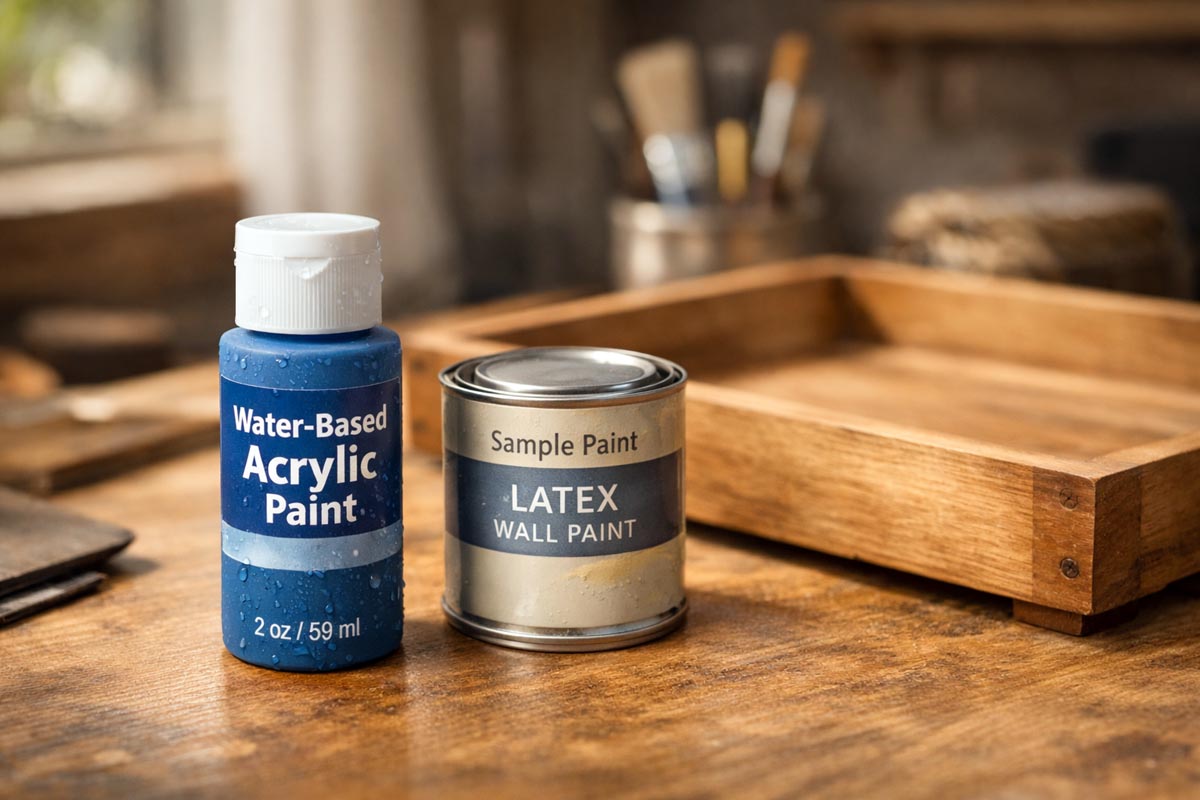
Acrylic craft paint is water-based, and while people sometimes call similar water-based paints “latex,” craft acrylic is best described as a water-based acrylic, not a rubber-latex paint.
Brands even label it that way; for example, DecoArt’s Americana line calls itself a “water-based acrylic paint” The “or latex” part confuses people because “latex paint” is also water-based, and many latex wall paints use acrylic binders too. The trick is learning what each label means—and what it changes for drying, cleanup, sealing, and durability on wood.
Contents Here
- 1 Acrylic craft paint is water-based in the way finishers care about
- 2 So why do people ask “water-based or latex?”
- 3 Water-based, water-soluble, and water-resistant are not the same
- 4 Acrylic vs latex vs “acrylic latex” (where craft paint fits)
- 5 How to tell whether your bottle is water-based or “latex”
- 6 What “water-based” changes when you paint wood trays
- 7 Common “water-based acrylic” problems (and what actually causes them)
- 8 Safety notes (water-based doesn’t mean “harmless”)
- 9 Bottom line
Acrylic craft paint is water-based in the way finishers care about
Acrylic craft paint uses water as the vehicle (the liquid that keeps the paint spreadable) and acrylic polymer as the binder (the plastic film that stays behind). Liquitex explains it plainly: water-based acrylic paint holds pigment in an acrylic polymer emulsion, and the paint forms a film as water leaves by evaporation or absorption.
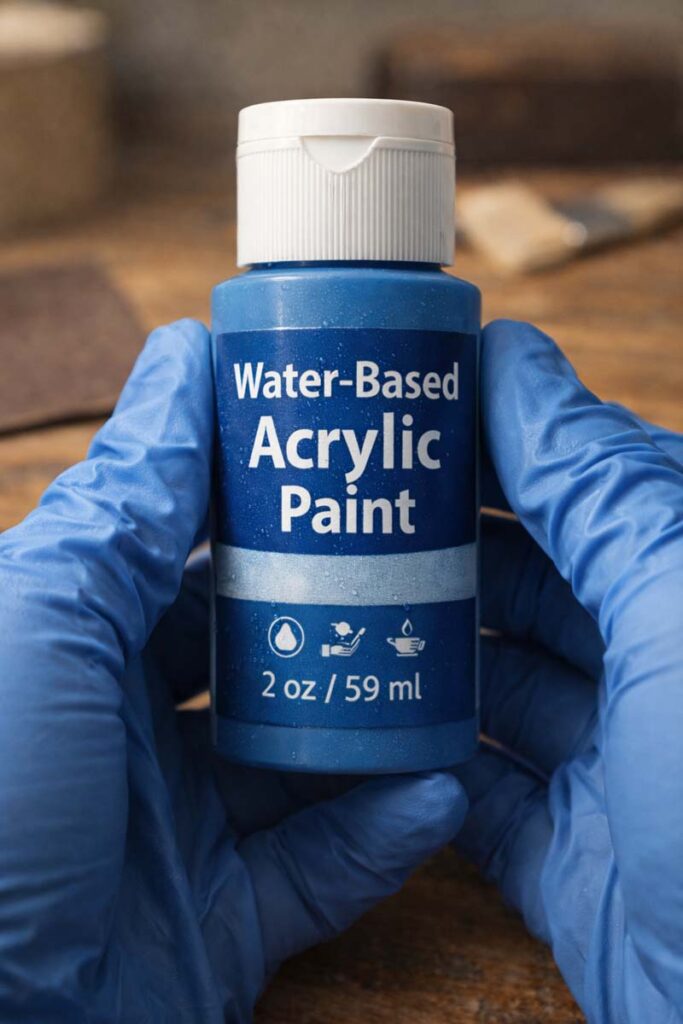
That single fact drives most shop realities:
- Cleanup: brushes and spills clean up with soap and water while the paint is wet.
- Thinning: you usually thin with small amounts of water or acrylic medium (not mineral spirits).
- Drying: it dries fast because water leaves fast.
- After drying: the surface becomes much more water-resistant than it was when wet.
DecoArt’s product info backs the “water-based acrylic” wording that’s common on craft bottles.
So why do people ask “water-based or latex?”
Because “latex” means two different things depending on who’s talking.
In consumer paint-store language, latex paint usually means water-based architectural paint (walls, trim, siding). In chemistry/manufacturing language, latex often means a water dispersion of polymer particles (an emulsion/dispersion binder system). That overlap makes “acrylic vs latex” sound like an either/or choice, even though both can be waterborne.
There’s also a safety worry: people hear latex and think rubber allergy. Major allergy organizations note that latex paints do not contain natural rubber latex protein (the protein that triggers natural latex allergy).
Water-based, water-soluble, and water-resistant are not the same
Acrylic craft paint behaves one way in the bottle and another way after cure.
Wet acrylic craft paint is water-thinnable and water-cleanup.
Dry acrylic craft paint is a plastic film. Liquitex describes the film formation: once water leaves, the binder forms a stable polymer film that traps pigment.
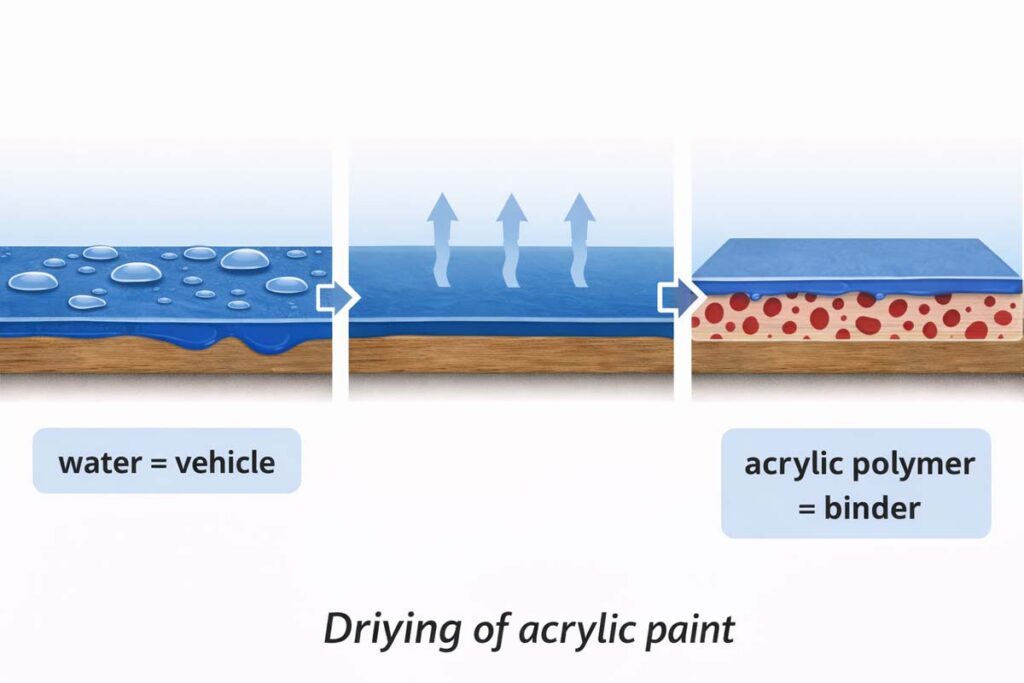
Here’s the practical translation for wood projects:
- Water-based (waterborne): water is the main carrier while wet.
- Water-soluble: it mixes with water while wet (many acrylics do).
- Water-resistant: after drying, splashes bead longer and wiping is easier—but it isn’t automatically waterproof.
The American Chemical Society also uses the common classification: if the liquid carrier is water—as in latex and some acrylic paints—then the coating is “water-based.”
Acrylic vs latex vs “acrylic latex” (where craft paint fits)
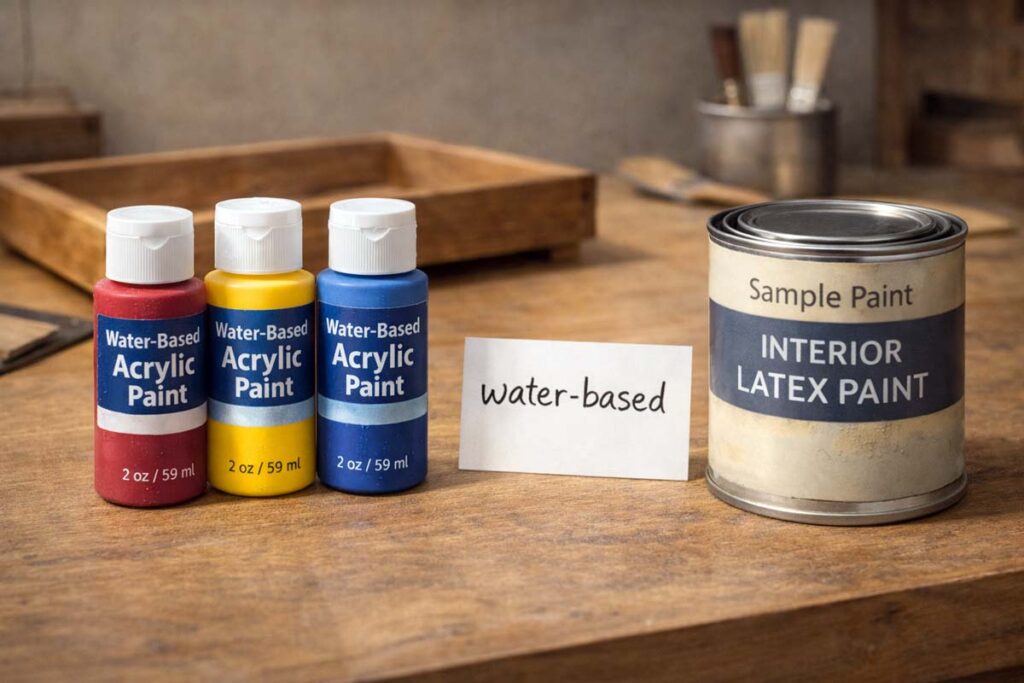
If you’re standing in a shop with a tray blank in front of you, the simplest way to separate these is by intended use and film build, not by the word on the front label.
Acrylic craft paint (your small bottles):
- Targets crafts and decorative finishes.
- Uses acrylic binder systems and fillers to brush well and dry fast.
- Often dries matte and can feel “grabby” until fully cured.
Latex wall paint (your gallon cans):
- Targets walls/trim/exteriors depending on formula.
- Uses waterborne binders that may be vinyl-acrylic or 100% acrylic.
- Builds differently, levels differently, and is formulated for large surfaces.
“Acrylic latex” (common on house paint labels):
- Usually means a latex (waterborne) paint that uses acrylic resin as the binder.
- It’s still water-based; the label is telling you the binder family, not that it’s “craft acrylic.”
If you want one clean sentence to remember: Most craft acrylics are water-based acrylic emulsions; many “latex” house paints are also water-based emulsions, often acrylic-based.
How to tell whether your bottle is water-based or “latex”
On craft paint, you rarely need guesswork. Use the label and the SDS the same way a finisher checks a can of lacquer.
Look for these label clues (fast and reliable):
- “Water-based” or “waterborne” wording (common on craft lines).
- “Soap and water clean-up.”
- “Non-toxic” / AP certification language (helpful for handling, not a performance guarantee).
- “Acrylic” plus “multi-surface,” “matte,” “satin,” or “outdoor” descriptors (tells you additives and intended use).
SDS clues (more technical):
- Mentions of water as the vehicle, acrylic polymer emulsion, or water dispersion language.
- Notes that the product is largely solids suspended in water (common phrasing in regulatory sections).
If you’re seeing mineral spirits cleanup or strong solvent warnings, you’re not dealing with typical water-based craft acrylic.
What “water-based” changes when you paint wood trays
Water-based acrylic craft paint works on wood, but it’s less forgiving than people expect because wood is porous and moves with moisture.
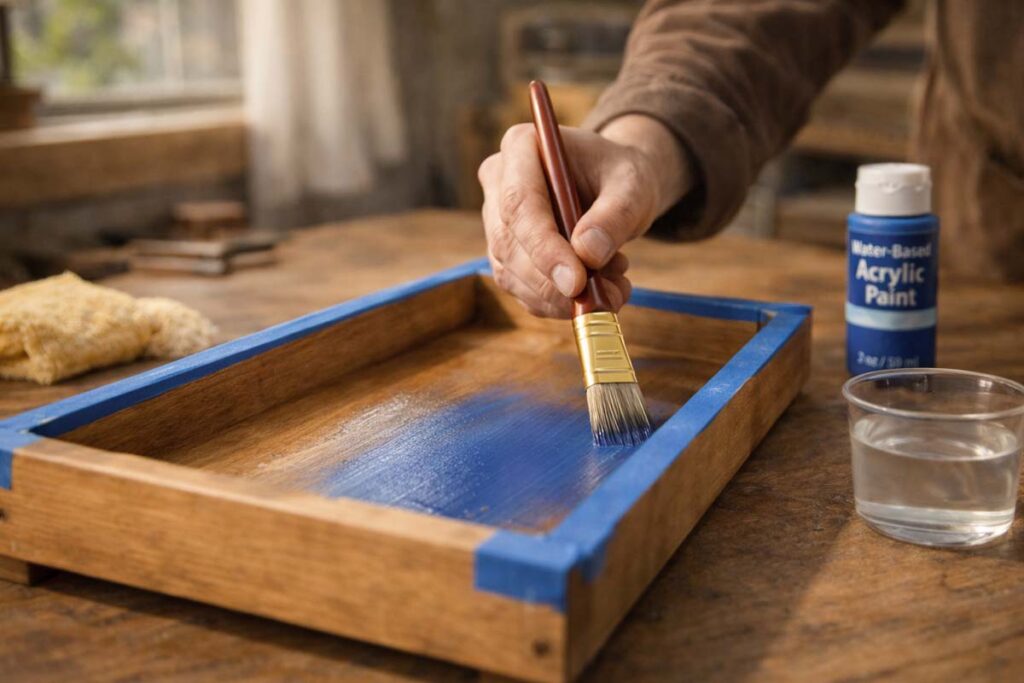
Surface prep that keeps acrylic craft paint from acting weird
Order matters here:
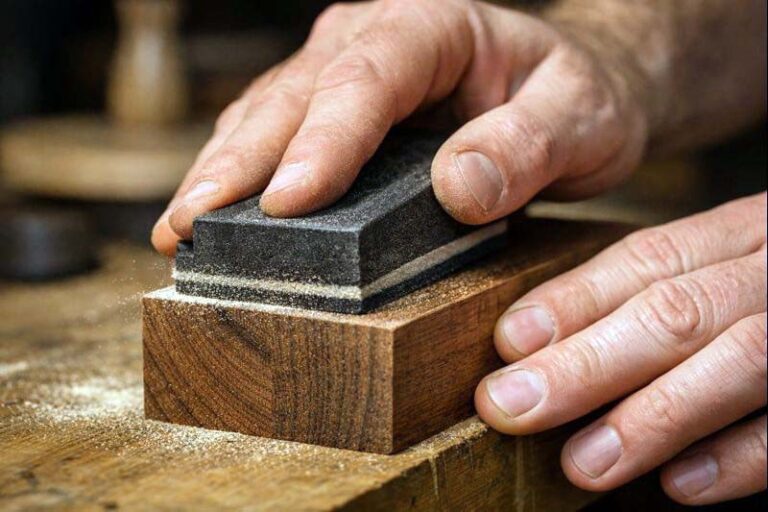
- Sand to a consistent scratch pattern. Paint highlights uneven sanding faster than stain.
- Remove dust completely. Dust becomes bumps and weak adhesion points.
- Seal or prime when the wood is thirsty. Softwoods and end grain drink water-based paint and leave patchy sheen.
- Paint in thin coats. Thick coats trap water and stay soft longer.
If you’re fighting texture or brush marks, fix the application before you blame the paint. This guide helps you dial in technique: get a smooth painted finish without brush marks.
Sealing matters because acrylic craft paint is water-resistant, not abuse-proof
On trays—especially anything that will be wiped, handled, or styled repeatedly—paint alone is a weak top surface. A clear coat adds abrasion resistance and makes cleaning easier.
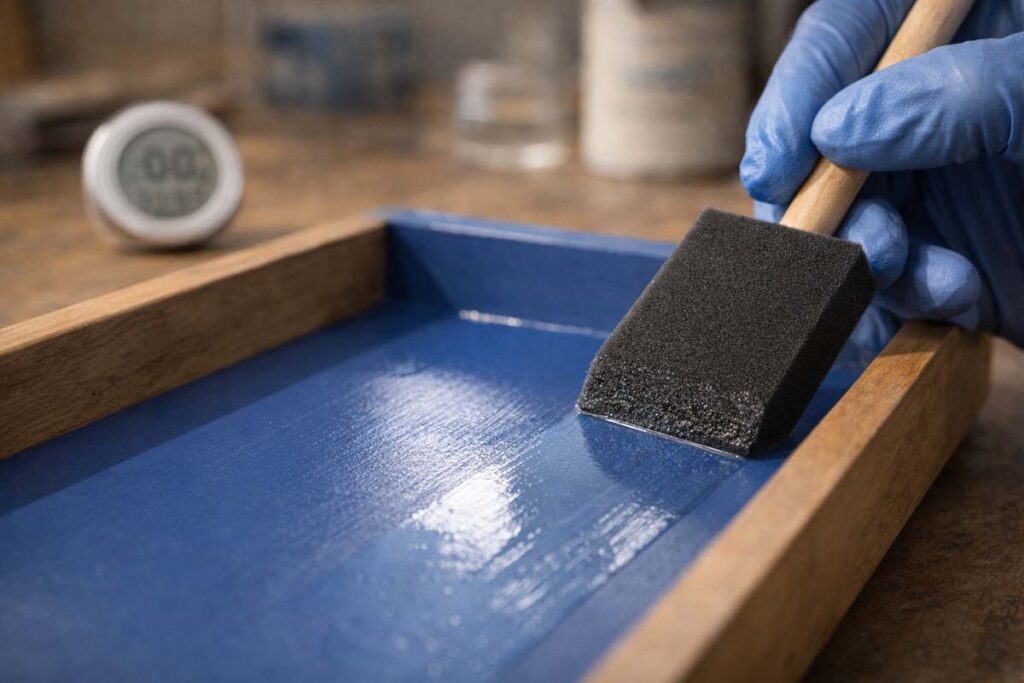
If you’ve ever had acrylic craft paint stay rubbery or tacky under a clear coat, humidity and trapped moisture usually play a role. I keep this troubleshooting close: seal acrylic craft paint on wood so it doesn’t stay tacky.
And if your clear coat turns milky, that’s usually moisture, temperature, or incompatible layers—not “bad paint.” This one saves projects: why clear coats get cloudy and how to fix them.
If the tray will touch food, don’t guess
Decorative trays and serving trays live in different worlds. A decorative tiered tray can use many finishes. A serving tray needs a finish that’s appropriate after full cure and used correctly.
For a practical overview of sealing choices and handling, read how to seal a wooden serving tray.
Common “water-based acrylic” problems (and what actually causes them)
Paint feels dry but scratches off easily: Acrylic dries fast, but the film hardens over time as water fully leaves and the polymer film consolidates. Give it real cure time before sealing or handling hard.
Paint beads up on the surface: You’re usually painting over wax, oil, silicone, or a too-slick factory coating. Clean and scuff-sand, then use a bonding primer if needed.
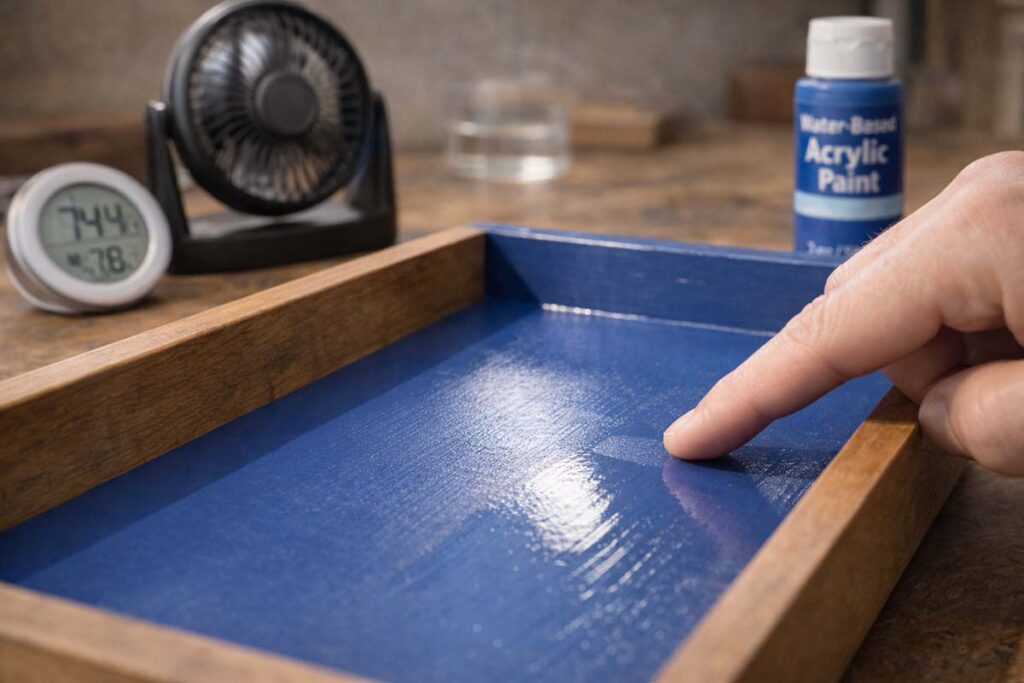
Tacky paint that never seems to firm up: Thick coats + humidity + closed shop air keeps water trapped. Reduce coat thickness, increase airflow, and seal only after cure. Start with the tacky-paint guide linked above.
Clear coat fish-eyes or clouds: That’s surface contamination or moisture entrapment. Use the cloudy-coat fixes and re-check compatibility.
Safety notes (water-based doesn’t mean “harmless”)
Water-based acrylics generally have lower odor than solvent finishes, but you still treat them like coatings, not hand lotion.
- Ventilation: move air across the work and out of the room when possible.
- Skin and eye contact: avoid it; rinse promptly if it happens.
- Dust control: sanding cured paint makes fine particulate—wear a proper dust mask/respirator and capture dust at the source.
- Allergy concerns: “latex” on a paint label does not mean natural rubber latex protein; allergy authorities note latex paints don’t contain that protein.
- Follow the SDS: even craft acrylic SDS documents include handling and regulatory notes and remind you the product is a coating system, not a toy.
Bottom line
Acrylic craft paint is water-based in normal shop terms: water carries the pigment and acrylic binder, cleanup is soap-and-water, and the film forms as water evaporates. People mention “latex” because latex paints are also water-based and often acrylic-binder coatings—plus “latex” can also describe the emulsion chemistry. For wood trays, the win comes from prep, thin coats, real cure time, and a compatible clear coat when the piece will be handled or wiped.