
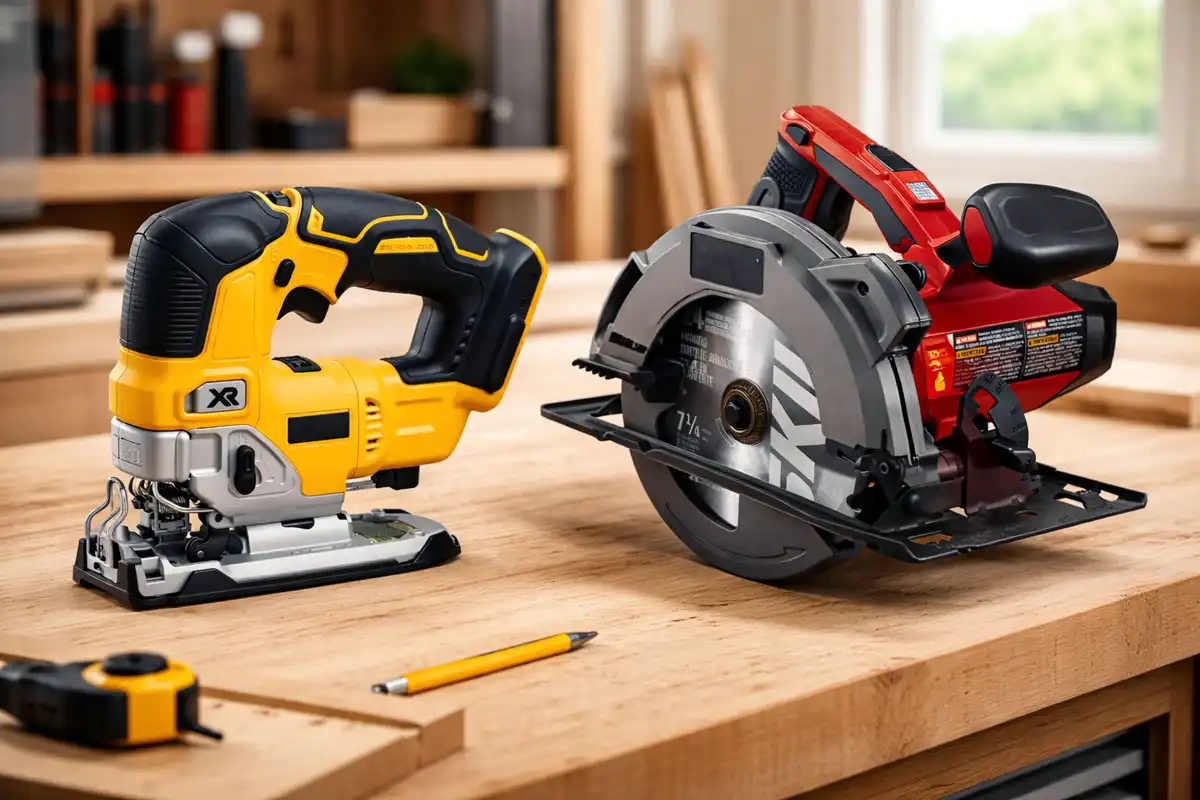
Jigsaw vs Circular Saw? Choose a jigsaw when your DIY wood project needs curves, cutouts, or delicate trim work. Choose a circular saw when your project needs fast, straight cuts through boards and sheet goods. Both tools cut wood, but they solve different problems. A jigsaw follows a layout line with a thin blade that moves up and down. A circular saw drives a round blade through the work in a straight path. This guide breaks down accuracy, speed, finish quality, cost, and safety so you pick the right saw for each cut.
If you mostly cut straight lines for shelves, cabinets, or ripping down plywood, the circular saw gives faster, straighter results. If you cut curves, notches, outlet holes, or sink cutouts, the jigsaw handles those shapes with less setup. Many DIYers start with a circular saw and add a jigsaw for curves and openings.
Jigsaw vs Circular Saw: What’s the real difference?
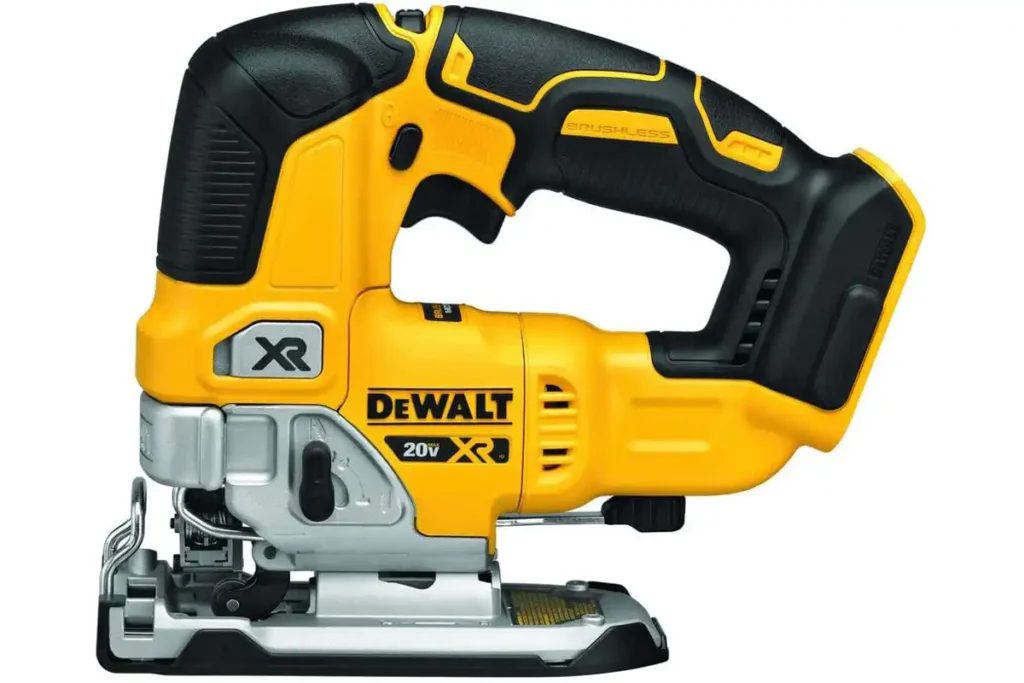
A jigsaw cuts with a narrow blade that moves up and down. The thin blade turns easily, so it follows curves and tight radiuses. It also starts cuts inside a panel after you drill a starter hole.
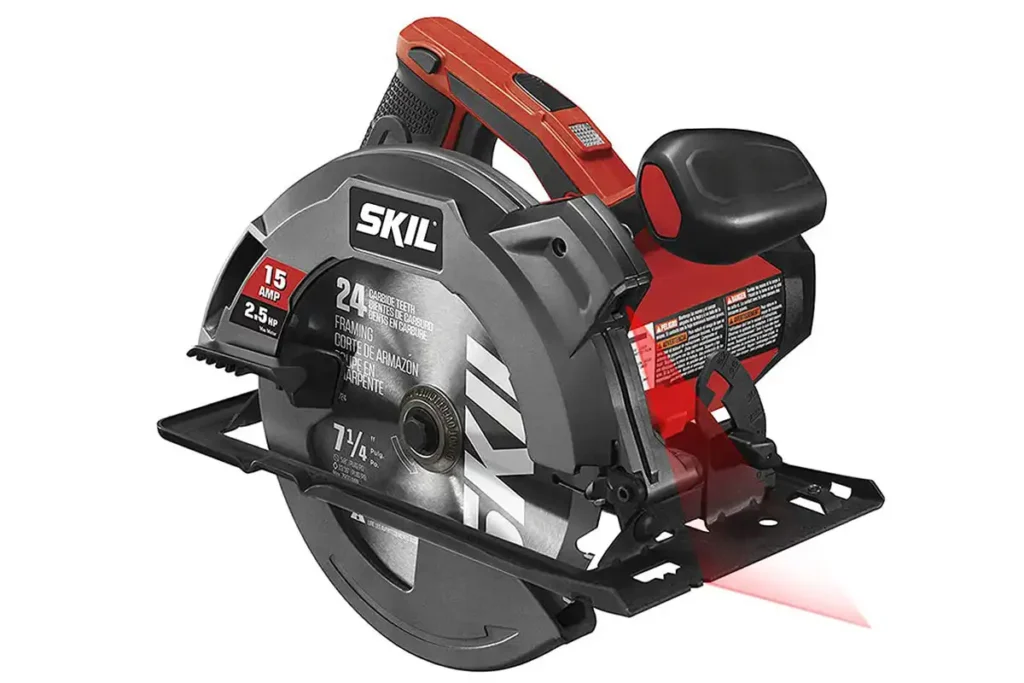
A circular saw cuts with a spinning round blade. The base plate rides on the work, so the saw tracks straight when you guide it well. It breaks down sheet goods and trims boards fast.
If you’re building your first DIY kit, this guide to woodworking tools for beginners to helps you choose the essentials before deciding between a jigsaw and a circular saw.
When each tool is the better choice
Pick the tool based on the cut, not the project name.
A jigsaw fits work that needs curves, inside cutouts, or short finish cuts where the offcut drops free.
A circular saw fits work that needs long straight cuts, repeatable widths, and clean edges on plywood or solid lumber.
At-a-glance comparison
| Task | Jigsaw | Circular saw |
|---|---|---|
| Long straight cuts | Works, but drift appears | Fits the job with a guide |
| Curves and profiles | Primary strength | Not a good fit |
| Interior cutouts | Cuts from a starter hole | Starts only from an edge |
| Breaking down plywood | Slow, harder to keep square | Fast, accurate with support |
| Tight spaces | Fits small benches | Needs room for sheet support |
Where each saw shines in a DIY shop
A circular saw earns its keep on sheet goods. It turns full panels into manageable parts before you move to joinery and sanding. When you plan cabinet parts, it helps to know standard panel sizes and thicknesses. Use this overview of common plywood sheet sizes to plan your cut list without surprises.
A jigsaw earns its keep on openings and details. It cuts sink cutouts, toe-kicks, curve profiles, and notches around trim. It also trims small parts when a circular saw feels bulky.
If you work from plywood often, match the saw to the material. This guide to choosing plywood thickness helps you avoid underbuilding shelves and overworking blades.
How the cuts compare: accuracy, speed, and edge quality
Straight cuts
A circular saw produces straighter cuts because the base plate supports the saw in one plane. A straightedge guide turns it into a dependable panel saw.
A jigsaw cuts straight only when the blade stays rigid and the shoe stays flat. The blade flexes under load, so long straight cuts drift more often.
Curves and openings
A jigsaw handles curves because the blade turns inside the kerf. The saw also starts an interior cut through a drilled hole.
A circular saw struggles with curves. It handles openings only by making a series of straight relief cuts and finishing with another tool.
Tear-out on plywood
Both saws tear veneer when teeth lift fibers at the exit side of the cut.
A circular saw reduces tear-out with a fine-tooth blade and a cut line that keeps the good face supported. A zero-clearance edge on a guide also helps.
A jigsaw reduces tear-out with the right blade direction. A down-cut or reverse-tooth blade leaves a cleaner top face on many plywood panels. The tradeoff is slower cutting and more heat.
Edge squareness
A circular saw stays closer to square because the blade is supported between the arbor and the cut.
A jigsaw edge leans when the blade twists. Thick stock and fast feed rates make twisting worse.
Dust and noise
A circular saw throws chips and dust farther. Use a vac when you cut indoors.
A jigsaw keeps dust closer to the work, but the blade still sprays chips. Both tools benefit from eye protection.
How to choose for your next DIY wood project
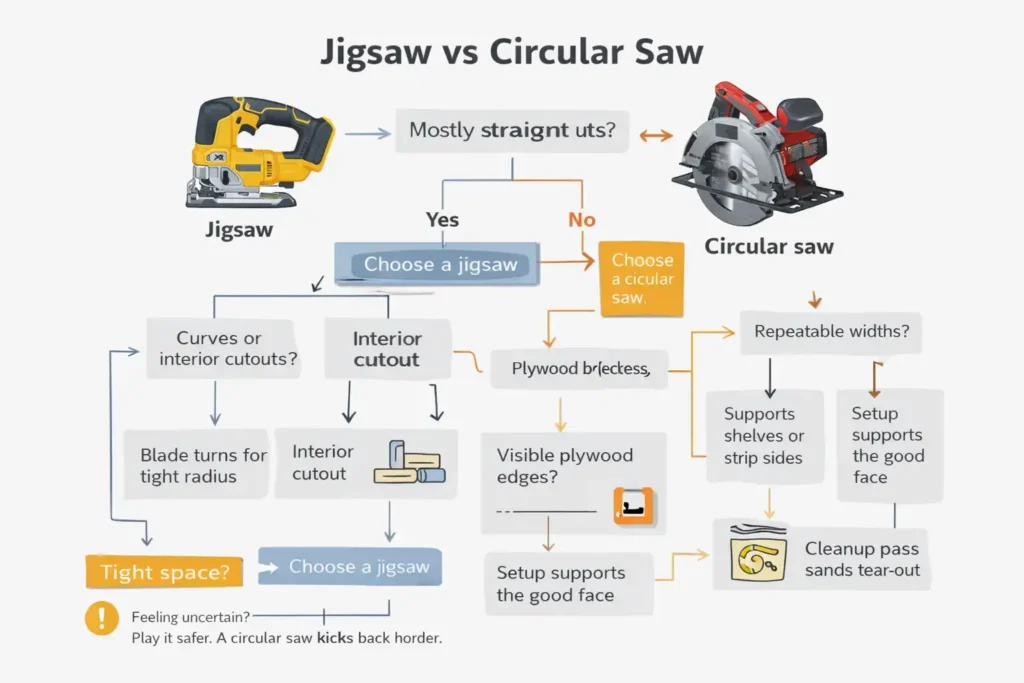
Use these questions in order. They steer you to the tool that matches the cut.
- Is the cut mostly straight and longer than your forearm?
Choose a circular saw with a guide. - Does the cut turn a corner, follow a curve, or stay inside a panel?
Choose a jigsaw. - Do you need repeatable widths for shelves or cabinet sides?
Choose a circular saw with a clamped straightedge or track-style guide. - Do you need a clean edge on thin plywood that will stay visible?
Use the saw that supports the face you care about, then plan a cleanup pass. - Do you have limited space to work?
A jigsaw fits a small bench. A circular saw needs room to support the sheet and the offcut.
Quick project examples
- Shelves, bookcases, and cabinet sides: Circular saw for breakdown and sizing. Jigsaw for notches, outlet openings, and toe-kicks.
- Countertop sink cutout: Drill starter holes, then use a jigsaw to follow the line.
- Trimming a door or a long board: Circular saw with a guide.
- Rounded tray handles or decorative curves: Jigsaw for the profile, then sand to the line.
What to look for if you’re buying one saw
A first saw earns value when it tracks straight, feels stable, and accepts common blades.
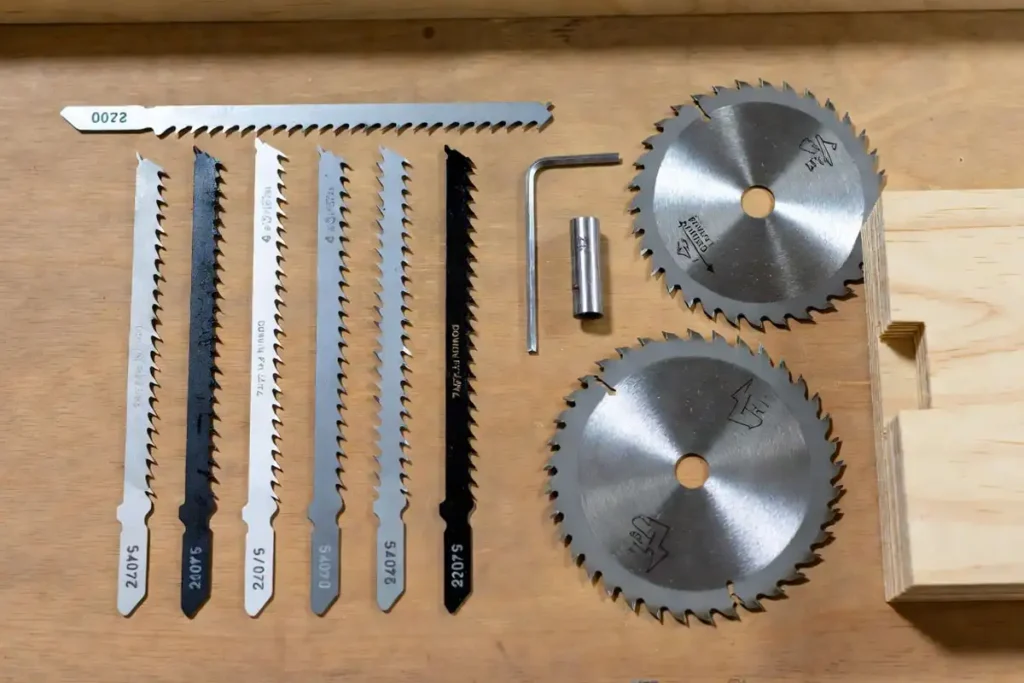
Buying a circular saw
- Solid base plate: A flat, stiff shoe helps the saw track without rocking.
- Easy depth and bevel settings: Clear scales and firm locks keep settings from slipping mid-cut.
- Comfortable handle and trigger: A steady grip reduces wandering at the start of the cut.
- Dust control option: A port that accepts a shop vac keeps indoor cuts cleaner.
Buying a jigsaw
- Tool-less blade change: Fast blade swaps help when you switch between plywood and solid wood.
- Orbital action control: A lower setting keeps plywood cuts cleaner. A higher setting speeds rough cuts.
- Stable shoe with a square edge: A square shoe helps when you use a fence for short straight cuts.
- Good visibility at the blade: A blower, light, or clear guard makes it easier to follow a line.
If you already own a drill, a circular saw and a jigsaw pair well for most home projects. The circular saw handles sizing. The jigsaw handles openings and curves.
How to get clean results with a circular saw
A circular saw rewards setup. Most rough cuts come from support and guiding, not from the motor.
- Support the work and the offcut: Place the panel on rigid foam insulation or on spaced sawhorses with sacrificial strips. The cut stays open and the blade avoids pinching.
- Set blade depth shallow: Let the teeth clear the bottom face without hanging far below the work. A shallow depth reduces splintering and kickback risk.
- Use a guide you trust: Clamp a straightedge. Keep the saw’s base tight to the guide for the full cut.
- Start steady, then feed at a constant pace: A smooth feed keeps the blade tracking straight and keeps the edge cleaner.
- Plan the “good face” and the “waste face”: Place the better face where the blade exits with support. When you finish a visible edge, add painter’s tape and score the line with a sharp knife.
If you need store-cut panels for a cramped workspace, this guide on getting plywood cut to size helps you decide when to pay for the first breakdown.
How to get clean results with a jigsaw
A jigsaw gives clean work when you let the blade do the work and keep the shoe flat.
- Choose the blade for the job: Use a coarse blade for fast rough cuts in thick stock. Use a fine blade for plywood and visible edges. Use a down-cut style when the top face needs the cleanest edge.
- Support the work close to the cut: Clamp the piece so the waste falls free without tearing fibers at the end.
- Drill a starter hole for interior cutouts: Use a bit that leaves a hole large enough for the blade to enter without forcing.
- Keep the shoe flat and your hands relaxed: A tilted shoe forces the blade to wander and leaves a beveled edge.
- Cut outside the line, then sand to final shape: A jigsaw cut improves fast with light sanding. This method for sanding end grain smooth helps when the cut edge stays visible.
Solutions: simple setups that upgrade both saws
A few shop setups raise cut quality more than a tool upgrade.
- Straightedge system: Mark your saw’s offset once, then reuse a clamped guide for repeatable cuts.
- Sacrificial surface: Foam insulation supports sheet goods and prevents blade pinch.
- Painter’s tape and a knife line: Tape reduces surface chipping and a scored line guides the first teeth.
- Cut order: Break down big sheets first, then cut final dimensions from smaller parts.
Troubleshooting common problems
The circular saw stalls or leaves burn marks
A dull blade raises heat and slows the cut. A blade meant for framing also chews plywood.
Swap to a sharp blade that matches the material. Reduce feed pressure and keep the base tight to the guide.
The circular saw binds or kicks back
Pinched kerfs bind blades. Poor support closes the cut as the offcut drops.
Support both sides of the cut. Stand slightly to the side of the saw’s path.
The jigsaw cut wanders off the line
Blade flex causes drift, especially in thick wood. Pushing too hard makes it worse.
Use a sharper, stiffer blade and slow the feed. Guide the saw from the shoe, not from the handle twist.
The jigsaw leaves a beveled edge
A tilted shoe angles the blade. A thin blade also twists in thick stock.
Keep the shoe flat, and choose a blade built for straight cutting. Cut proud of the line and sand to square.
Plywood veneer chips along the cut
Tear-out happens where teeth lift fibers.
Tape the cut line, score it with a knife, and support the face that chips. On a jigsaw, switch blade direction to protect the visible face.
Mistakes DIYers make with both saws
- Measuring to the wrong side of the kerf. Mark the waste side and keep the blade on that side.
- Cutting without clamping. Moving work ruins accuracy and raises injury risk.
- Skipping a test cut. A quick scrap cut confirms blade choice and guide offset.
- Forcing the tool through the cut. A steady feed keeps blades straight and edges cleaner.
- Finishing straight off the saw. Many parts need a light sand or a plane pass for a clean feel.
Safety notes that matter for DIY work
A jigsaw feels gentle, but it still cuts fast. A circular saw feels familiar, but kickback injures hands fast.
- Wear eye and hearing protection. Add a dust mask when cutting sheet goods.
- Keep cords and hoses behind you. Route them away from the cut line.
- Clamp the work and keep hands away from the blade path.
- Let guards work. Check that the circular saw’s lower guard returns smoothly.
- Unplug or remove the battery before blade changes.
If you are setting up a small home shop, this checklist of basic safety gear covers protection that pays off across projects.
Conclusion: which is better?
A circular saw is the better first buy for most DIY wood projects because it sizes lumber and breaks down sheet goods fast and straight. A jigsaw becomes the better choice for curves, interior cutouts, and detail work that a circular saw does not reach. Many projects run smoother when both tools share the workload: the circular saw handles straight sizing, and the jigsaw handles openings and shapes.