
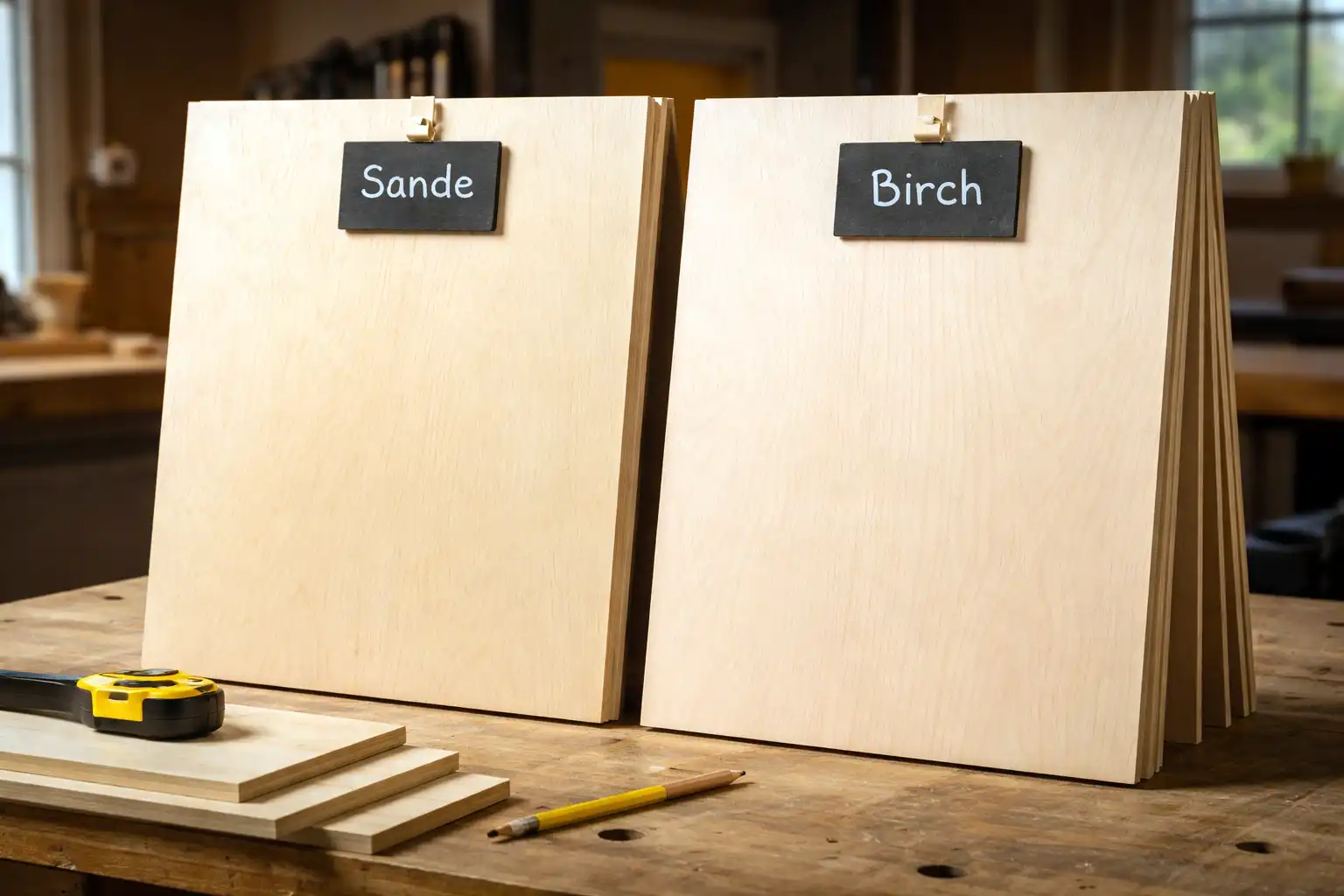
Sande plywood vs birch comes down to what you need the sheet to do. Sande usually gives you a smooth, light-colored face veneer at a lower cost, while birch plywood more often brings stiffer panels, cleaner edges, and more consistent cores. In this guide, I break down strength, edges, finishing, moisture behavior, and cabinet use, then walk you through a quick in-store check so you buy with confidence and build without surprises.
What is sande plywood?
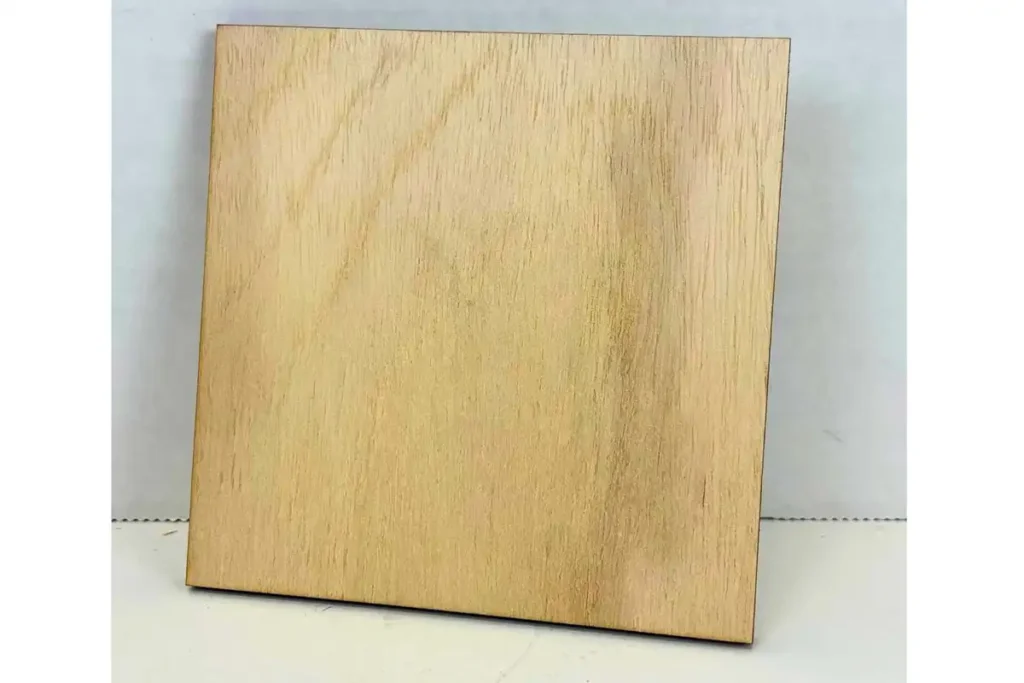
Sande plywood is hardwood plywood that uses sande (often Brosimum utile) as the face veneer, and it typically comes from tropical sources in Central and South America.
Woodworkers use it when they want a pale, even grain that paints well and stays smooth on utility cabinets, built-ins, and shop furniture.
What is birch plywood?
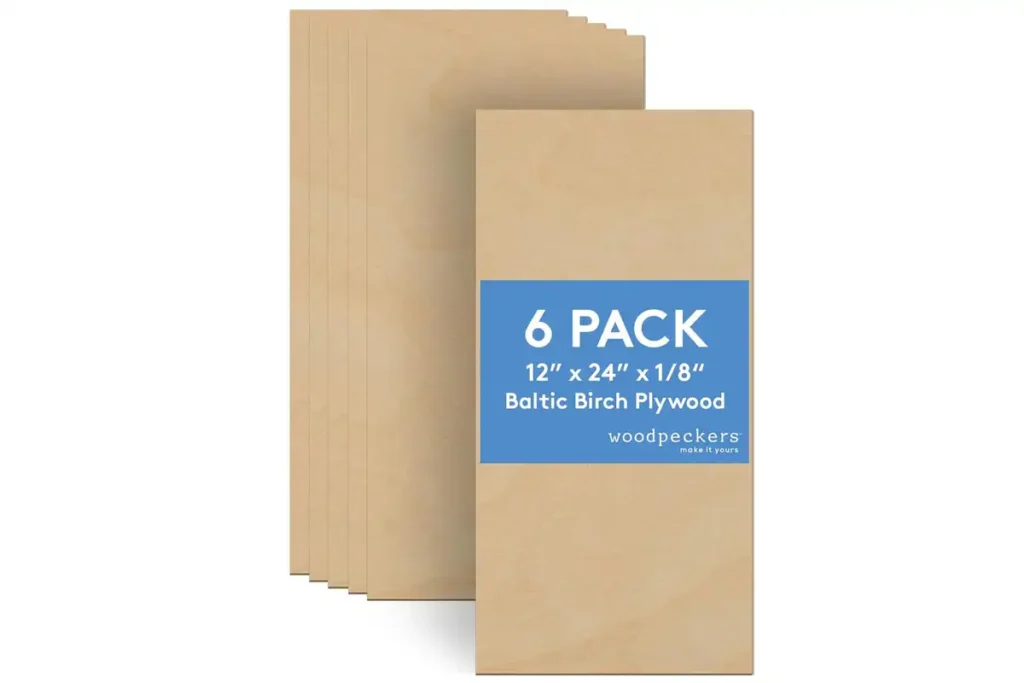
Birch plywood is a hardwood plywood panel built with birch veneer faces and a layered core, giving it a smooth surface and strong, consistent edges for cabinets, drawers, and jigs. Woodworkers choose it for cabinets, drawers, jigs, and furniture parts because it stays predictable after cutting. Birch plywood example:
Sande plywood vs birch: the differences that matter in the shop
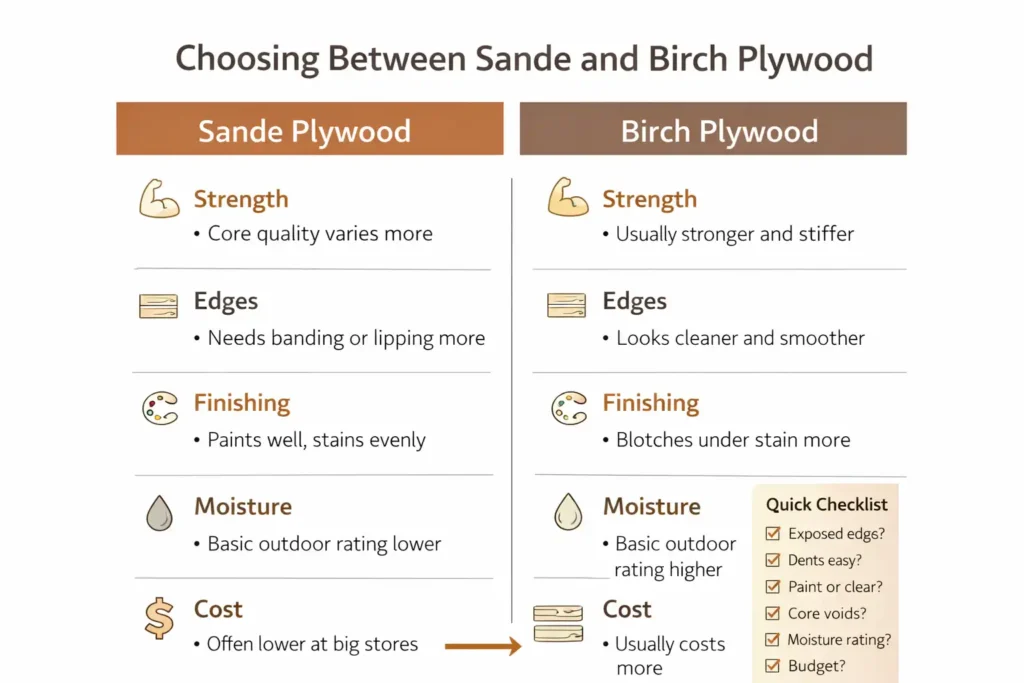
Here is the fast version. I still recommend reading the sections below, because grade and mill quality change the outcome.
| What you care about | Sande plywood | Birch plywood |
|---|---|---|
| Smooth painted face | Often excellent | Excellent |
| Stiff shelves and long spans | Depends on core quality | Usually stronger and flatter |
| Exposed edges | Needs banding or lipping more often | Usually cleaner-looking plies |
| Staining and clear coats | Light color, usually even | Can blotch without a washcoat |
| Price in big-box stores | Often lower | Often higher |
Face veneer and appearance
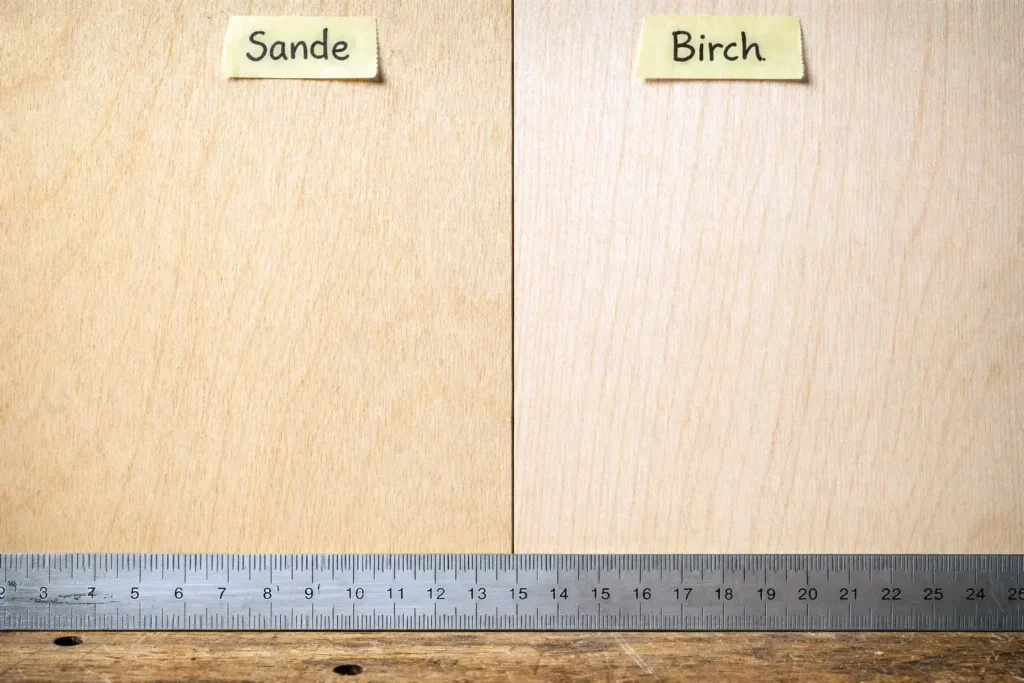
Sande faces tend to look creamy and uniform, with a subtle grain that hides patches under paint. Birch faces often show more grain contrast, which can look better under clear finishes when the veneer is clean.
Core quality and flatness
Birch plywood is more likely to use a tighter, more consistent core, which helps panels stay flatter and resist sag on longer shelves. Sande plywood quality ranges wider by grade and mill, so I check edges for voids and soft spots before I commit.
Screw holding and dent resistance
Birch usually dents less and grips screws more reliably, especially near edges, because it tends to have a denser feel and fewer weak pockets. Sande can still build strong boxes, but it rewards clean pilot holes and wider bearing surfaces under screw heads.
Price and availability
Sande often costs less when you want a smooth face for paint-grade work. Birch and Baltic birch can cost more, but you usually pay for a more predictable panel and better exposed edges.
Is sande plywood good for cabinets?
Sande plywood works well for paint-grade cabinet boxes and utility built-ins when the sheets are flat and the core is sound. I avoid it for frameless cabinets with exposed edges unless I plan to cover every visible edge.
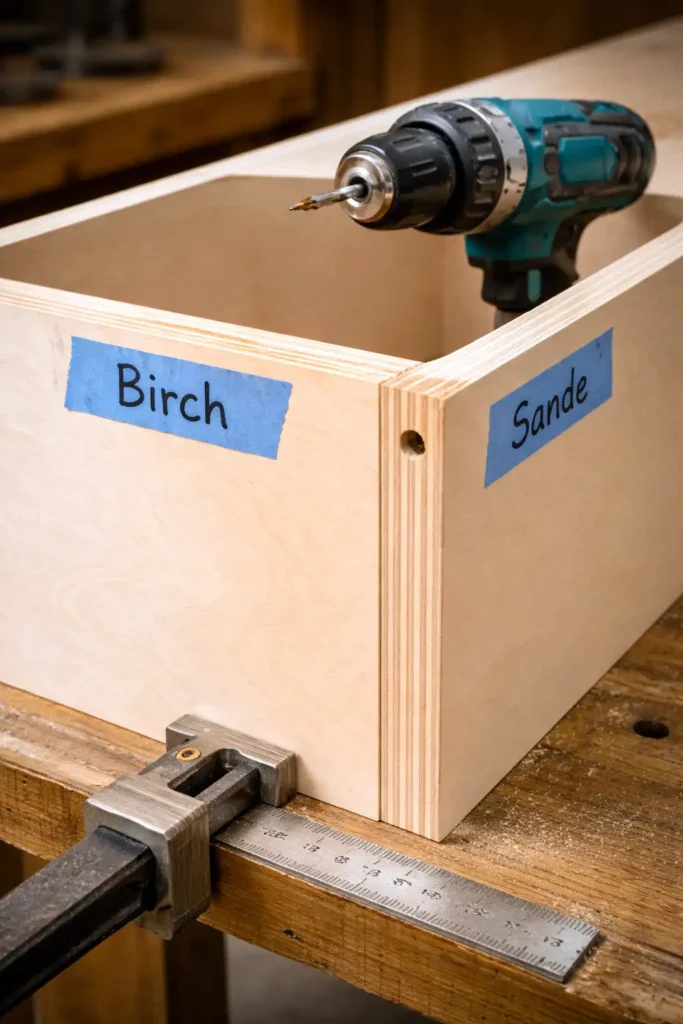
If you want more background on how stores label panel quality, see my guide on how cabinet-grade plywood is graded and my breakdown of which plywood types fit cabinet work.
Is birch plywood stronger than sande plywood?
Birch plywood is usually the stronger, stiffer pick for shelves and cabinet parts when you compare similar thickness and grade. A more consistent core reduces weak spots that can crush under screws.
For thickness choices, my plywood thickness guide for projects helps you match the sheet to the span and load.
Which plywood works better with exposed edges?
Birch plywood usually wins when you plan to show the edge, because the plies stack more evenly and voids show up less. Sande edges can look fine, but soft pockets show up faster once you round over or sand the edge.
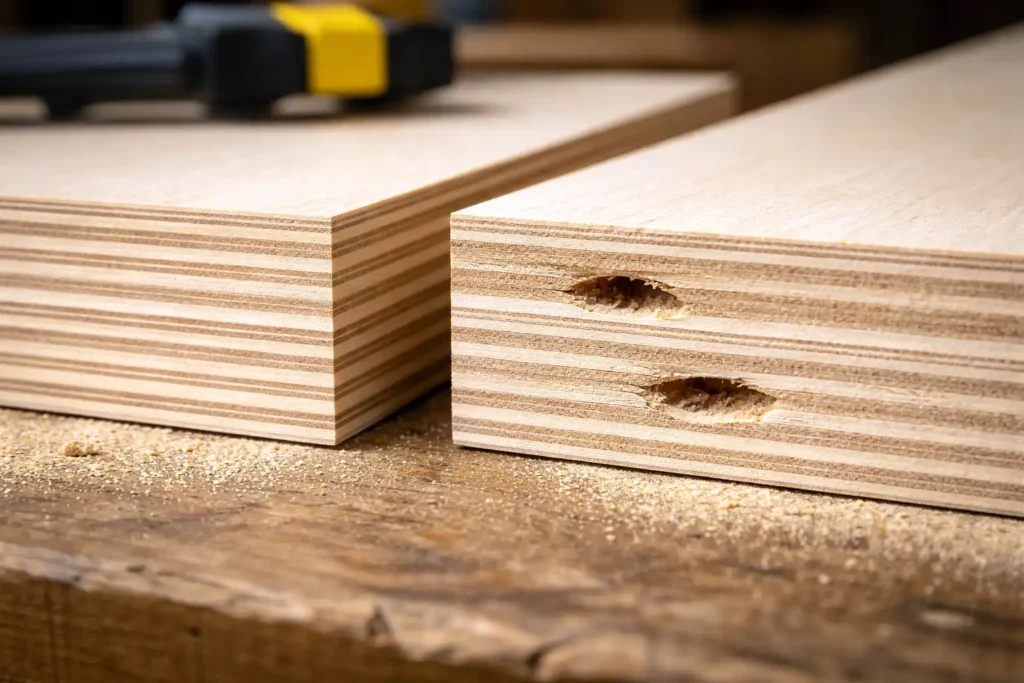
If you are building shelves, this ties closely to thickness. My guide to common plywood sheet sizes and what thickness works for cabinet parts can save you a second trip.
Edge treatment options that look clean and stay durable
You have three reliable ways to handle exposed plywood edges.
- Iron-on edge banding: Works fast on straight edges. Trim with a sharp chisel or a banding trimmer, then sand lightly.
- Hardwood lipping: Glue a solid wood strip to the edge, flush-trim it, then route your profile. This takes impacts better than thin banding.
- Paint build: Works for paint-grade cabinets. Fill gaps, prime, sand flat, then apply two finish coats.
Cutting and machining tips that reduce tearout
- Support the sheet close to the cut so the veneer does not flex and splinter.
- Use a sharp plywood blade, then use a shallow scoring pass when the face veneer chips.
- Tape the cut line on the show face, then cut with the good face down on a circular saw and up on a table saw.
- Sand lightly with a flat block, then stop as soon as the scratches blend. Thin face veneers sand through fast.
Wear eye protection, and use a respirator or dust mask when you cut or sand plywood. Plywood dust and cured finish dust irritate lungs.
Finishing: paint, stain, and clear coats
Sande takes paint well because its grain stays subtle, so heavy grain filler is often optional on paint-grade work. Birch can blotch under stain, so I test on offcuts and use a conditioner or washcoat when the finish looks uneven.
If staining birch is your goal, my notes on staining Baltic birch without blotches and how to stain birch plywood cleanly will help you dial in a repeatable process.
Moisture and stability
Neither sande nor birch plywood is waterproof by default. For damp areas, buy panels labeled for exterior or exposure-rated glue, seal all edges, and keep cabinet toe-kicks off wet floors. For outdoor projects, switch to true exterior plywood or a marine-rated panel and build in drainage.
What label helps reduce formaldehyde concerns?
Look for panels labeled as TSCA Title VI compliant or CARB Phase 2 compliant, since both refer to formaldehyde emission standards for composite wood products.
Some manufacturers also label panels as NAUF or ULEF for lower-emission adhesives.
Buying checklist: How I pick a good sheet in the store
- Sight down the length and width for twist, bow, and ripple.
- Check both faces for patches, open knots, and sand-through spots.
- Look at the edge for gaps and voids, especially near corners.
- Press a fingernail into the core at the edge. A soft core crushes under screws.
- Choose the straightest sheet from the same stack, then keep it flat during transport.

FAQs about Sande Plywood Vs Birch
Final choice
Choose birch plywood when you want consistent cores, crisp machining, tougher faces, and clean-looking edges. Choose sande plywood when you want a smooth, light-toned face for paint or clear coat and you are willing to sort the stack for core quality. When the project lives or dies by exposed edges and joinery precision, shift toward birch throughout panels. When the project needs flat panels and a clean face at a different cost tier, a well-picked sande sheet earns its spot.