How to Clean Up Polyurethane Glue: 7 Fast Fixes for Any Surface
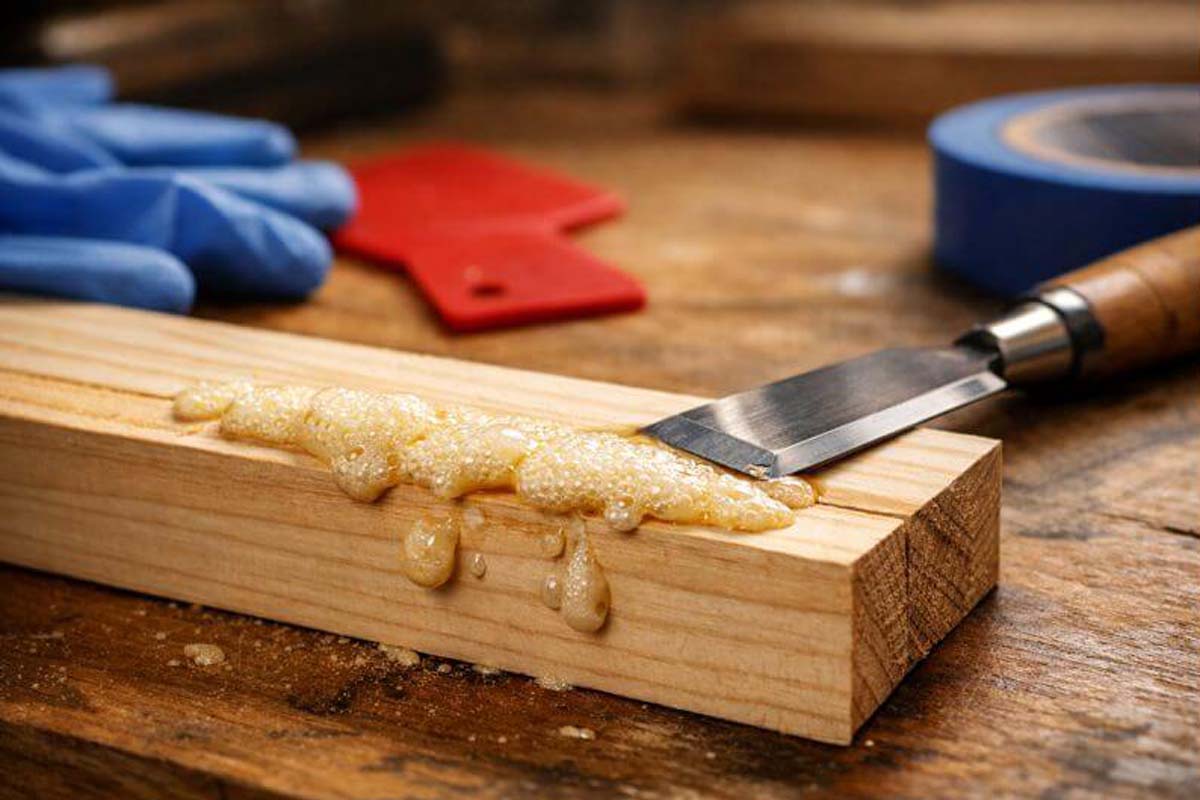
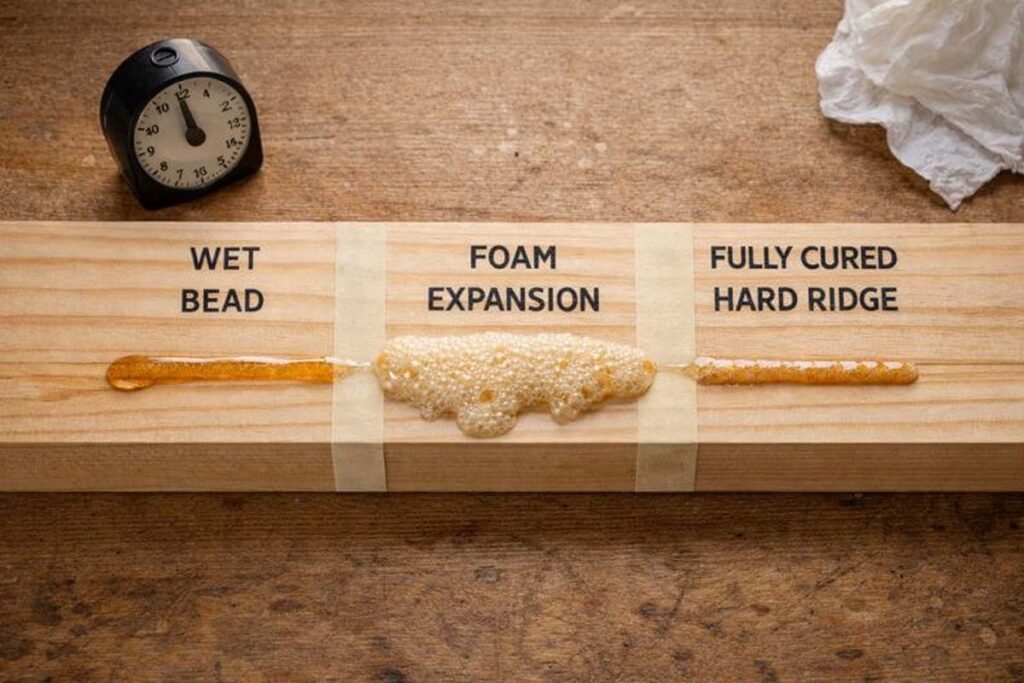
To clean up polyurethane glue, you need to act based on cure stage (wet, rubbery, or fully cured) and surface type (raw wood, finished wood, metal tools, skin, fabric). Polyurethane glue starts as a syrup, then foams as it cures, and once it hardens, scraping and sanding do the real work.
Contents Here
- 1 What makes polyurethane glue so messy?
- 2 What do you need to clean polyurethane glue safely?
- 3 How do you clean polyurethane glue while it’s still wet?
- 4 How do you remove cured polyurethane glue from wood without gouging it?
- 5 How do you clean polyurethane glue off your hands and skin?
- 6 How do you remove polyurethane glue from tools and clamps?
- 7 How do you clean polyurethane glue off tile, stone, laminate, and concrete?
- 8 How do you get polyurethane glue out of clothes?
- 9 What’s the fastest way to clean squeeze-out in a glue-up?
- 10 What mistakes make polyurethane glue cleanup harder?
- 11 How do you prevent polyurethane glue mess in the first place?
- 12 FAQs about To Clean Up Polyurethane Glue
- 13 Final thoughts
What makes polyurethane glue so messy?
Polyurethane glue expands into foam as it cures, so a small squeeze-out can turn into a bigger crust around a joint. That foam also sticks to pores and texture, which is why it clings hard to raw wood grain, concrete, and clothing fibers.
Learn more: What Is Polyurethane Glue? 7 Powerful Uses Woodworkers Trust
What do you need to clean polyurethane glue safely?
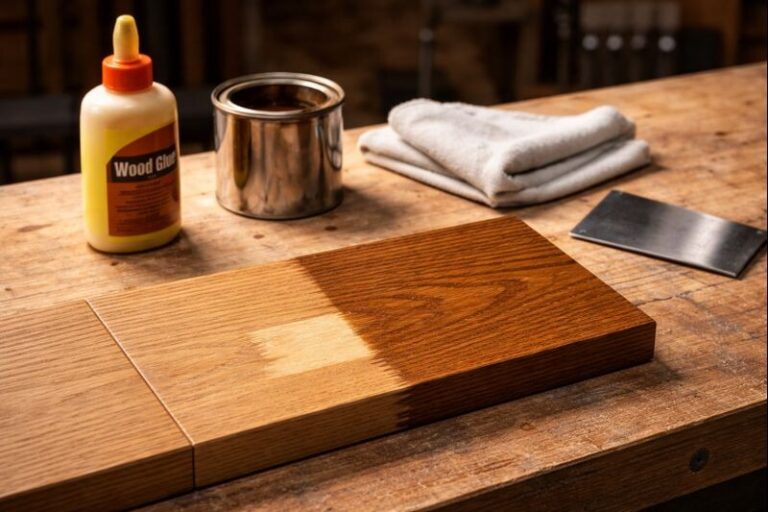
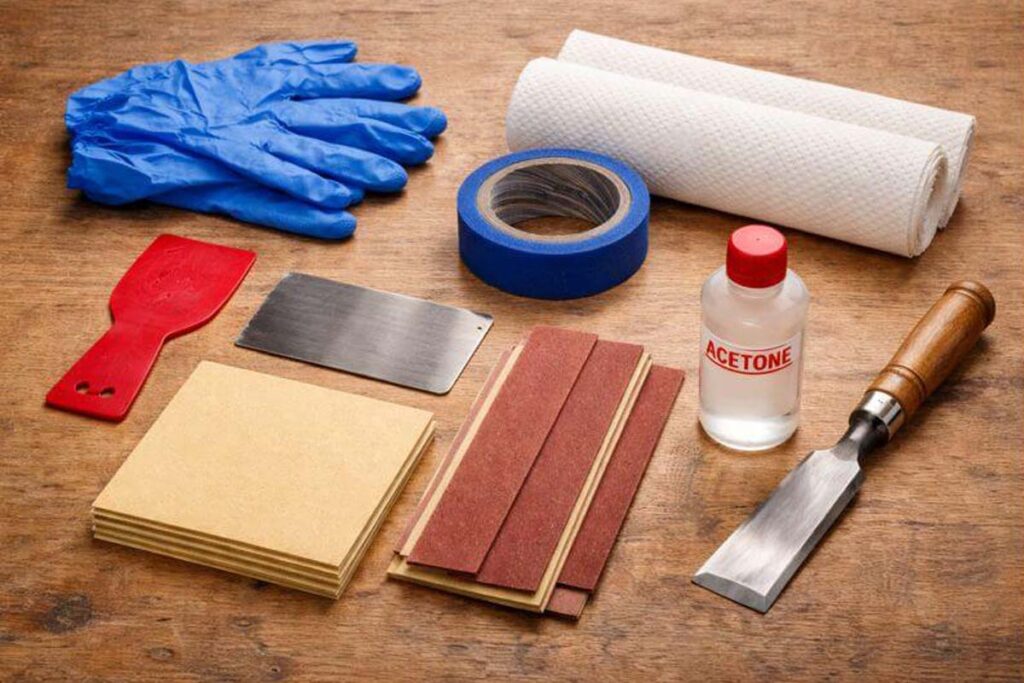
You clean polyurethane glue best with a small kit that separates solvent work (wet glue) from mechanical work (cured glue).
For wet glue
- Nitrile gloves
- Paper towels or clean rags
- Acetone (or the manufacturer-recommended solvent) on a rag only
- A plastic putty knife or old card
For cured glue
- Sharp chisel (bench chisel works)
- Card scraper or cabinet scraper
- Utility knife (carefully)
- Sandpaper (start moderate, then finer)
- Painter’s tape (to protect nearby surfaces)
Safety basics
- Wear gloves and run a fan or open a door/window when using solvents.
- Keep acetone away from flames, pilot lights, and sparks.
- Do not use strong solvents on skin; irritation happens fast.
How do you clean polyurethane glue while it’s still wet?
You clean wet polyurethane glue by lifting it off first and wiping second, so you don’t smear it into the grain.
Step-by-step (wet glue on most surfaces)
- Lift the bulk off. Use a plastic putty knife or an old card and scoop the glue away from the surface.
- Blot, don’t rub. Press a dry paper towel to pick up residue.
- Use solvent sparingly. Dampen (don’t soak) a rag with acetone and wipe the glue line only.
- Stop as soon as it’s clean. Extra solvent spreads glue and can soften some finishes.
If the glue has started to foam, you often get a cleaner result by letting it firm up to a rubbery stage (not hard), then slicing it off cleanly.
How do you remove cured polyurethane glue from wood without gouging it?
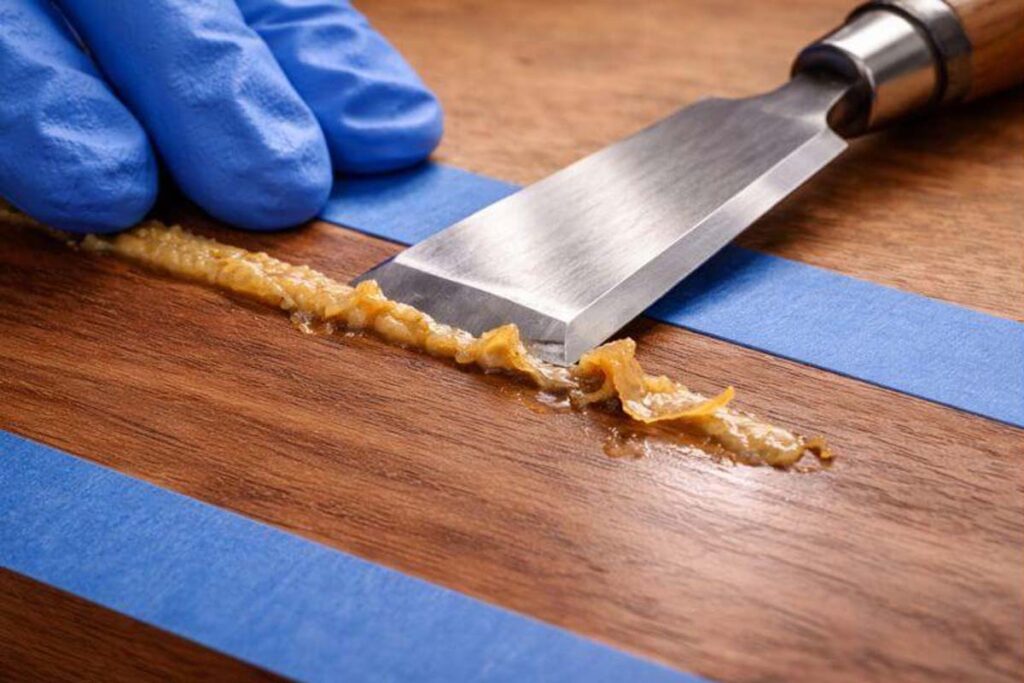
You remove cured polyurethane glue from wood by paring it flush and sanding lightly, because cured polyurethane behaves like hard plastic.
On raw wood
- Chisel it flush. Set a sharp chisel bevel-up and take thin shavings. Keep the back of the chisel riding the wood.
- Switch to a scraper. A card scraper levels the last haze without digging trenches.
- Sand only what you must. Feather the area so you don’t dish the surface.
If you want a sanding sequence that avoids shiny patches and dips, use the same “light-to-lighter” approach from my guide on sanding end grain to a smooth finish.
On stained or finished wood
- Test in a hidden spot first. Many finishes hate acetone.
- Use a plastic scraper first. Plastic lowers the risk of cutting through a topcoat.
- Spot-level carefully. If you cut the finish, you’ll need a touch-up coat—especially on darker woods. (This is where the finish schedule matters; see how to finish walnut wood for a good example of blending coats.)
Shop tip: Painter’s tape around the glue ridge protects the surrounding finish while you pare or scrape.
How do you clean polyurethane glue off your hands and skin?
You clean polyurethane glue off skin by softening and rolling it off, because solvents dry out skin and can drive chemicals deeper.
Skin-safe method
- Wipe off excess immediately with a dry towel.
- Wash with warm soapy water and a washcloth.
- Rub with cooking oil (or a mild hand cleaner) to help the residue release.
- Use a pumice-style hand cleaner if needed, then rinse and moisturize.
If you routinely deal with sticky adhesives, it helps to keep a “cleanup station” like the one in tool maintenance for woodworking newbies—hand cleaner, gloves, a trash can, and a dedicated rag bin.
Do not: scrub raw with sandpaper, soak in acetone, or use harsh paint stripper on skin.
How do you remove polyurethane glue from tools and clamps?
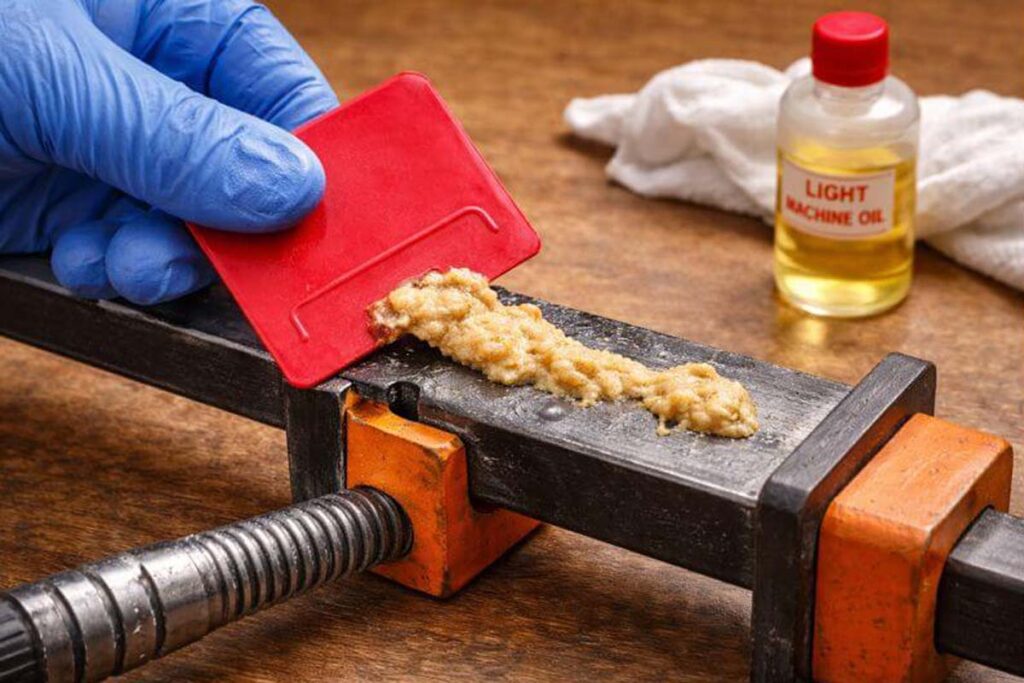
You remove polyurethane glue from tools by cleaning wet glue with solvent and popping cured glue off mechanically, then protecting metal from rust.
For metal tools/clamps
- Wet glue: wipe with a rag lightly dampened with acetone.
- Cured glue: flex it off with a plastic scraper, then use a chisel or utility knife carefully on thick blobs.
- Afterward: wipe the metal dry and add a thin coat of light oil to prevent corrosion.
For ongoing clamp and hand-tool care, this routine pairs well with basic tool maintenance habits.
How do you clean polyurethane glue off tile, stone, laminate, and concrete?
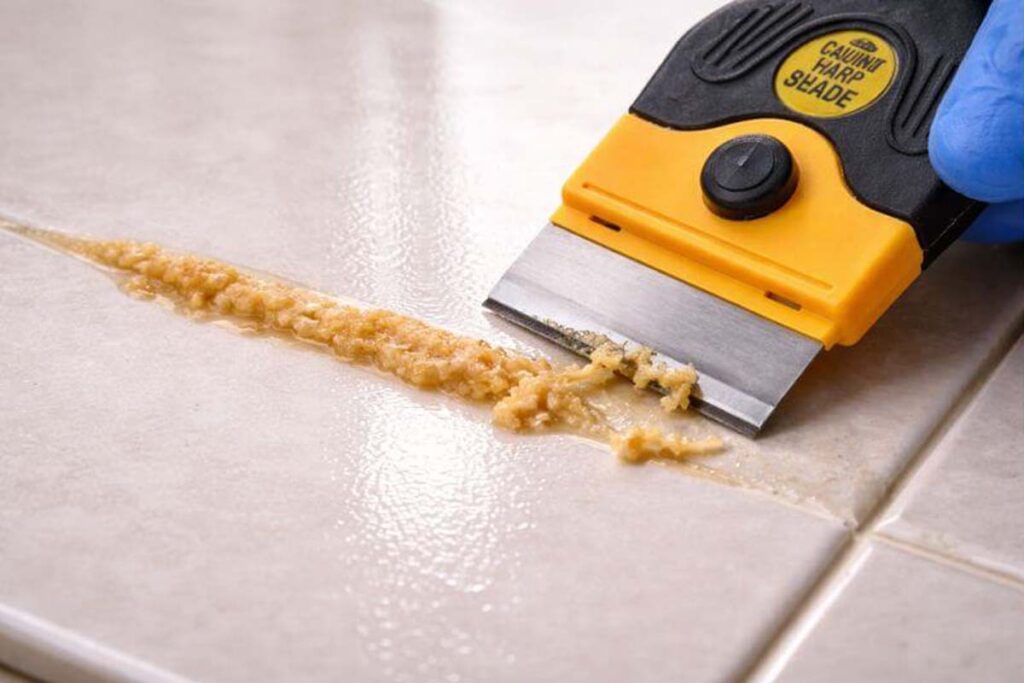
You clean polyurethane glue off hard surfaces by letting it cure fully and shearing it off, because solvents often smear the softened glue into texture.
Hard, non-wood surfaces
- Let it harden. Fully cured glue usually releases cleaner.
- Use a plastic razor scraper (or plastic putty knife) first.
- Use a sharp metal blade only if the surface tolerates it. Keep the blade flat to avoid scratches.
- Finish with mild cleaner. Avoid soaking porous stone with solvent.
On textured concrete, the foam can lodge in pits. Mechanical scraping plus a stiff nylon brush usually works better than chemicals.
How do you get polyurethane glue out of clothes?
You handle polyurethane glue on fabric by blotting immediately and accepting that cured glue often becomes permanent in the fibers.
If it’s still wet
- Blot from the back side if possible so you push glue out, not deeper in.
- Do not rub. Rubbing spreads glue through the weave.
- Spot-test acetone on an inside seam (acetone can melt some synthetics and ruin dyes).
- Dab lightly, then launder per garment instructions.
If it’s cured
- You can sometimes crack and pick off chunks, but a stain shadow usually remains.
- For work clothes, treat it like a badge and move on. For anything nice, a pro cleaner is your best shot.
What’s the fastest way to clean squeeze-out in a glue-up?
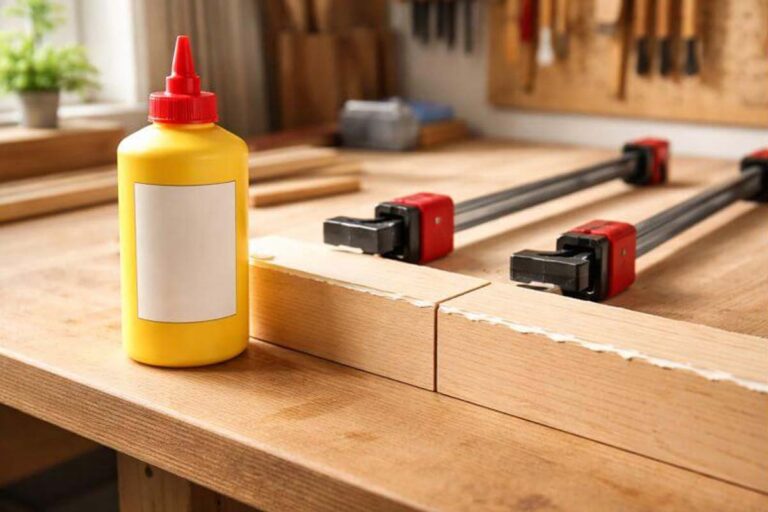
You manage polyurethane squeeze-out fastest by controlling the foam and timing your removal.
My go-to squeeze-out routine
- Before clamping: apply painter’s tape along the joint line (especially on visible faces).
- During clamp-up: watch for foam expansion for the first few minutes.
- At the rubbery stage: slice the bead off in one pass with a sharp chisel or knife.
- After cure: scrape and sand as needed.
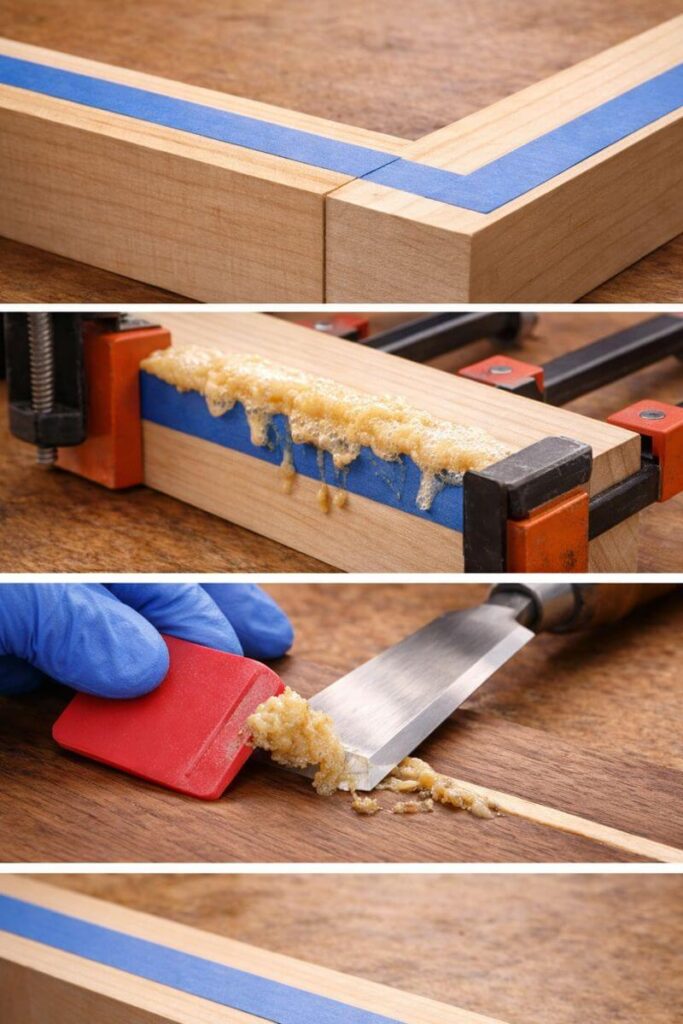
If you’re comparing adhesives for a job and want less mess, it helps to understand where polyurethane fits versus other glues—like the breakdown in wood glue vs epoxy.
What mistakes make polyurethane glue cleanup harder?
Polyurethane glue cleanup goes sideways when you spread it, over-sand it, or attack the wrong surface with the wrong solvent.
- Rubbing wet glue into raw grain drives it deep and creates dark blotches under finish.
- Flooding with acetone makes a wider sticky zone and can soften finishes.
- Starting with coarse sandpaper dishes the wood around the glue and leaves a low spot.
- Scraping with a dull chisel tears fibers and forces heavier sanding later.
How do you prevent polyurethane glue mess in the first place?
You prevent polyurethane glue mess by using less glue, masking smart, and planning cleanup before you clamp.
- Apply a thin bead, not a ribbon. Polyurethane expands; it doesn’t need much.
- Use painter’s tape on show faces and pull it after the glue firms up.
- Keep rags and a scraper within reach before you open the bottle.
- Wear nitrile gloves and swap them when they get sticky.
FAQs about To Clean Up Polyurethane Glue

Does vinegar remove polyurethane glue?
Vinegar does not reliably remove polyurethane glue once it starts curing, because cured polyurethane behaves like plastic. A scraper, chisel, and sanding handle cured glue more predictably.
Can I use mineral spirits instead of acetone?
Mineral spirits usually works poorly on polyurethane glue compared to acetone when the glue is wet. Mechanical removal remains the main option after cure.
Will polyurethane glue ruin a food-safe finish?
Polyurethane glue can leave ridges and shiny spots that show through a finish, but it doesn’t automatically ruin a project. If the surface is a serving tray or anything food-adjacent, confirm the finish plan with this cured-poly question and re-level the surface before topcoating.
Final thoughts
Cleaning up polyurethane glue stays simple when you separate the job into wet cleanup (lift and wipe) and cured cleanup (pare, scrape, sand). I keep a sharp chisel, a card scraper, painter’s tape, and gloves close by, and I treat solvents like a last-mile helper—not the main event. Good luck.