How Long Does Loctite Polyurethane Glue Take to Dry – 3 Timing Rules
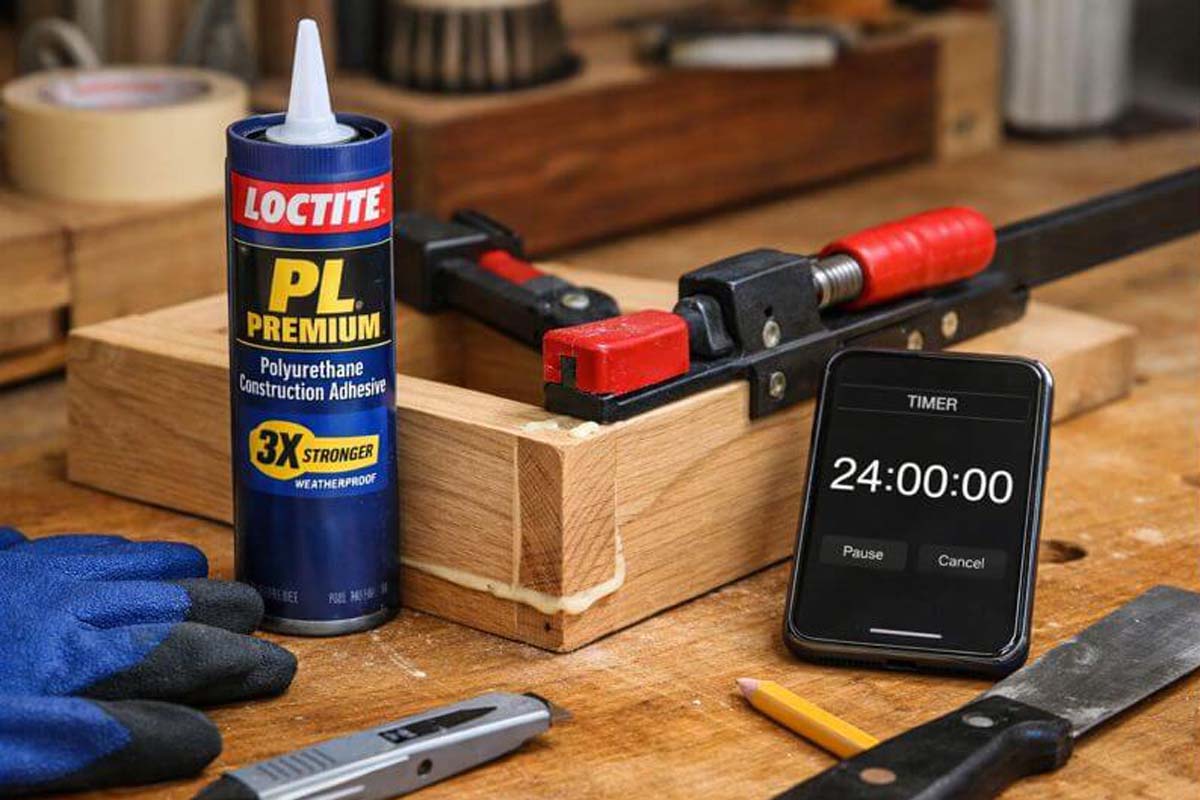
How long does Loctite polyurethane glue take to dry? It typically sets in about 20–30 minutes, needs 24 hours of clamping/support, and reaches full cure in 24–48 hours (depending on temperature and humidity).
Contents Here
- 1 Quick timeline for the most common Loctite polyurethane “glues”
- 2 What does “dry” mean for Loctite polyurethane glue?
- 3 How long can you work with Loctite polyurethane glue before it starts grabbing?
- 4 How long do you need to clamp Loctite polyurethane glue?
- 5 What changes Loctite polyurethane glue dry and cure time the most?
- 6 When can you move the project, sand, or finish after Loctite polyurethane glue?
- 7 How do you make Loctite polyurethane glue cure reliably (especially on tricky materials)?
- 8 What mistakes keep Loctite polyurethane glue from curing on schedule?
- 9 How do you clean up Loctite polyurethane glue safely?
- 10 FAQ about Loctite Polyurethane Glue Take to Dry
Quick timeline for the most common Loctite polyurethane “glues”
Loctite sells several polyurethane-based construction adhesives, so confirm the exact tube you have. Here are the published times for the two you’ll see most often in the shop:
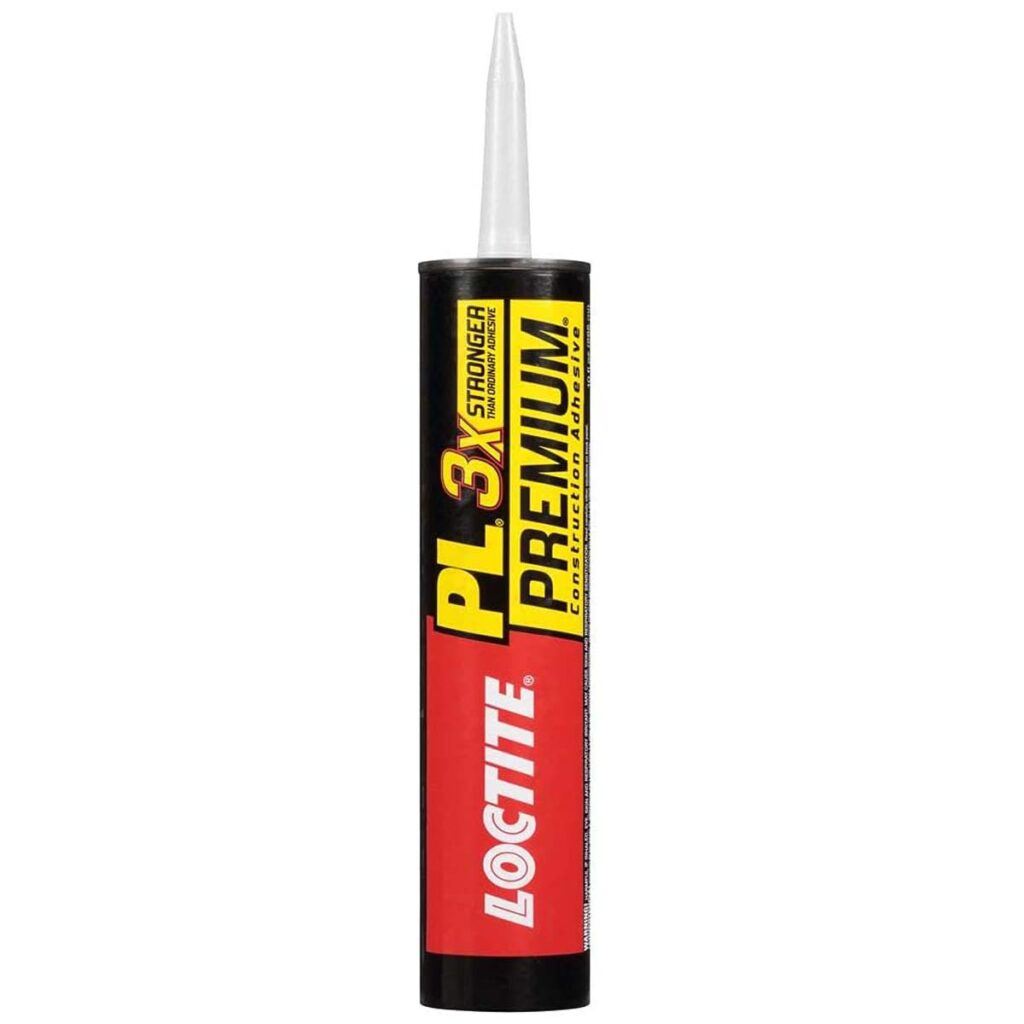
Loctite PL Premium (polyurethane construction adhesive)
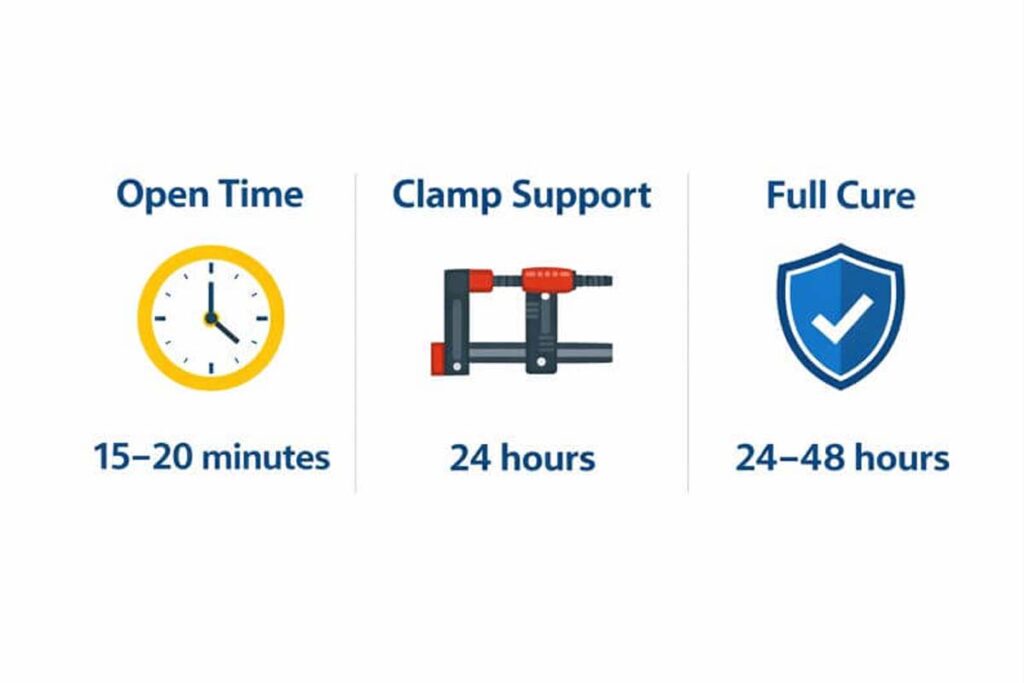
- Open time: 15–20 minutes
- Repositioning time: 30–45 minutes
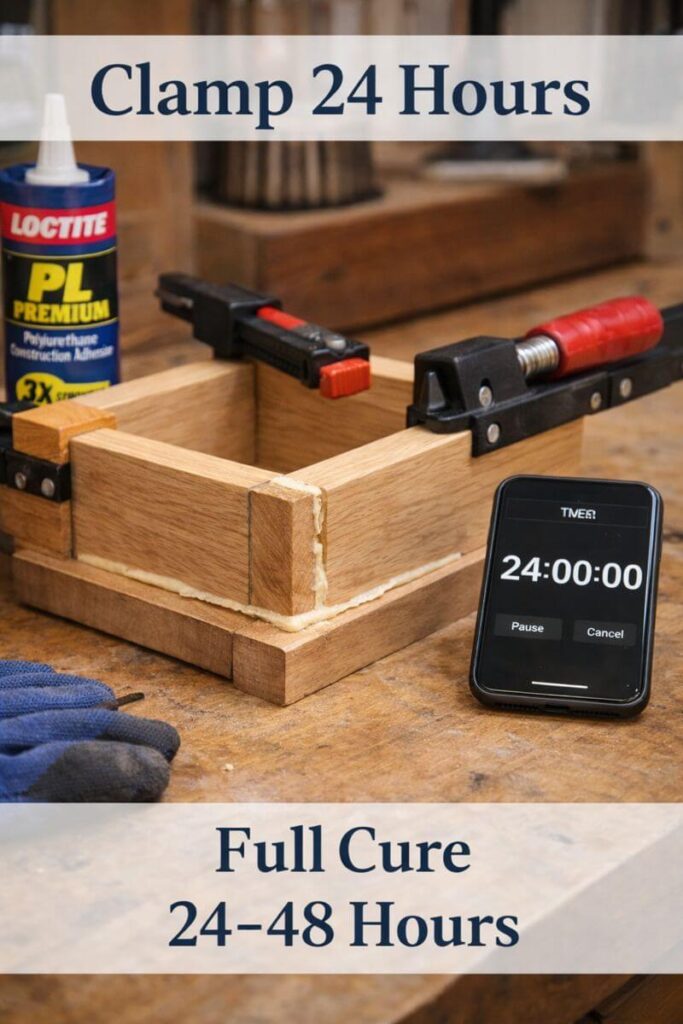
- Clamp/mechanical support: 24 hours
- Full cure: 24–48 hours at 78°F (25°C) / 50% RH
- The product page also summarizes it as “sets in 30 minutes” and “fully cures in 24 hours.”
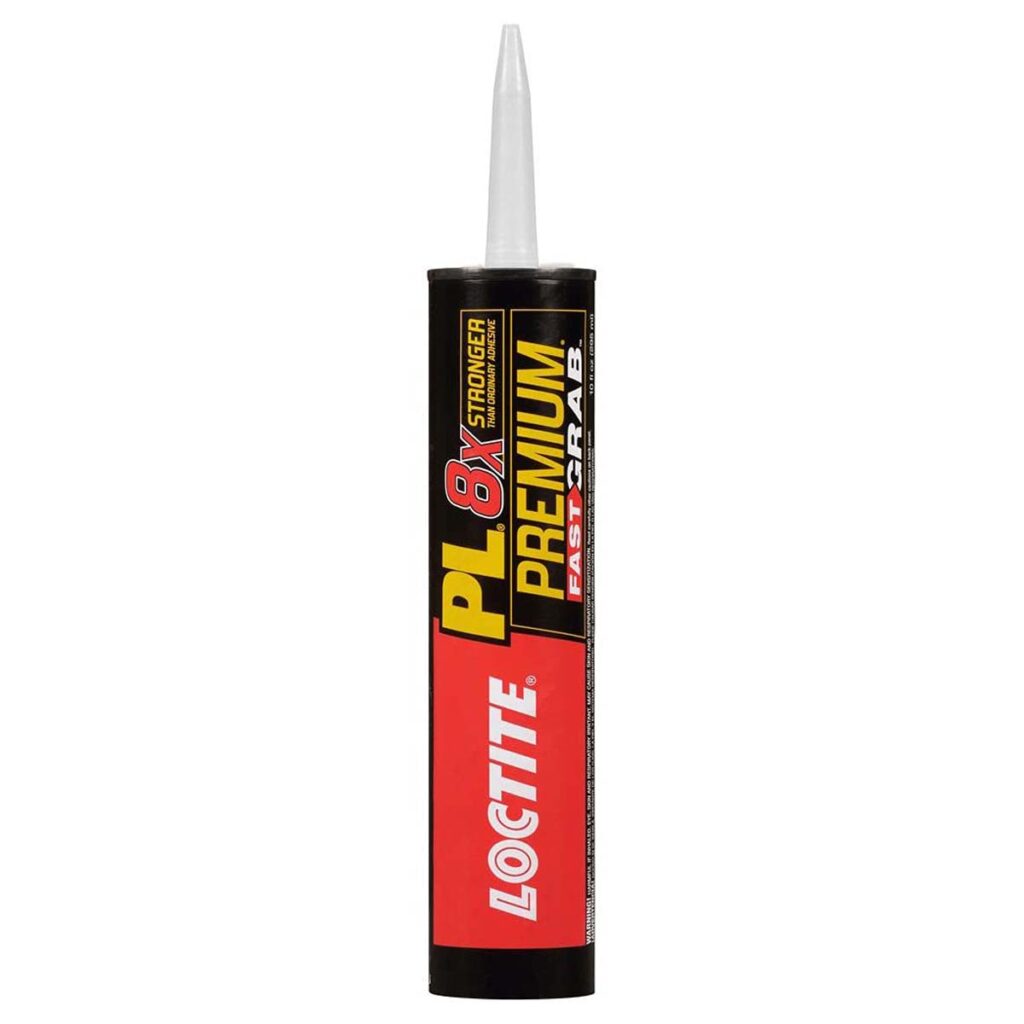
Loctite PL Premium Fast Grab (polyurethane construction adhesive)
- Open time: 20 minutes
- Repositioning time: 15–20 minutes
- Clamp/mechanical support: 24 hours
- Full cure: 24–48 hours at 78°F (25°C) / 50% RH
- The product page also states “sets in 20 minutes” and “fully cures in 24 hours.”
Shop translation: plan on holding the joint still for a full day, and don’t load it hard until the next day (or two).
Learn more: How to Apply Polyurethane Glue: 6 Costly Mistakes to Avoid Today
What does “dry” mean for Loctite polyurethane glue?
“Dry” usually means the surface has skinned and the parts aren’t sliding, but the bead inside the joint is still curing. Loctite PL Premium is a moisture-curing polyurethane adhesive, so it hardens by chemical reaction, not by simple evaporation.
Practical rule: treat “set” as positioning, and treat “cure” as strength.
How long can you work with Loctite polyurethane glue before it starts grabbing?
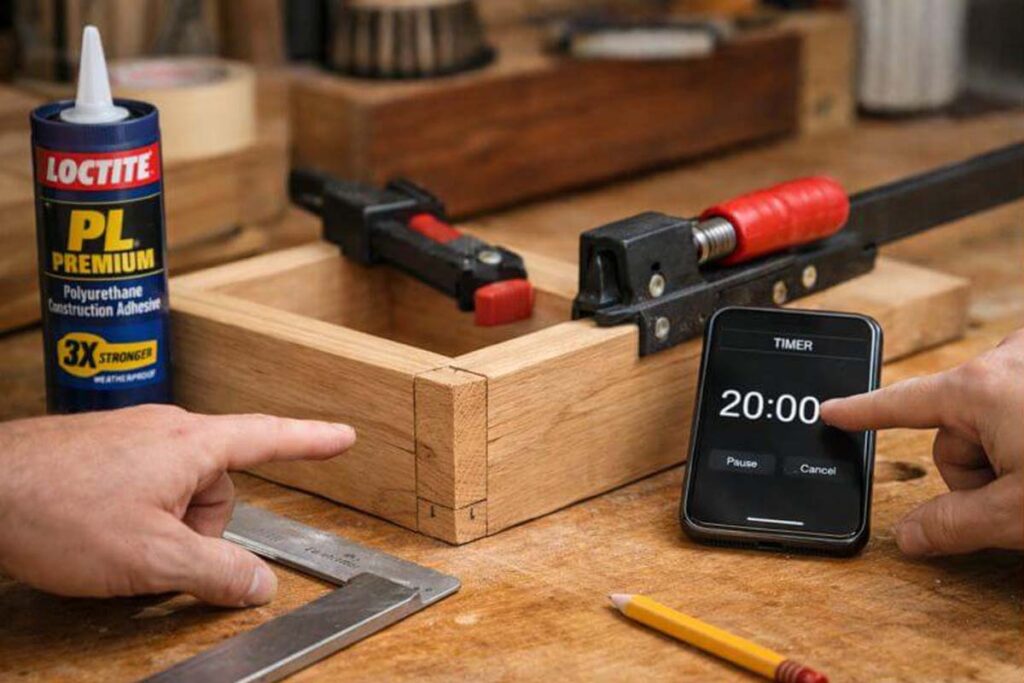
You typically get 15–20 minutes of open time with Loctite PL Premium.
Fast Grab typically lists 20 minutes open time, with 15–20 minutes repositioning.
What I do in the shop: pre-fit the parts, stage clamps, and do a dry run—because once you’re past open time, forcing alignment usually starves the joint or makes a mess.
How long do you need to clamp Loctite polyurethane glue?
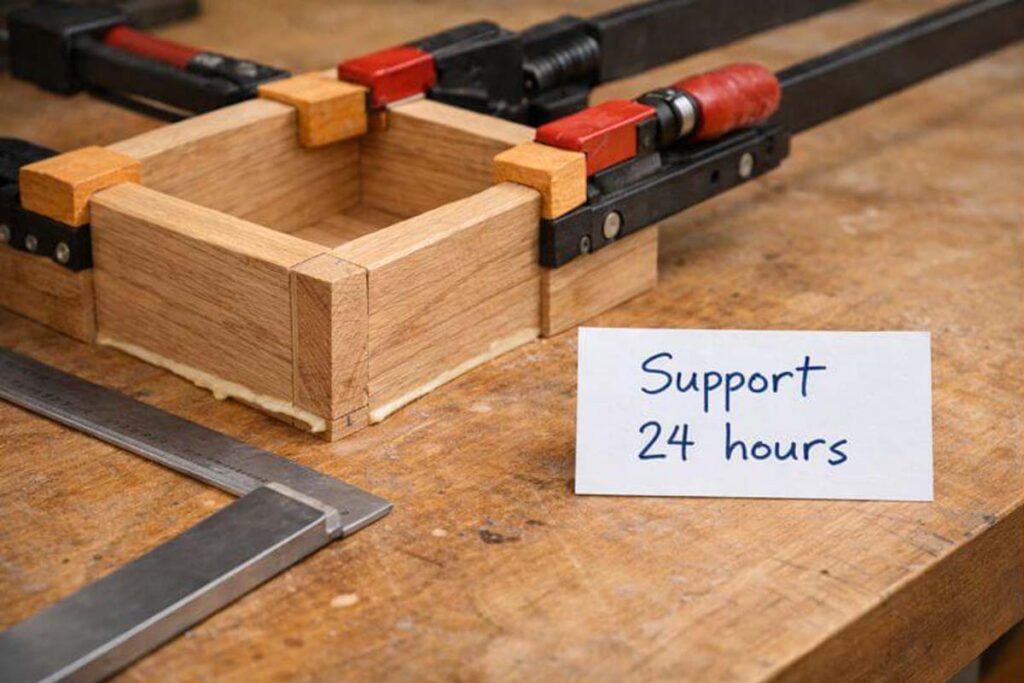
Loctite’s technical data sheets list 24 hours for clamping/mechanical support on both PL Premium and Fast Grab.
That 24-hour support matters more on:
- Vertical pieces (gravity fights you)
- Non-porous materials (slower moisture access)
- Thick beads (more material to cure)
If you’re comparing it to traditional yellow wood glue, my TrayEdit guides on how long does it take for wood glue to dry and how long for wood glue to fully cure help you plan clamp time vs. cure time across adhesive types.
What changes Loctite polyurethane glue dry and cure time the most?
Temperature, humidity, porosity, and bead size drive cure speed, and Loctite states those factors directly in the PL Premium technical data sheet.
Here’s how they play out on a real woodworking job (like a tray frame or a tiered-stand base):
- Cold temperatures slow cure. Loctite notes cure time increases in cold conditions.
- Low humidity slows cure. The same data sheets call out low humidity as a cure-time slowdown.
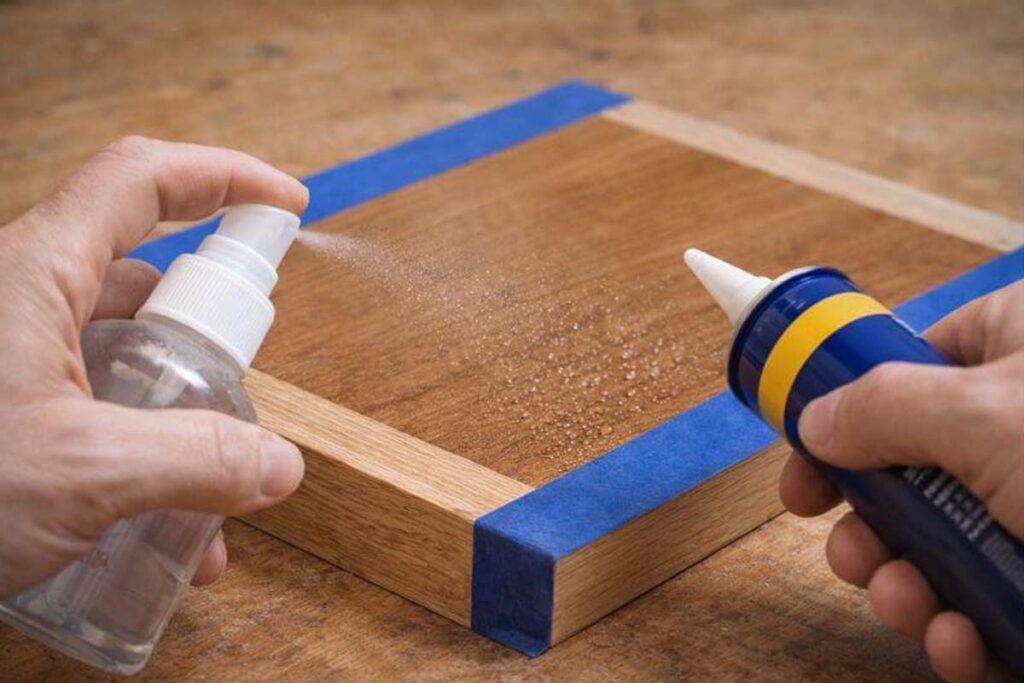
- Non-porous surfaces cure slower unless you add a touch of moisture. Loctite instructs a very light/atomized spray of water when bonding two non-porous surfaces or working under very dry conditions (they call out <30% RH).
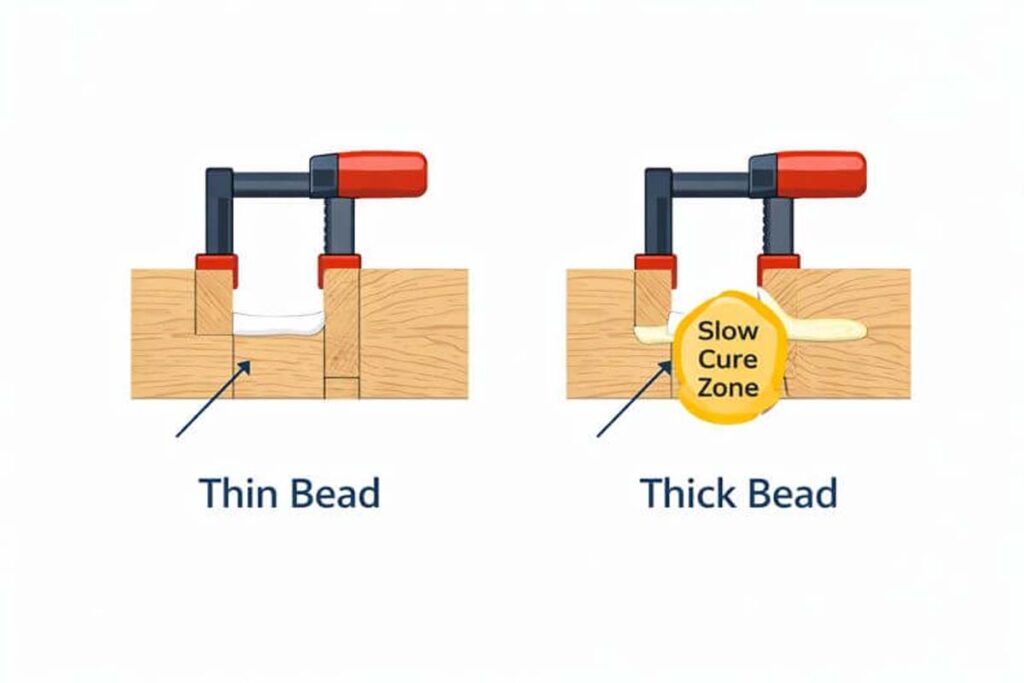
- More glue takes longer. Thick beads trap uncured material in the center longer than thin, even beads.
When can you move the project, sand, or finish after Loctite polyurethane glue?
You can usually handle carefully after it sets, but you get the most predictable results by waiting 24 hours before stressing the joint, and up to 48 hours for full cure under typical conditions.
For sanding/finishing:
- Don’t sand semi-cured squeeze-out. Polyurethane adhesive can gum up paper before it fully cures.
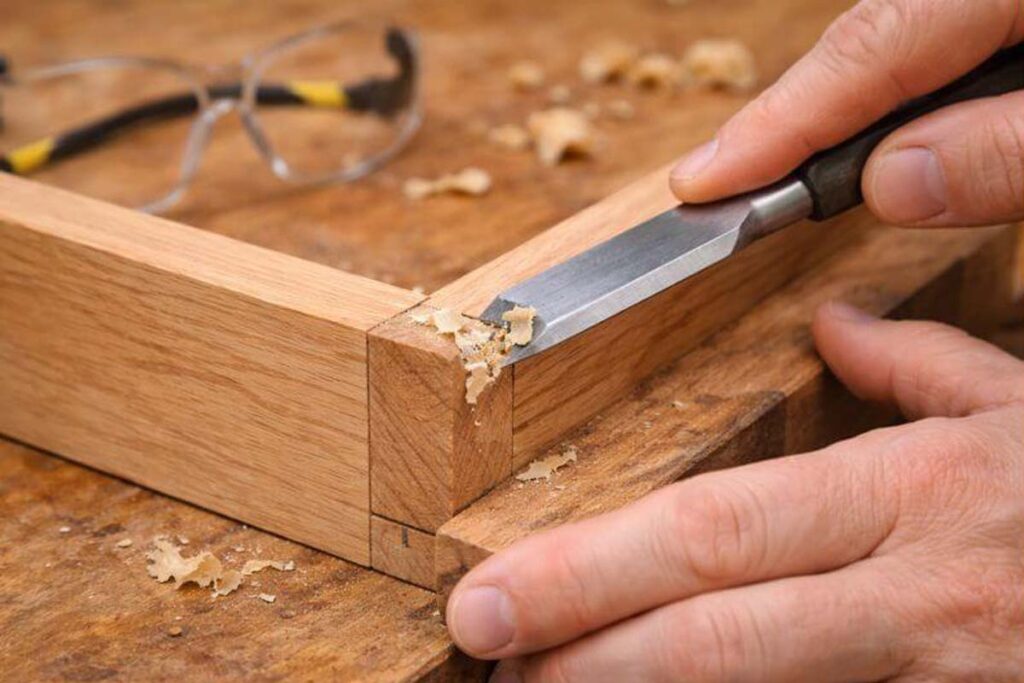
- Clean squeeze-out while uncured (best), or trim it after cure with a sharp chisel/scraper.
If you’re deciding whether a polyurethane construction adhesive is the right fit compared to PVA for a tray build, see wood glue vs construction adhesive.
How do you make Loctite polyurethane glue cure reliably (especially on tricky materials)?
You get reliable cure by controlling moisture and movement, not by blasting it with heat.
- Keep the parts still for 24 hours. Loctite specifies mechanical support during cure.
- Add a light mist of water for non-porous surfaces or very dry air. Loctite explicitly recommends this.
- Stay in the recommended application range. Loctite lists applying above 41°F (5°C) and below 95°F (35°C) for optimal performance.
Want general curing-speed tactics (good airflow, proper glue amount, clamping strategy)? My guide on how to make wood glue dry faster covers the same planning mindset, even though the chemistry differs.
What mistakes keep Loctite polyurethane glue from curing on schedule?
These mistakes consistently add hours (or cause bond failures) with moisture-curing polyurethane:
- Moving the joint during the first day. Loctite calls for 24 hours of support.
- Gluing two non-porous surfaces bone-dry with no mist. Loctite recommends a light spray of water in that scenario.
- Using the glue outside temperature guidance. Low temp slows cure; Loctite provides application guidance and notes cold affects cure.
- Laying down a huge bead “for strength.” Extra adhesive mainly increases cure time and cleanup.
How do you clean up Loctite polyurethane glue safely?
You clean up best before cure.
- Uncured: Loctite directs cleanup with mineral spirits.
- Cured: Loctite notes removal becomes mechanical (scrape/cut).
Safety: Wear gloves and avoid skin contact; the Loctite technical data sheets explicitly recommend gloves, and the Fast Grab sheet warns it contains methylene diisocyanate (MDI) and can irritate or sensitize skin and lungs.
FAQ about Loctite Polyurethane Glue Take to Dry

Can I remove clamps earlier than 24 hours if it “feels hard”?
No—Loctite lists 24 hours for clamping/mechanical support, and the inner bead can still be curing even when the surface feels firm. If you remove clamps early, the joint can creep and lose alignment.
Is Loctite PL Premium “dry” in 30 minutes or 24 hours?
Both statements can be true, depending on what you mean by dry. Loctite’s product page states it sets in 30 minutes and fully cures in 24 hours, while the technical sheet lists 24–48 hours cure under standard conditions. Plan around full cure when strength matters.
Does Loctite polyurethane glue dry faster in humid weather?
Yes—higher humidity usually speeds moisture-cure chemistry, and Loctite notes low humidity slows cure and even recommends a light mist under very dry conditions. Keep the mist light; you’re feeding the cure, not washing the glue out.
What if I’m bonding wood to painted or sealed surfaces?
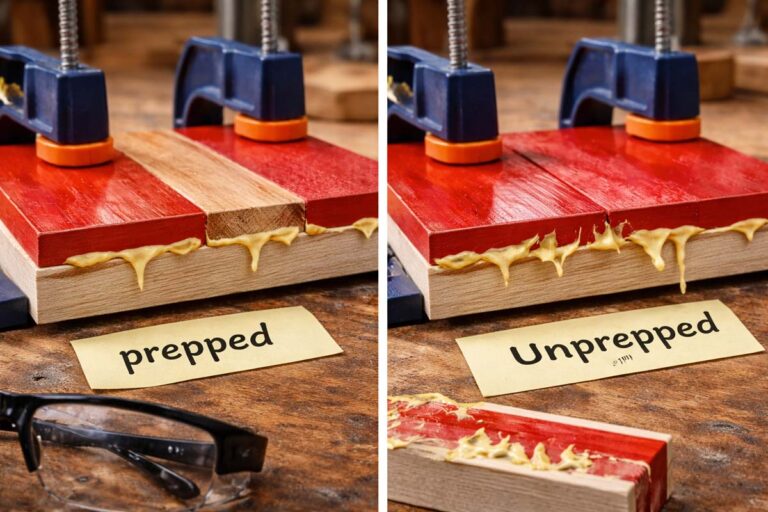
Expect longer cure and weaker adhesion unless you prep. Polyurethane construction adhesive bonds best to clean, solid surfaces, and Loctite’s sheets emphasize clean, contaminant-free substrates. If you need a comparison point, see does wood glue stick to paint for surface-prep logic that also applies here.