Best PVA Wood Glue in 2026: 10 Strong Picks for Clean, Tight Joints
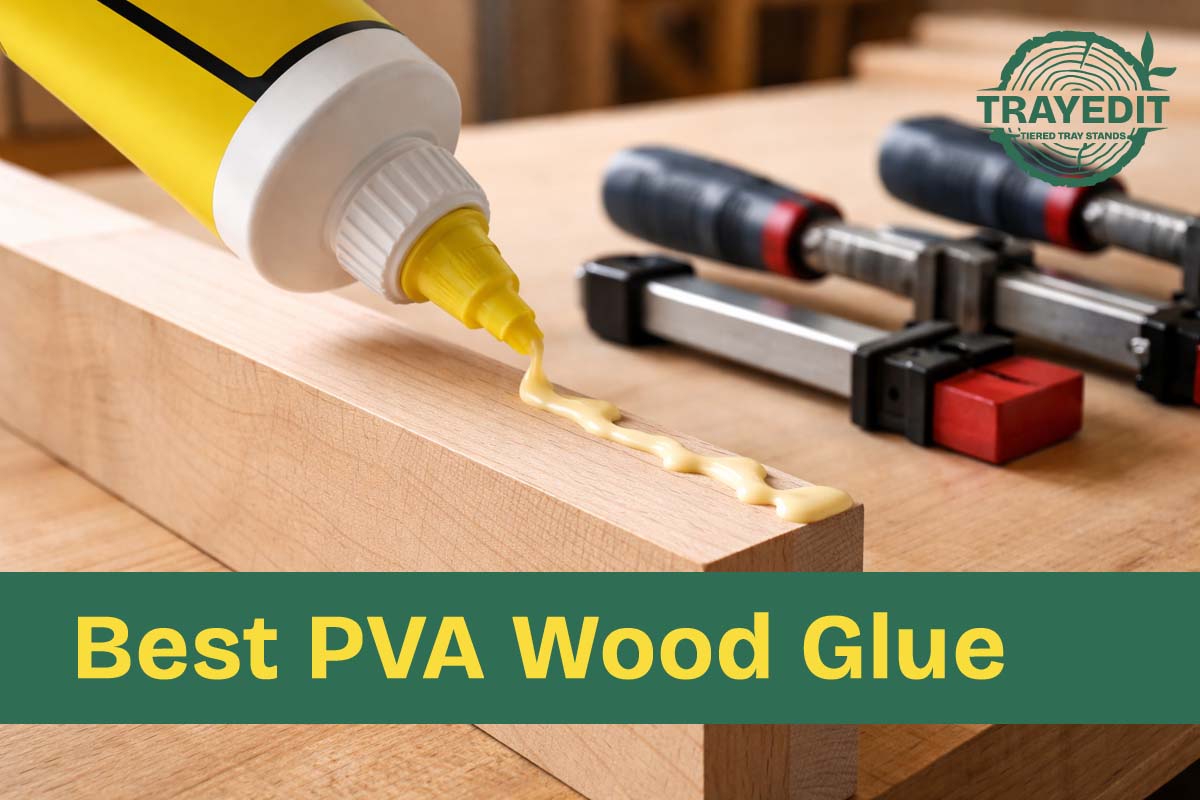
Are you looking for the best PVA wood glue that’s water-based and provides a strong bond for wood-to-wood joints? If so, you’re in the right place to choose the right one.
PVA (polyvinyl acetate) is the classic carpenter’s glue for tight wood-to-wood joints. Match the glue to moisture, assembly time, and finish needs for cleaner glue lines, better alignment, and long-lasting results. In this guide, you’ll learn how moisture rating, open time, clamp time, and cleanup affect strength and final appearance.
Contents Here
- 1 For Quick Check: 10 Top-Rated PVA Wood Glue
- 2 What PVA wood glue is
- 3 How to choose the best PVA wood glue for your project
- 4 Reviews of the 10 Best PVA Wood Glue
- 4.1 Gorilla PVA Wood Glue
- 4.2 Kraken Bond D3 White Super PVA Wood Glue
- 4.3 Snailmart Heavy Duty PVA Wood Glue
- 4.4 Stanley A 601 PVA Wood Glue
- 4.5 BOSSDOG Fast Drying PVA Wood Glue
- 4.6 Titebond III Ultimate Wood Glue
- 4.7 Titebond Original Wood Glue 5063
- 4.8 Gorilla Ultimate Waterproof Wood Glue
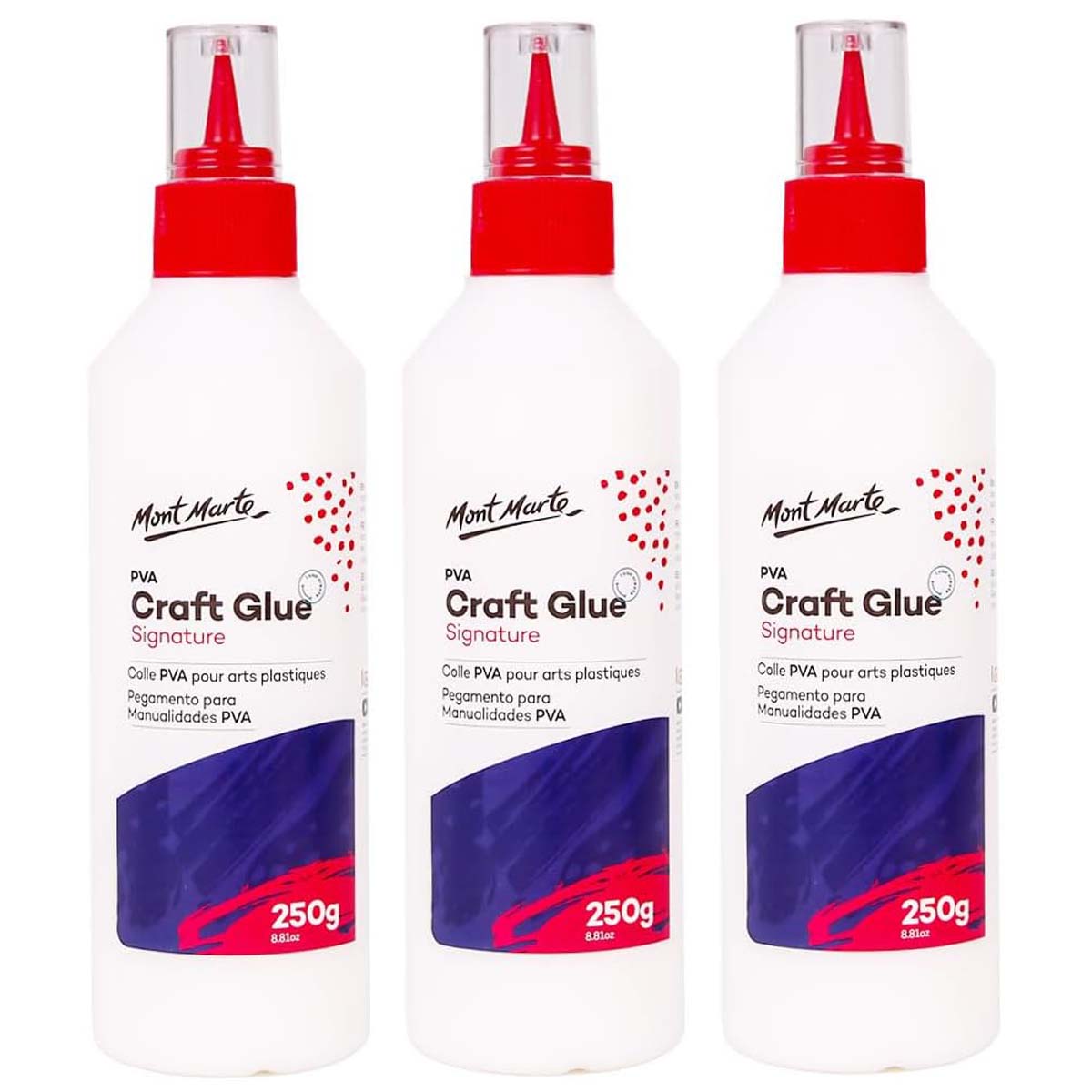
- 4.9 Mont Marte PVA Glue
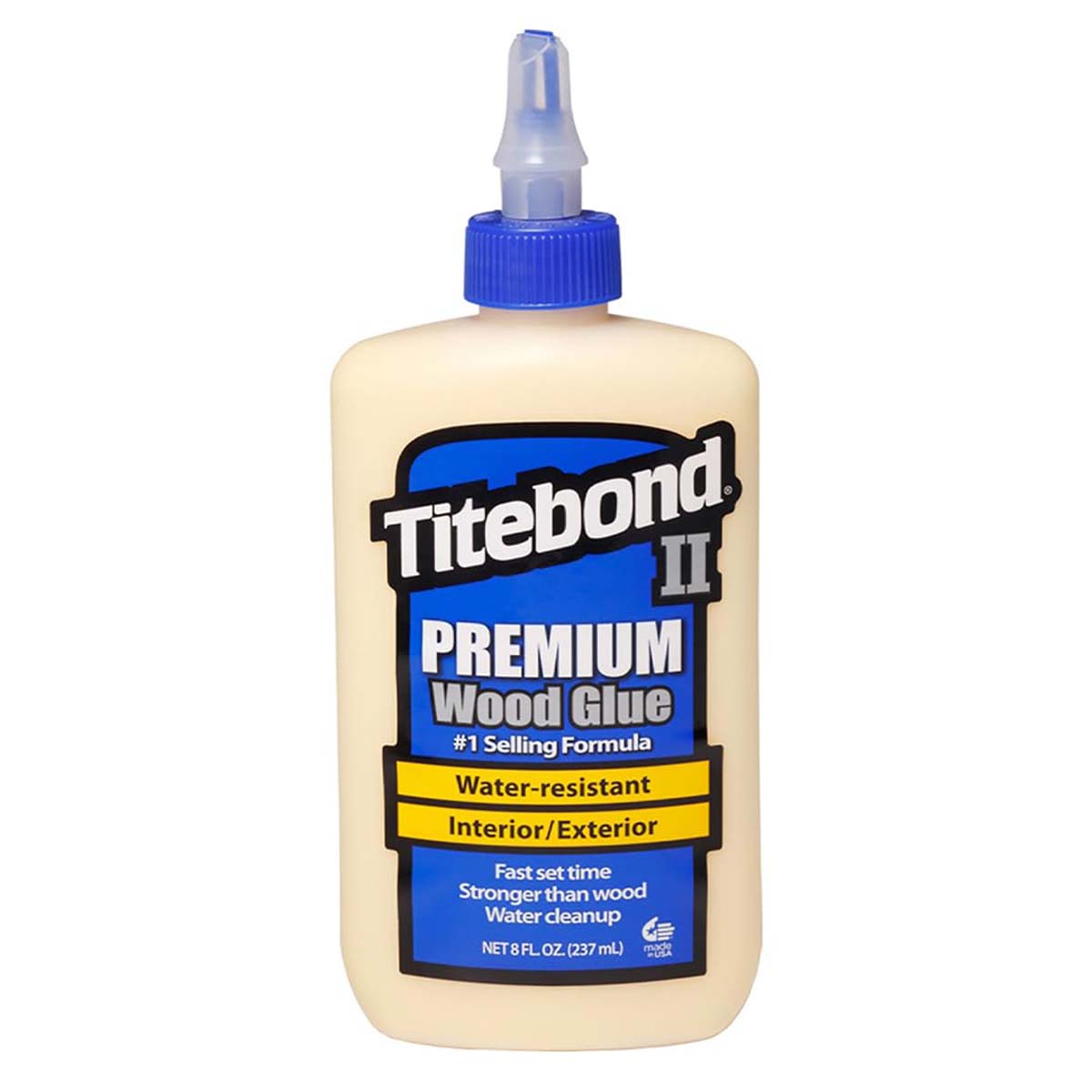
- 4.10 Titebond 5003 II Premium Wood Glue
- 5 How to get a strong PVA glue joint (step-by-step)
- 6 Common PVA glue problems (and what to do)
- 7 When PVA is the wrong choice (and what to use instead)
- 8 FAQs on PVA Wood Glue
- 9 Final Thoughts
For Quick Check: 10 Top-Rated PVA Wood Glue
- Gorilla PVA Wood Glue
- Kraken Bond D3 White Super PVA Wood Glue
- Snailmart Heavy Duty PVA Wood Glue
- Stanley A 601 PVA Wood Glue
- BOSSDOG Fast Drying PVA Wood Glue
- Titebond III Ultimate Wood Glue
- Titebond Original Wood Glue 5063
- Gorilla Ultimate Waterproof Wood Glue
- Mont Marte PVA Glue
- Titebond 5003 II Premium Wood Glue
What PVA wood glue is
PVA stands for polyvinyl acetate, the glue family behind most carpenter’s glues. It bonds by soaking into wood fibers and hardening as water leaves. When the joint fits well, the wood often fails before the glue.
If you want a deeper explanation, start with PVA glue basics for woodworking.
White vs yellow PVA and “carpenter’s glue” labeling
White PVA is usually sold as general-purpose glue. Yellow “carpenter’s glue” is typically tuned for woodworking. Brand labeling isn’t consistent, though. Use the water-resistance rating and the instructions as your decision tools.
If you’re fixing loose chair rungs or a split table apron, this rundown of furniture repair wood glue will save you time and headaches
How to choose the best PVA wood glue for your project
Most people don’t need ten glues on the shelf. You need one that suits your environment and one that suits your pace. Then you need a cleanup plan that doesn’t ruin stain.
Before you buy, think through:
- Where the project will live: dry room, humid space, or outdoors
- How long assembly takes: quick edge joint or complex casework
- How you’ll finish it: paint, clear coat, or stain
Water resistance that matters (interior, Type II, Type I)
- For indoor furniture and trim, an interior-rated PVA is usually plenty.
- For kitchens, bathrooms, and covered porches, step up to a water-resistant formulation.
- For outdoor pieces, choose a waterproof-rated PVA and protect the wood with a proper exterior finish.
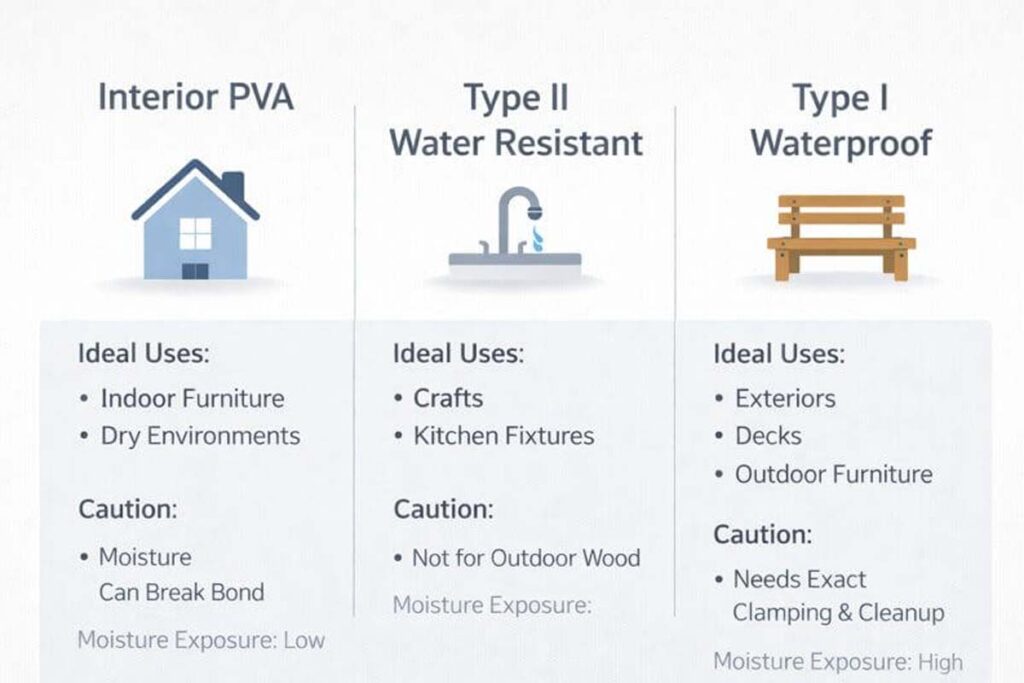
If your project will be used around food, choose carefully. See what “food safe” means for common wood adhesives before you commit.
Working time, clamp time, and cure time (don’t mix them up)
Working time is how long you can spread glue and assemble parts. Clamp time is how long the joint needs pressure to stay put. Cure time is when the glue reaches full strength.
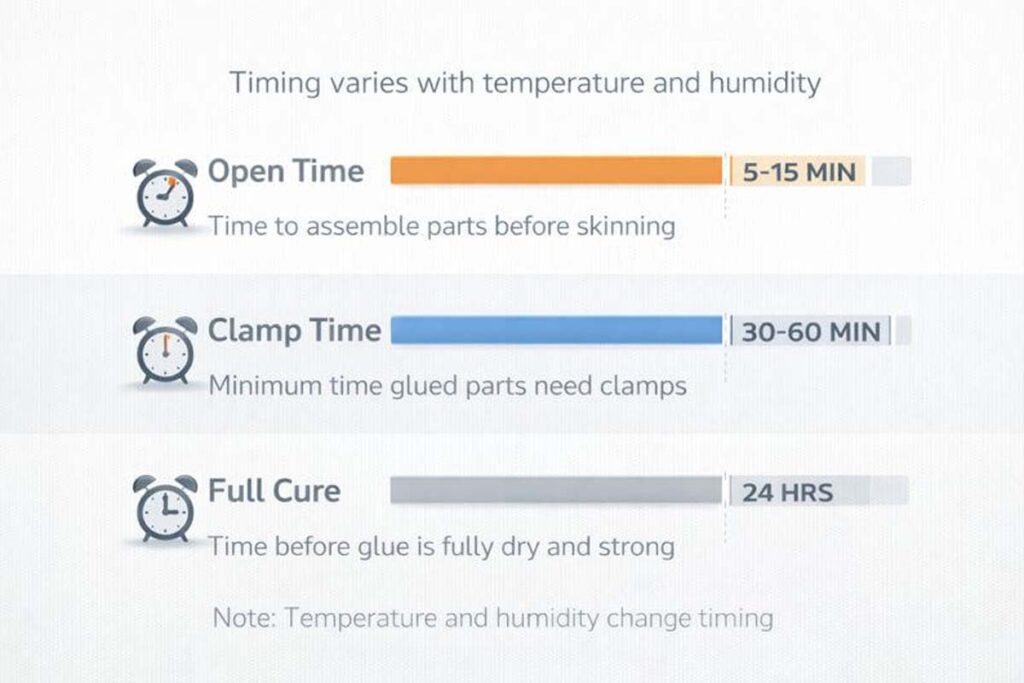
A lot of “bad glue” stories are really “too soon” stories. These guides help with timing. Use how long to keep clamps on a glue-up first. Then read full-strength cure time expectations.
Finish friendliness: stain, squeeze-out, and glue lines
Dried PVA on the surface can block stain and leave pale patches. Prevention is the fix. Spread a thin coat, clamp with control, and clean squeeze-out without smearing it into the grain.
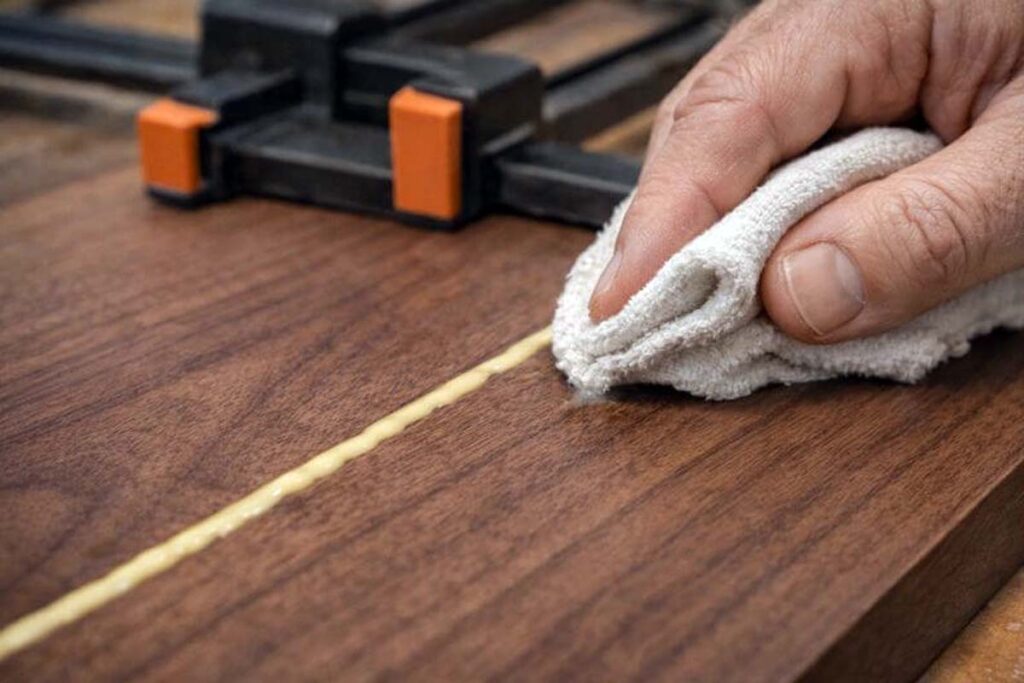
If you stain a lot of projects, keep this handy: why glue lines show up under stain.
PVA doesn’t last forever, especially if it freezes or bakes in a shed. Old glue can turn stringy, thick, or rubbery. Keep the cap clean, store it above freezing, and buy a size you’ll actually use.
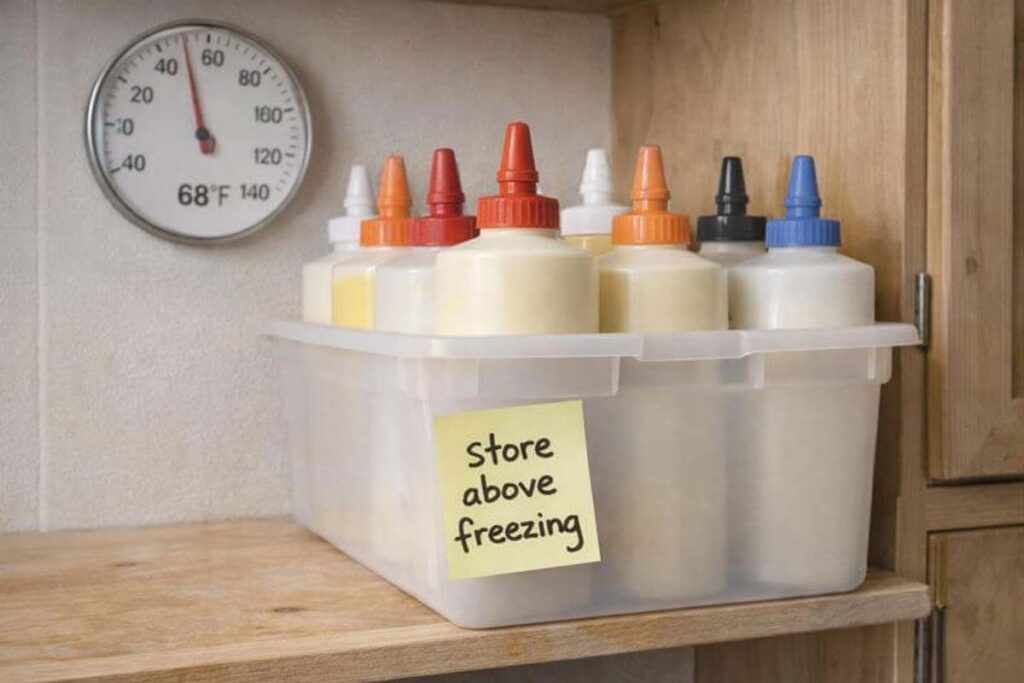
For a quick check list, see how to tell if your glue has expired.
Reviews of the 10 Best PVA Wood Glue
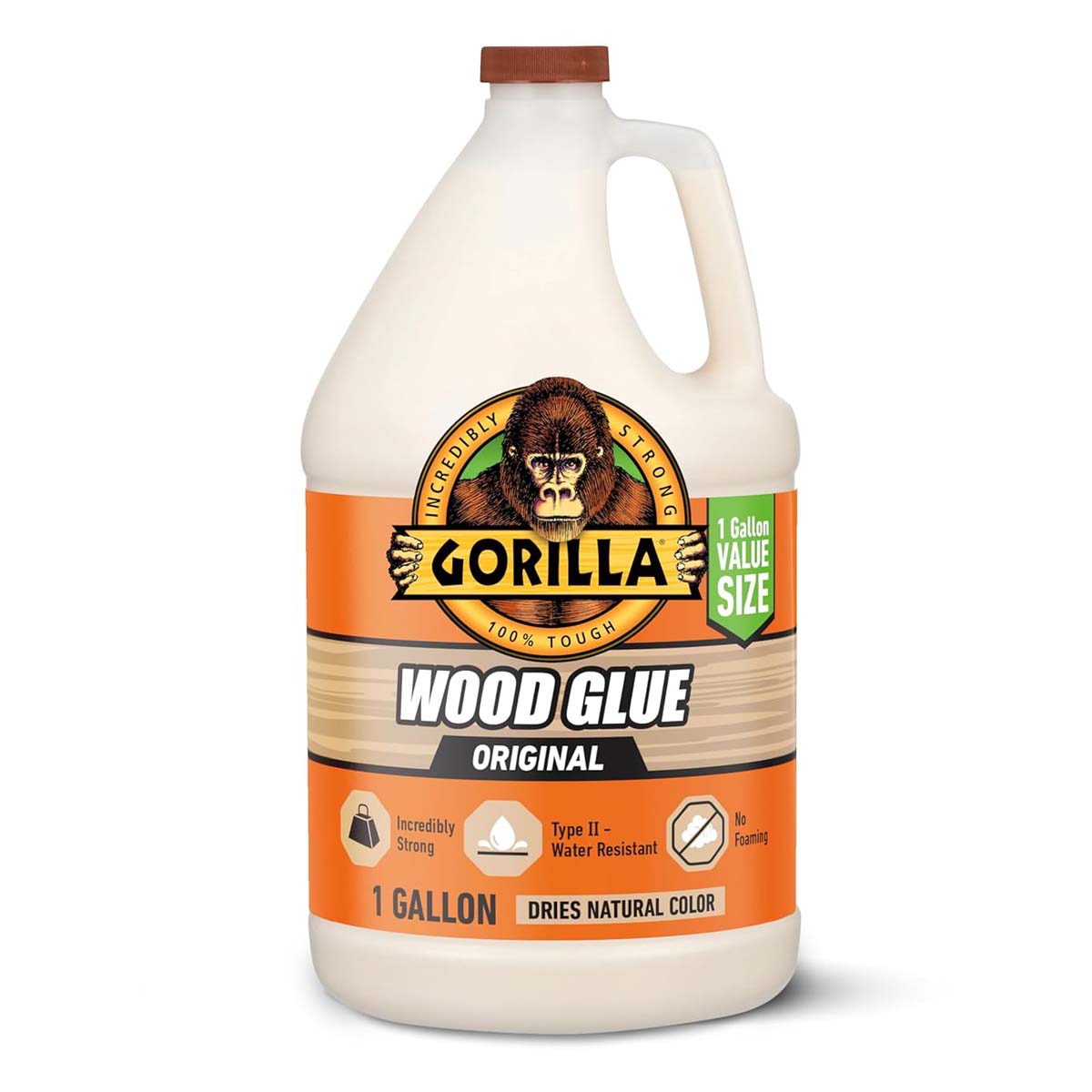
Gorilla PVA Wood Glue
The best Type II water-resistant PVA for fast furniture glue-ups
Gorilla PVA Wood Glue is a steady pick when you want a water-resistant joint without the fuss of foaming adhesives. It cures to a natural tan line, so seams blend better on most hardwood and softwood builds. The listing calls out 20–30 minutes of clamp time and a 24-hour full cure, which fits a normal evening glue-up.
$26.99 at AmazonSpecifications:
- Water-based PVA liquid; low–medium viscosity
- Passes ANSI/HPVA Type II water resistance (listed)
- Sandable and paintable once dry
If you’re unsure on pressure and timing, see how long to keep clamps on a glue-up.
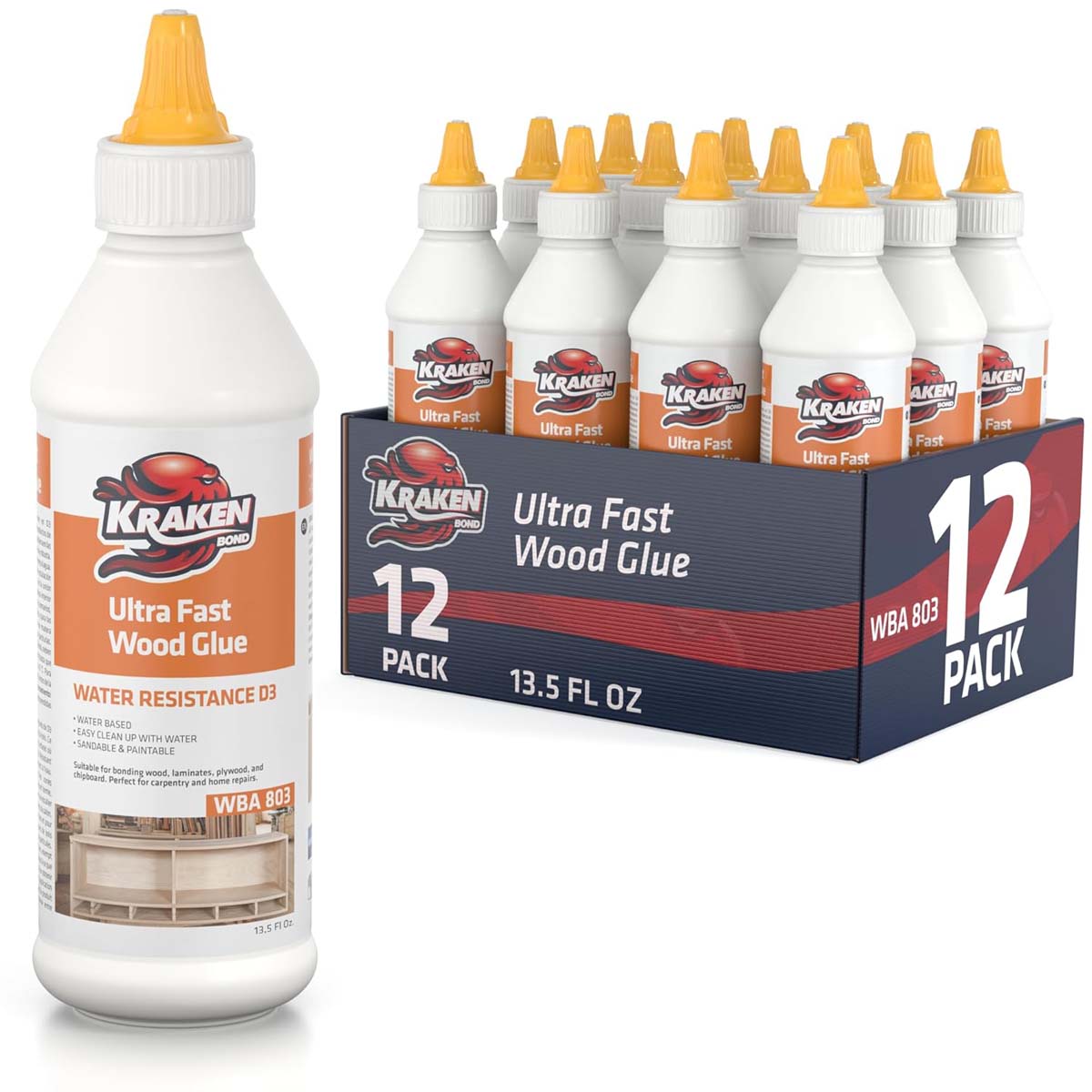
Kraken Bond D3 White Super PVA Wood Glue
The best clear-drying PVA option when you need extra working time.
Kraken Bond D3 White Super PVA Wood Glue is built for control. The gel form and very high viscosity (14,400 centipoise, per listing) help keep glue where you put it, which is handy on trim, miters, and vertical parts. It’s also listed as clear-drying and flexible, so small squeeze-out spots are less obvious after sanding.
$64.99 at AmazonSpecifications:
- Water-based PVA gel; 14,400 cP viscosity
- Water-resistant; D3-style performance claim (listed)
- Full cure time: 7 days (listed)
For a realistic workflow, compare set time vs full cure time.
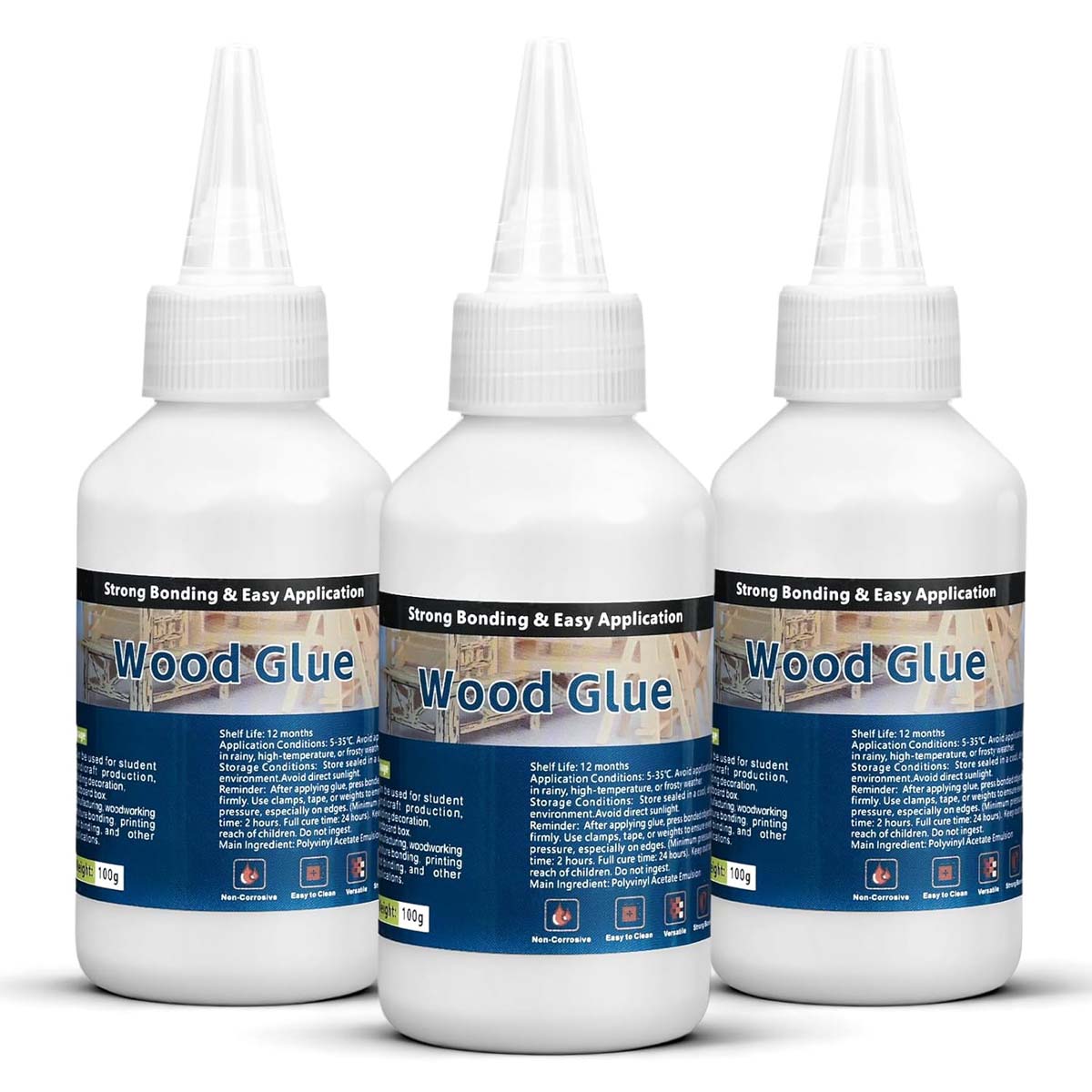
Snailmart Heavy Duty PVA Wood Glue
A best PVA wood glue choice for crafts, school projects, and small repairs.
Snailmart Heavy Duty PVA Wood Glue is a practical craft-and-DIY option when you’re bonding more than just wood. The listing says it’s non-toxic, washable, and clear-drying, and it’s compatible with paper, fabric, cardboard, and wood—great for lightweight tray décor, labels, and small fixes where appearance matters.
$11.99 at AmazonSpecifications:
- PVA “cream” formula; moderate viscosity
- Water-resistant claim (listed)
- Compatible with cardboard, fabric, paper, wood
To avoid a weak bond, follow how much wood glue to apply on wood joints.
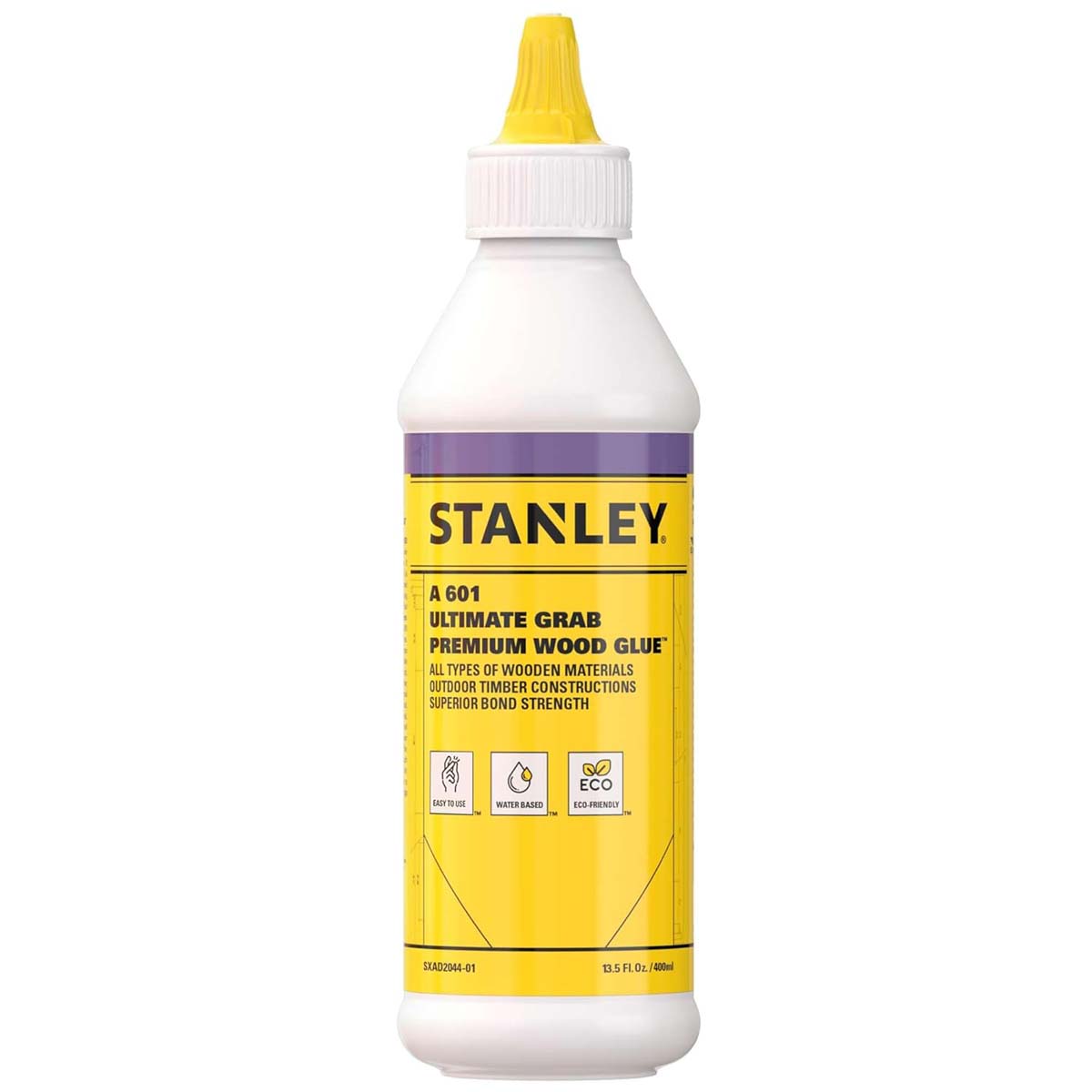
Stanley A 601 PVA Wood Glue
The best D3-rated PVA for moisture-prone joinery like doors and frames.
Stanley A 601 PVA Wood Glue is a good fit for damp-prone interior work where you still want easy application. It’s listed as a gel with medium-to-high viscosity, plus D3 certification and water resistance—useful for door frames, shelving near bathrooms, and shop jigs that see seasonal humidity.
$18.99 at AmazonSpecifications:
- Water-based PVA gel; medium–high viscosity
- D3 certified and water-resistant (listed)
- Works on wood, cardboard, paper, furniture materials
If you’re choosing by environment, start with what PVA wood glue is used for.
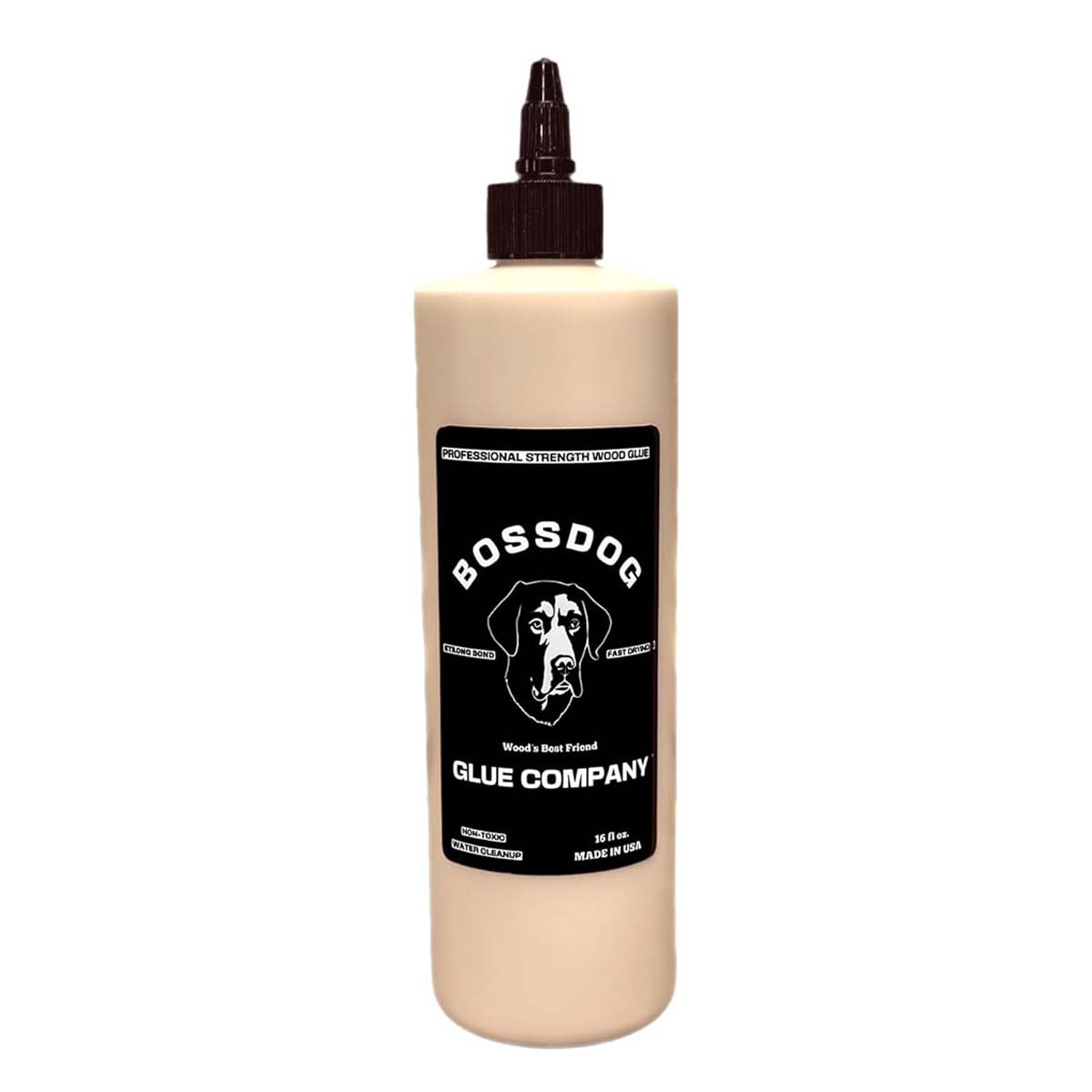
BOSSDOG Fast Drying PVA Wood Glue
A best PVA wood glue pick for fast cabinet repairs and tray builds.
BOSSDOG Fast Drying PVA Wood Glue is aimed at fast repairs where you still want a clean-looking joint. The listing backs that up with a 30-minute clamp time, 24-hour cure, and tensile strength rated at 3,900 PSI. It’s also labeled ASTM D4236 non-toxic and “food-safe once cured” for indirect contact—nice for serving trays when you’re patient on cure.
$13.99 at AmazonSpecifications:
- Water-based PVA liquid; viscosity: 4,000 cps
- Tensile strength: 3,900 PSI (listed)
- Full cure: 24 hours; water-resistant claim
For kitchen builds, read what food safe means for cured wood glue.
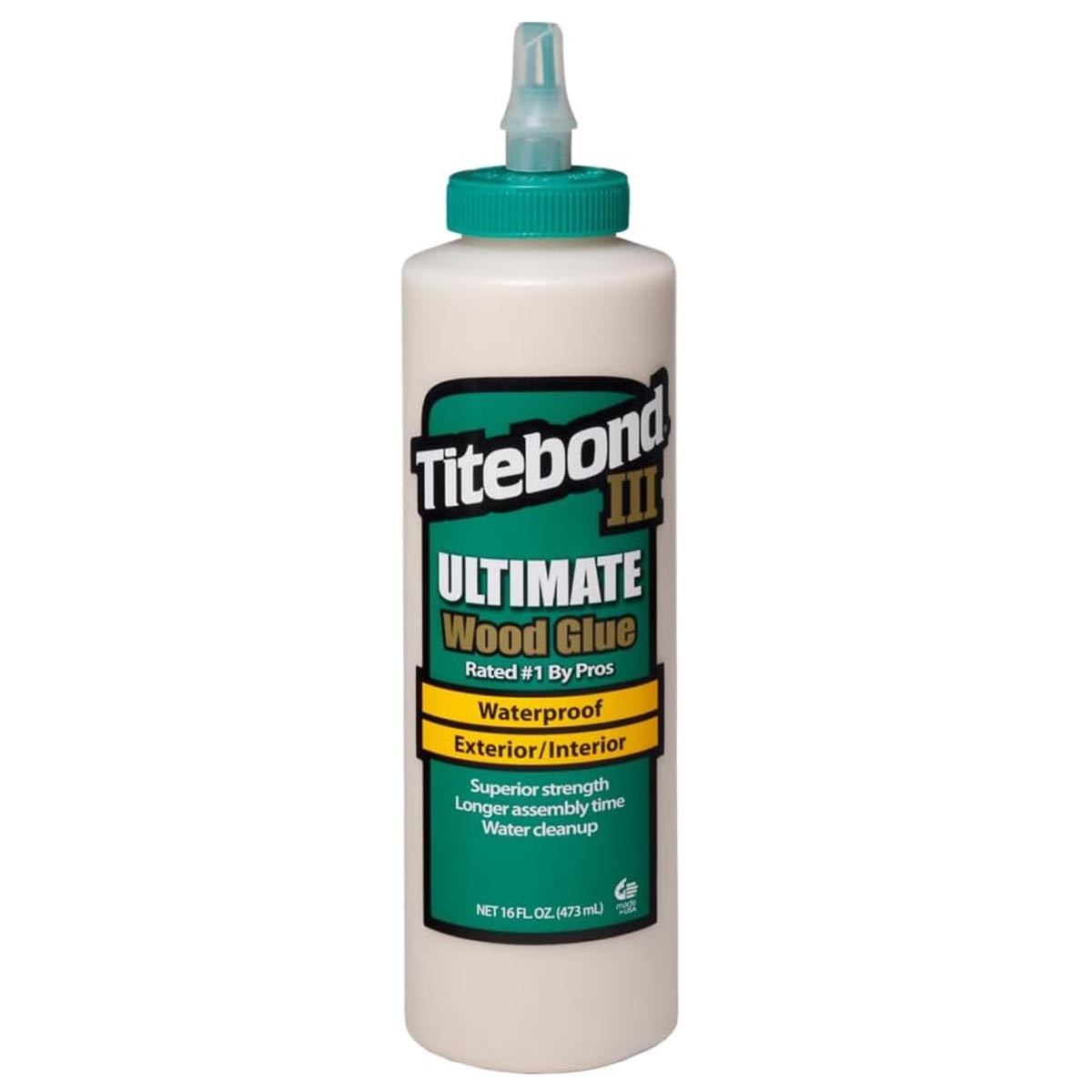
Titebond III Ultimate Wood Glue
The best high-performance PVA for exterior projects with longer open time.
Titebond III Ultimate Wood Glue is a high-performance PVA when you want one bottle that handles tough conditions. It’s listed with a 30-minute clamp time, strong initial tack, and 4,000 PSI tensile strength, plus ASTM D4236 non-toxic and approval for indirect food contact. The description also notes longer open time and a minimum application temperature of 47°F, which matters in colder garages.
$7.97 at AmazonSpecifications:
- Water-based PVA liquid; medium viscosity
- Tensile strength: 4,000 PSI (listed)
- Not for continuous submersion; apply above 47°F
Before stressing a joint, follow full cure time guidance for wood glue.
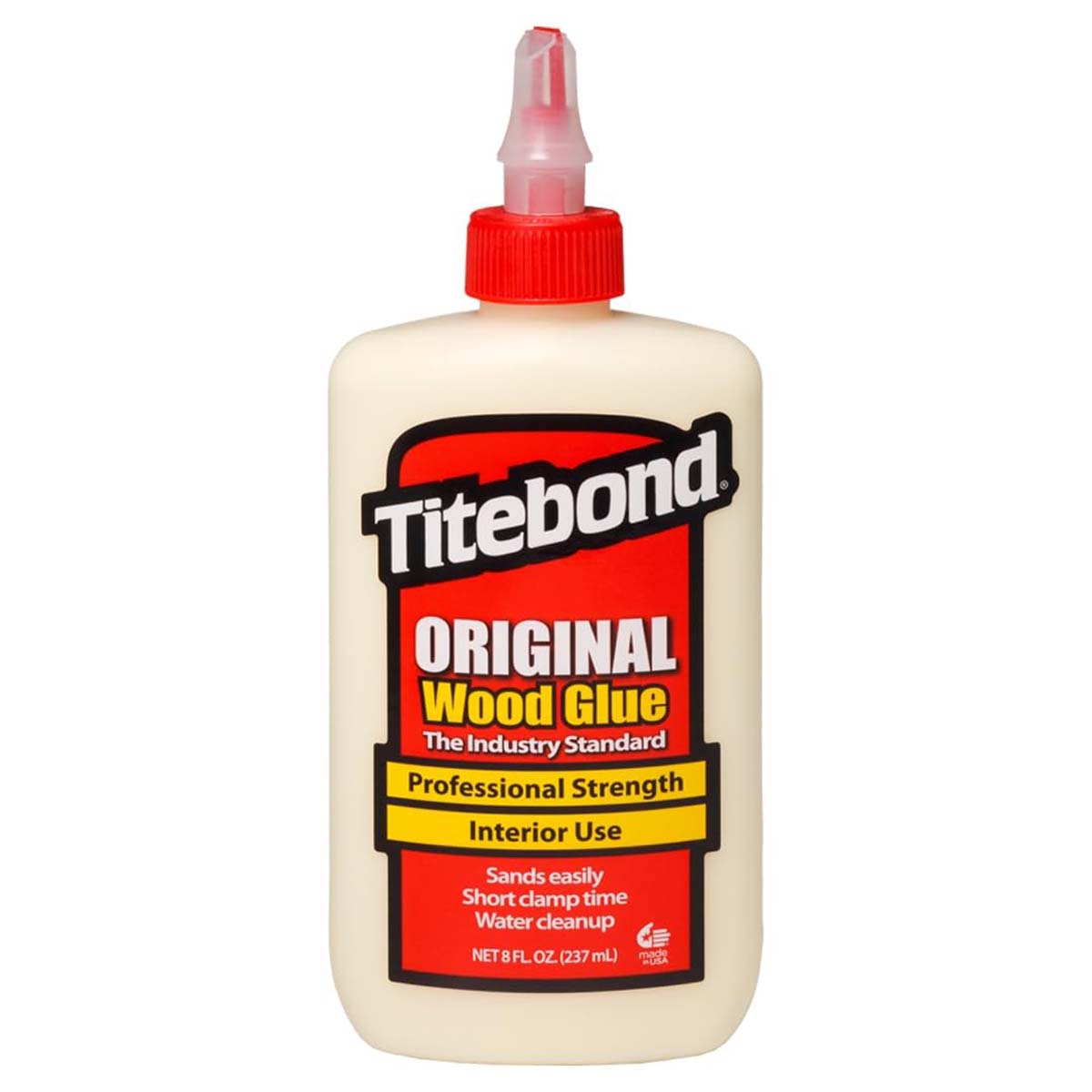
Titebond Original Wood Glue 5063
The best interior carpenter’s glue for quick tack and smooth sanding.
Titebond Original Wood Glue 5063 is a classic interior carpenter’s glue for furniture, trim, and shop fixtures. The listing highlights “fast set” and strong tack, and it’s rated at 3,200 cps viscosity. It’s also clearly labeled not water resistant, so it belongs on dry-room projects where you want easy sanding and predictable squeeze-out control.
$3.68 at AmazonSpecifications:
- Water-based PVA liquid; 3,200 cps viscosity
- Not water resistant (listed)
- Made in the USA (listed)
If you stain your work, keep glue off the grain—see why wood glue can block stain.
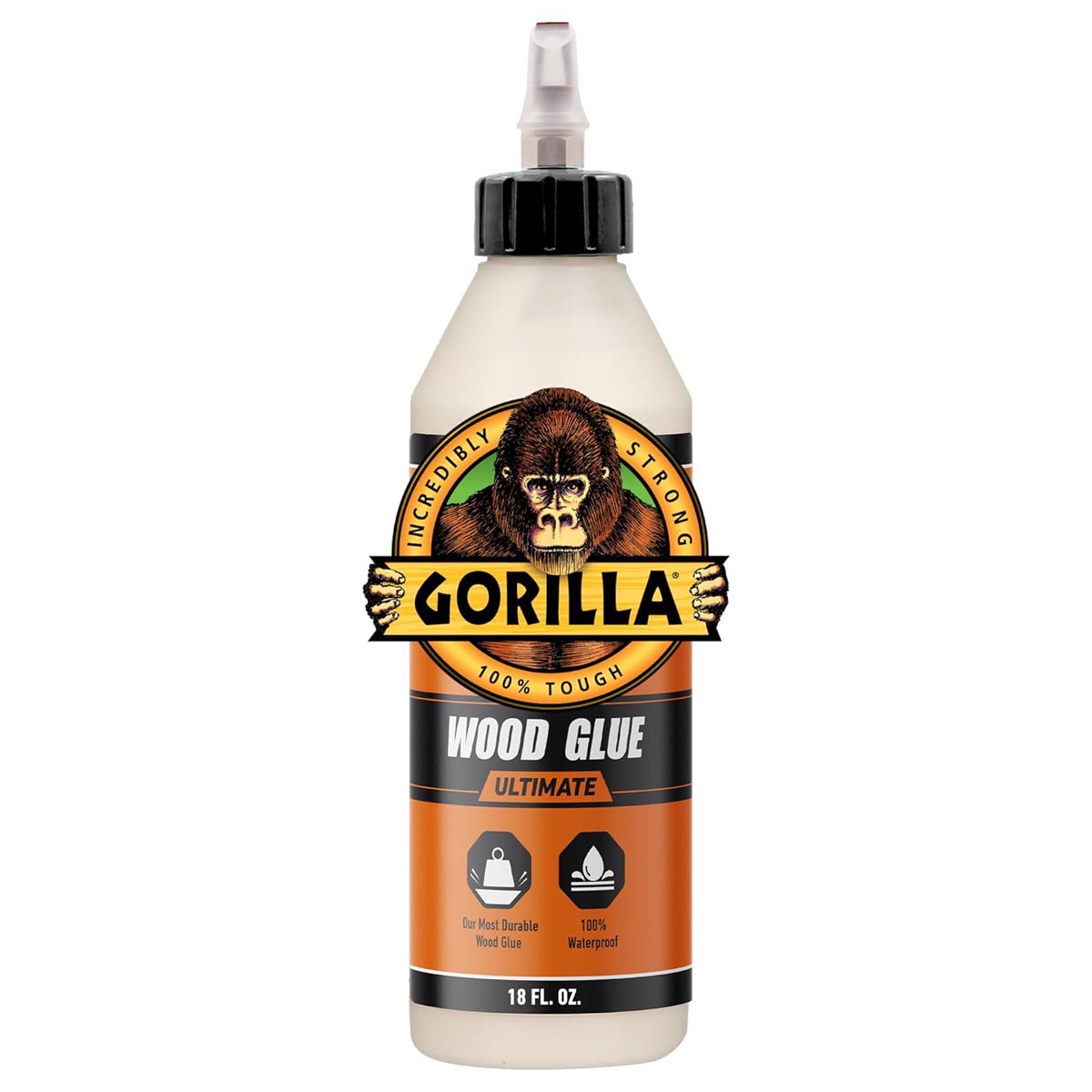
Gorilla Ultimate Waterproof Wood Glue
The best Type I waterproof PVA for outdoor furniture and weather swings.
Gorilla Ultimate Waterproof Wood Glue is the one in this list that’s clearly positioned for real weather. It’s listed as waterproof, low-viscosity, and it passes ANSI/HPVA Type I. You also get a stated 15-minute working time and a 24-hour full cure, which helps on outdoor chairs, planters, and larger panel glue-ups where you need breathing room.
$11.32 at AmazonSpecifications:
- Water-based PVA liquid; low viscosity
- ANSI/HPVA Type I waterproof claim (listed)
- Full cure: 24 hours; cures to natural tan
For strength expectations, see how strong Gorilla wood glue can be.
Mont Marte PVA Glue
The best clear-drying PVA for crafts, paper, and light wood projects.
Mont Marte PVA Glue is best treated as a clear-drying craft glue that can handle light wood tasks. It’s listed as low-viscosity, water resistant, and clear, which makes it handy for paper-to-wood accents, labels, and small decorative parts where you don’t want a visible glue line.
$17.99 at AmazonSpecifications:
- Water-based PVA liquid; low viscosity
- Dries clear; water-resistant claim (listed)
- Compatible with paper and wood
For cleanup, follow a simple method to remove wood glue from wood.
Titebond 5003 II Premium Wood Glue
The best water-resistant PVA for indoor builds that face humidity.
Titebond II Premium Wood Glue 5003 is a solid middle-ground PVA for most workshops. The listing includes 4,000 cps viscosity, 24-hour cure, strong initial tack, and tensile strength rated at 3,750 PSI, plus an “excellent water resistance” claim that suits kitchens and bathrooms better than interior-only glue.
$5.44 at AmazonSpecifications:
- Water-based PVA liquid; 4,000 cps viscosity
- Tensile strength: 3,750 PSI (listed)
- Full cure: 24 hours; water-resistant claim
If you’re choosing between brands, compare Titebond vs Gorilla for everyday glue-ups.
How to get a strong PVA glue joint (step-by-step)
A strong glue joint is mostly about fit and pressure, not force.
- Dry-fit first and fix any rocking or twist.
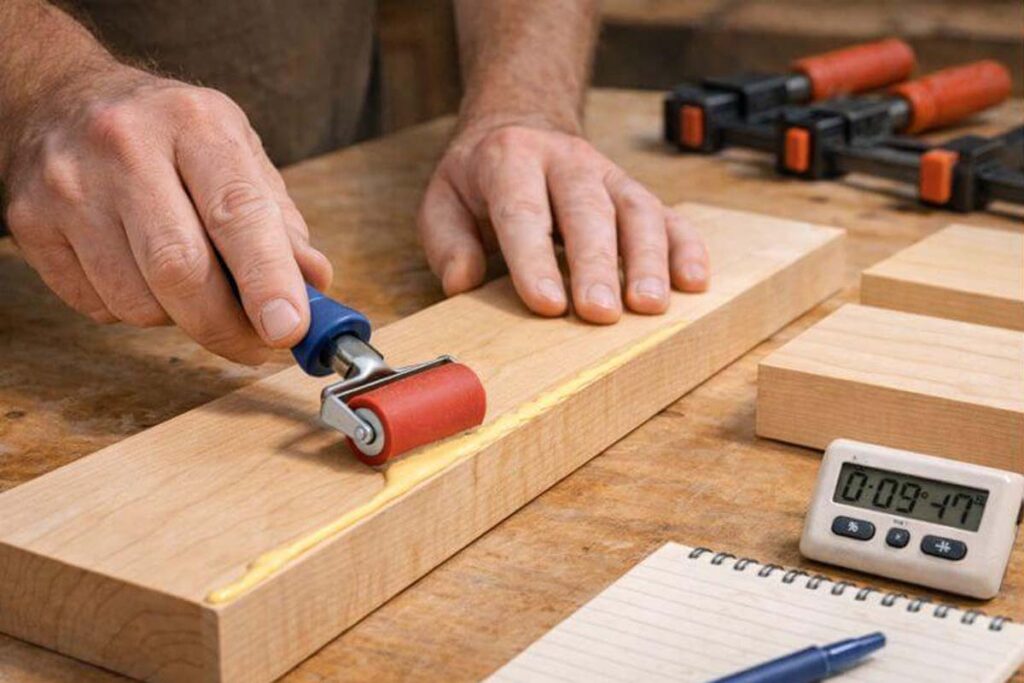
- Apply a thin, even layer across the mating surfaces.
- Clamp for alignment and full contact, not maximum squeeze.
- Clean squeeze-out carefully, then leave the joint alone to cure.
If you want strength expectations in plain language, read how much strength wood glue really adds.
Surface prep and fit (why PVA isn’t a gap filler)
PVA likes tight, clean contact. Plane or sand mating faces flat and brush off dust. Don’t glue over finish. End grain is thirsty, so don’t rely on it alone. Use joinery that increases long-grain contact, or size the end grain first.
Clamp properly and don’t rush the cure
Use enough clamps to close the joint and keep it from sliding. Too much pressure can squeeze out too much glue and starve the joint. After clamping, give it time before sanding, machining, or loading the piece.
For a safe workflow, start with when it’s okay to remove clamps. Then check dry time before sanding.
Common PVA glue problems (and what to do)
Most glue problems look dramatic, but they’re usually simple.
- The joint slipped while clamping. Use cauls, start with light pressure, then snug up.
- The glue dried too fast. Stage the assembly and pre-set clamps before spreading glue.
- The glue stayed rubbery. Check temperature and shelf life, and avoid thick blobs.
- The nozzle clogged. Keep the cap clean and store the bottle upright.
- Stain looks blotchy near joints. Clean squeeze-out sooner and sand evenly before staining.
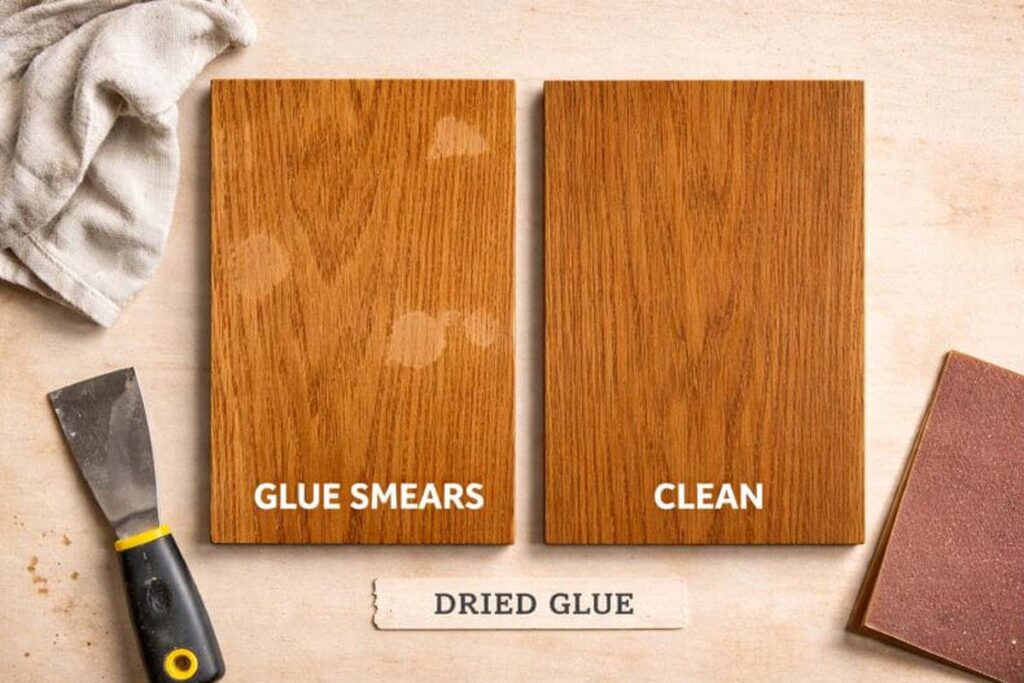
If you already have dried glue where it shouldn’t be, follow removing glue without gouging the wood.
When PVA is the wrong choice (and what to use instead)
PVA is excellent for wood-to-wood joints with good fit. It’s not the best choice for every situation.
- For gaps, rot repair, or tricky materials, epoxy is often safer. See wood glue vs epoxy for repairs and gap filling.
- For reversibility in instruments or antiques, hide glue is still a smart option. Compare in hide glue versus modern wood glue.
- For quick, small fixes, CA glue can help, but it won’t replace joinery. Here’s wood glue vs super glue for small repairs.
FAQs on PVA Wood Glue

Is wood glue the same thing as PVA?
Most common wood glue is PVA-based, but not all of it. Some wood adhesives are polyurethane, epoxy, hide glue, or CA. The label, smell, and cleanup method usually make the type obvious.
How long should I clamp a PVA glue joint?
Many PVAs need 20–60 minutes of clamping, depending on formula and shop conditions. After that, let the joint sit undisturbed until it reaches full strength. When in doubt, follow the bottle and give it a full day.
Is PVA wood glue waterproof?
Some PVA formulations are water-resistant, and some are rated waterproof. Even then, outdoor projects still need good joinery and a protective finish. No PVA glue likes constant soaking.
Can I use PVA glue on MDF, plywood, and particleboard?
Yes. PVA works well on most wood composites when surfaces are clean and clamped. Edges can drink glue fast, so a slightly heavier spread on raw edges often helps.
Does PVA glue fill gaps?
Not well. PVA is strongest in a thin film with tight wood contact. If your joint has gaps, fix the fit or choose a gap-filling adhesive like epoxy.
Final Thoughts
Choosing the right PVA glue is mostly about environment and timing. Pick an interior PVA for dry rooms, a water-resistant option for humid spaces, and a waterproof-rated bottle for outdoor builds. Then stick to the basics: good fit, even spread, steady clamping, and patience during cure.