Does Gorilla Wood Glue Work on Plastic? Avoid 9 Mistakes Today
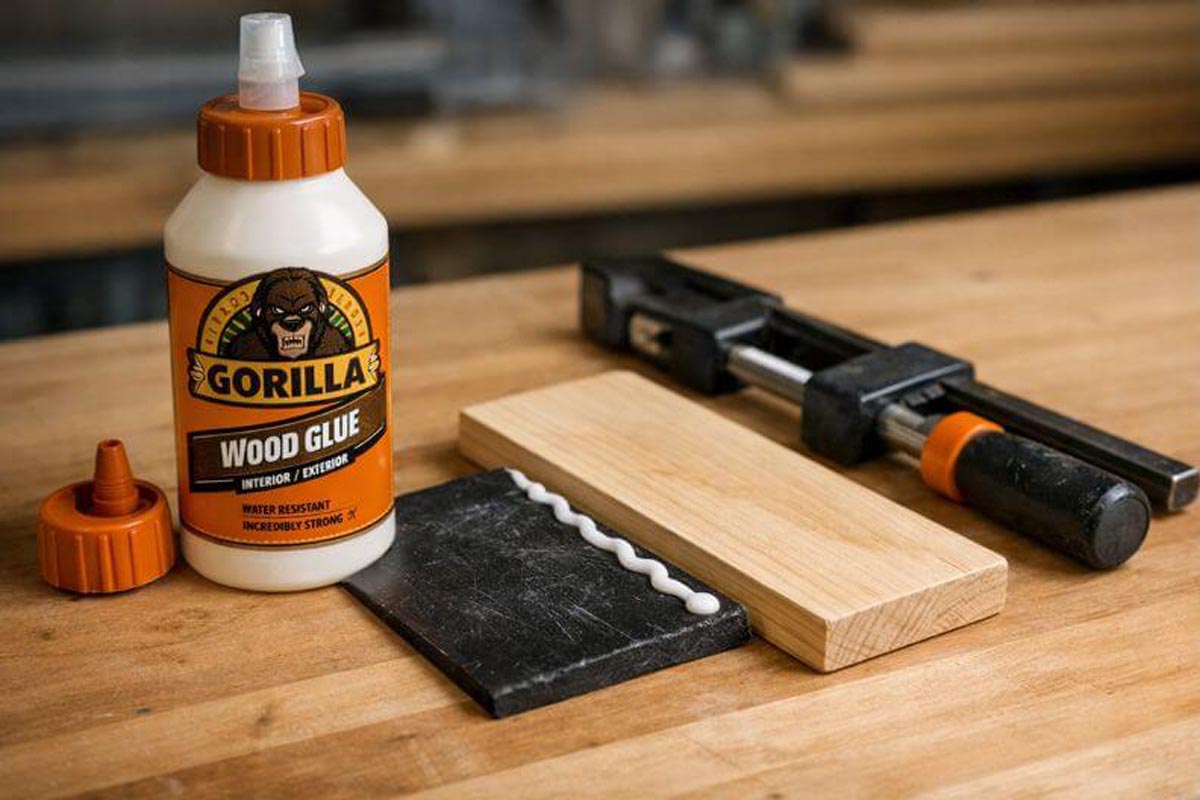
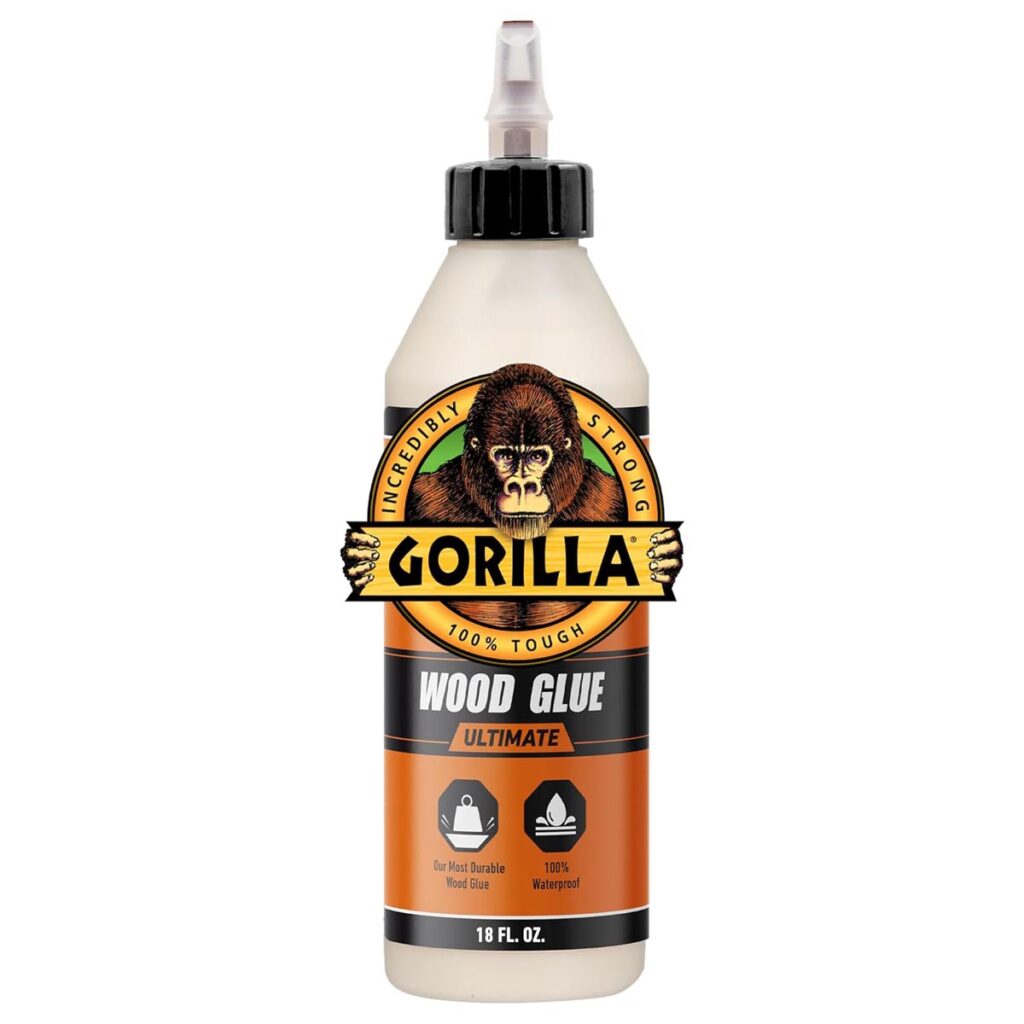
Gorilla Wood Glue usually doesn’t work well on plastic—it may grab briefly on some rigid plastics with heavy sanding and clamping, but it’s not a reliable long-term bond (especially on PP or PE).
Gorilla Wood Glue is a PVA wood adhesive, designed to soak into wood fibers and cure into a strong glue line. Most plastics are non-porous, so the glue can’t bite in the same way, and peeling failure is common.
If you’re trying to attach plastic to wood for anything that will be handled, flexed, or exposed to moisture, you’ll usually get a longer-lasting result with a plastic-rated adhesive instead.
Contents Here
- 1 Quick reality check: when it can hold and when it’s a bad idea
- 2 Why PVA wood glue usually fails on plastic
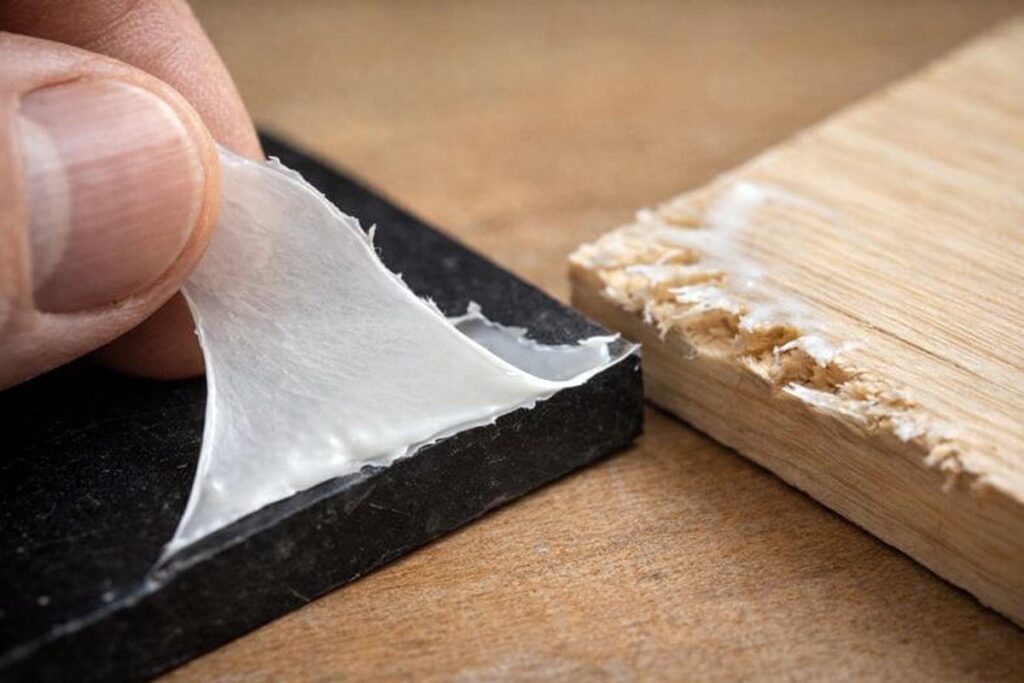
- 3 Plastic compatibility: what you can expect by plastic type
- 4 If you still want to try Gorilla Wood Glue on plastic, do it like a test
- 5 Better choices than Gorilla Wood Glue for plastic-to-wood bonding
- 6 A reliable way to glue plastic to wood (step-by-step)
- 7 Common mistakes and easy troubleshooting
- 8 Conclusion
Quick reality check: when it can hold and when it’s a bad idea
There are a few situations where Gorilla Wood Glue can “seem fine” on plastic:
- The plastic is rigid (not flexy).
- The joint has almost no load and no peel stress.
- The surfaces are scuffed and tightly clamped.
- The project stays indoors and dry.
It becomes a bad idea fast when:
- The plastic flexes, even slightly (storage totes, buckets, many trims).
- The joint can be peeled apart (a corner lift, a tab, an edge).
- Heat or water gets involved (bathrooms, kitchens, garages, outdoors).
- The plastic is polypropylene (PP) or polyethylene (PE), which are notoriously slick.
If you’re deciding whether this joint is “light duty” or not, compare it against how much load a typical glued joint can carry by checking how much load a typical glued joint can carry. And if you’re wondering what this specific glue does best, real strength expectations for Gorilla’s PVA formula will keep your expectations grounded.
Why PVA wood glue usually fails on plastic
PVA glue works because wood is porous. When you clamp wood properly, glue squeezes thin, wets the surface, and keys into tiny open fibers as it cures. That’s why a tight-fitting wood joint can be incredibly strong.
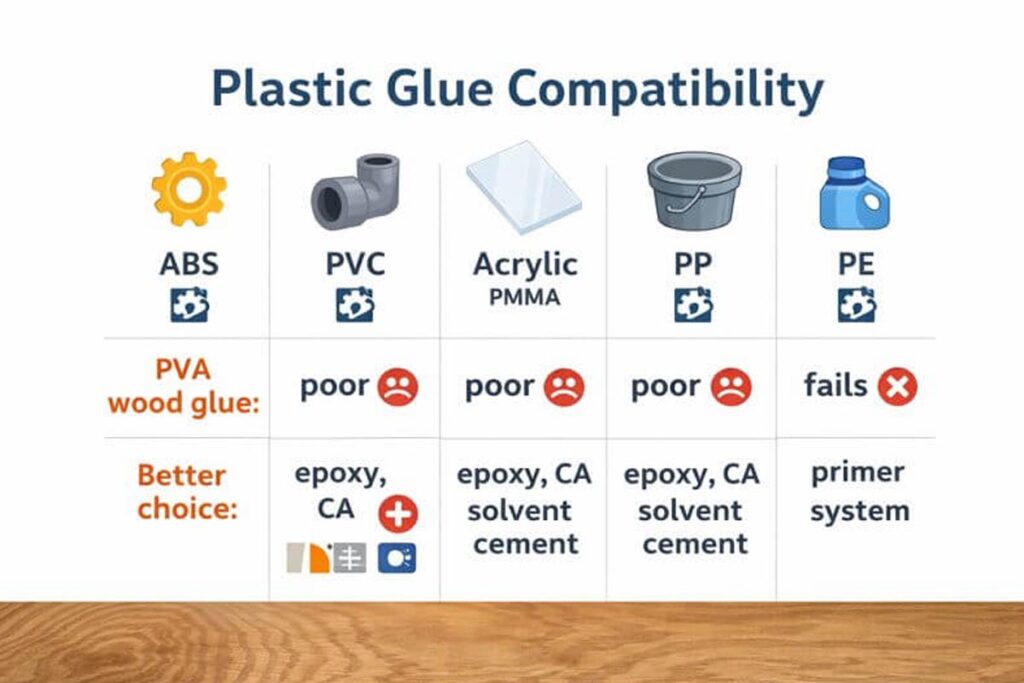
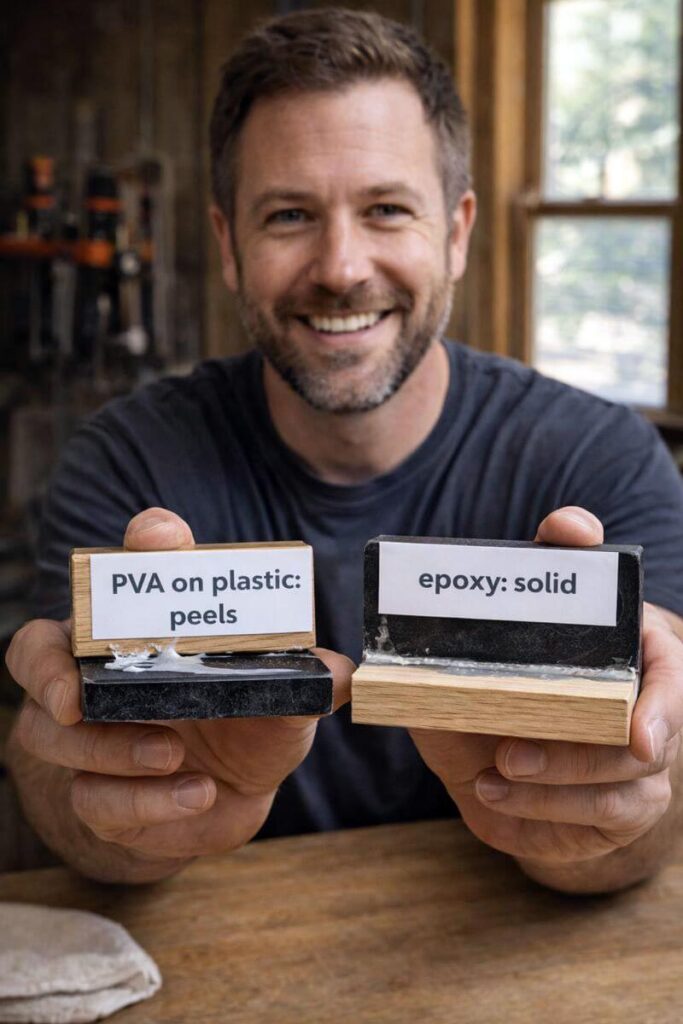
Plastic doesn’t offer that structure. Many plastics are smooth, chemically resistant, and low-energy at the surface, so water-based PVA struggles to wet and grip. The glue often dries into a film that looks bonded, but it can shear or peel with very little force.
If you want the short “why,” this explanation pairs well with what PVA glue actually is and why it works in wood fibers.
Plastic compatibility: what you can expect by plastic type
Plastic isn’t one material. The resin matters more than the brand of glue.
Plastics that almost always disappoint (PP and PE)
Polypropylene (PP) and polyethylene (PE) show up in buckets, storage bins, cutting boards, many outdoor parts, and lots of molded household items. These plastics are slick and flexible, and PVA rarely holds them in a trustworthy way.
If the part is PP/PE and the repair matters, plan on:
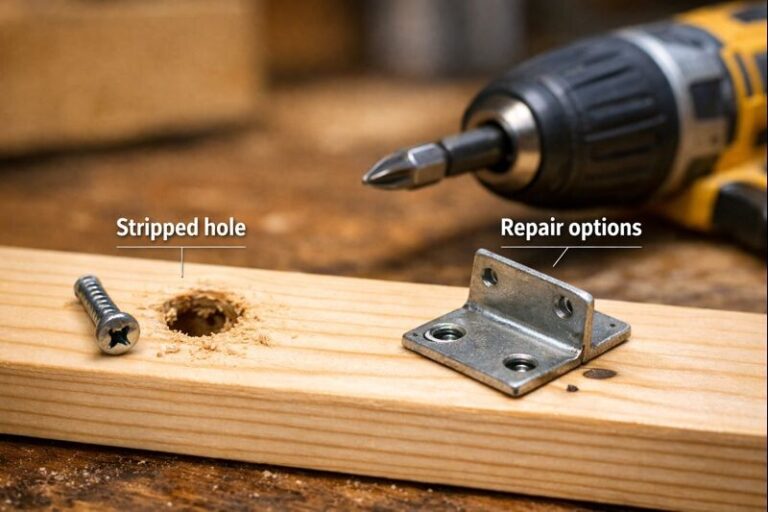
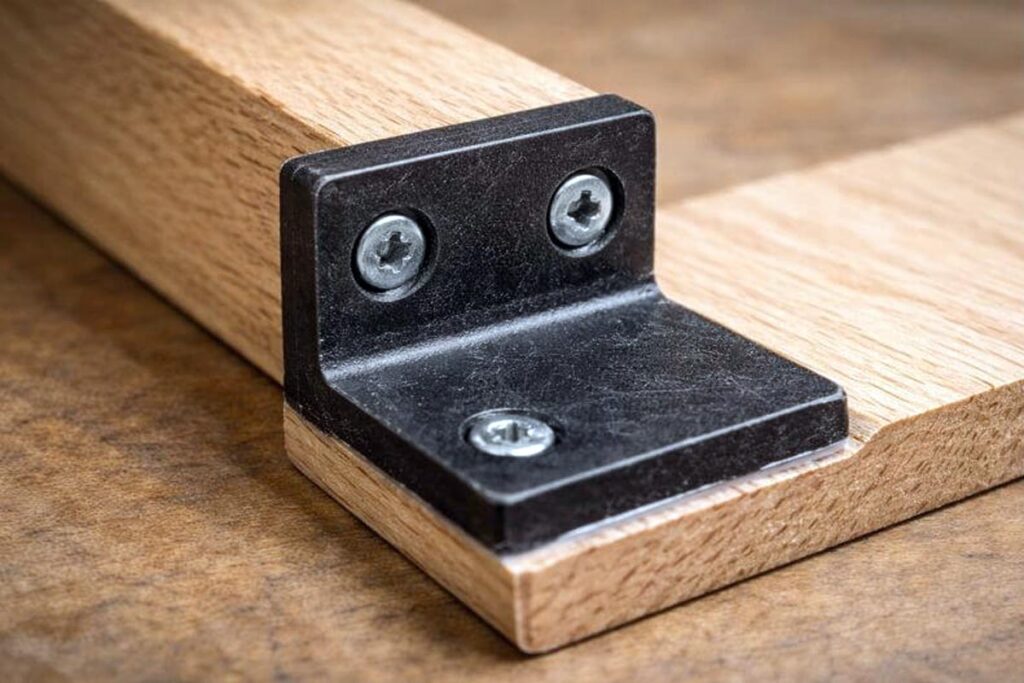
- Mechanical fasteners (screws, rivets, brackets), or
- A specialty adhesive made for low-surface-energy plastics, often with a primer.
Plastics that may “grab” lightly with prep (ABS, PVC, acrylic)
ABS and PVC are more cooperative than PP/PE, and acrylic is rigid enough to feel promising. With sanding and clamping, Gorilla Wood Glue can sometimes cling long enough to fool you during a dry test.
The problem is durability. The bond can let go later from vibration, a bump, a temperature swing, or a little moisture. If it’s a display piece that never gets touched, you might accept that risk. For anything functional, choose a better adhesive.
A practical compatibility snapshot
Here’s how it usually plays out in the shop:
- ABS (tool housings, some toys): PVA may cling weakly; epoxy or CA is better.
- PVC (pipe, trim): PVC cement or epoxy outperforms PVA by a mile.
- Acrylic/PMMA (clear panels): acrylic cement or epoxy; PVA often pops off.
- Polystyrene (models, packaging): plastic cement is often the right move.
- PET (bottles, some parts): variable; epoxy usually beats PVA after scuffing.
- Nylon (some hardware, gears): tricky; epoxy designed for plastics helps most.
If you still want to try Gorilla Wood Glue on plastic, do it like a test
Sometimes you’re mid-project and you’ve only got one bottle on the bench. If you’re going to try it anyway, make the attempt as strong as possible and keep it low-stakes.
- Identify the plastic if you can: Look for a stamp or resin code. If it says PP or PE, don’t waste much time.
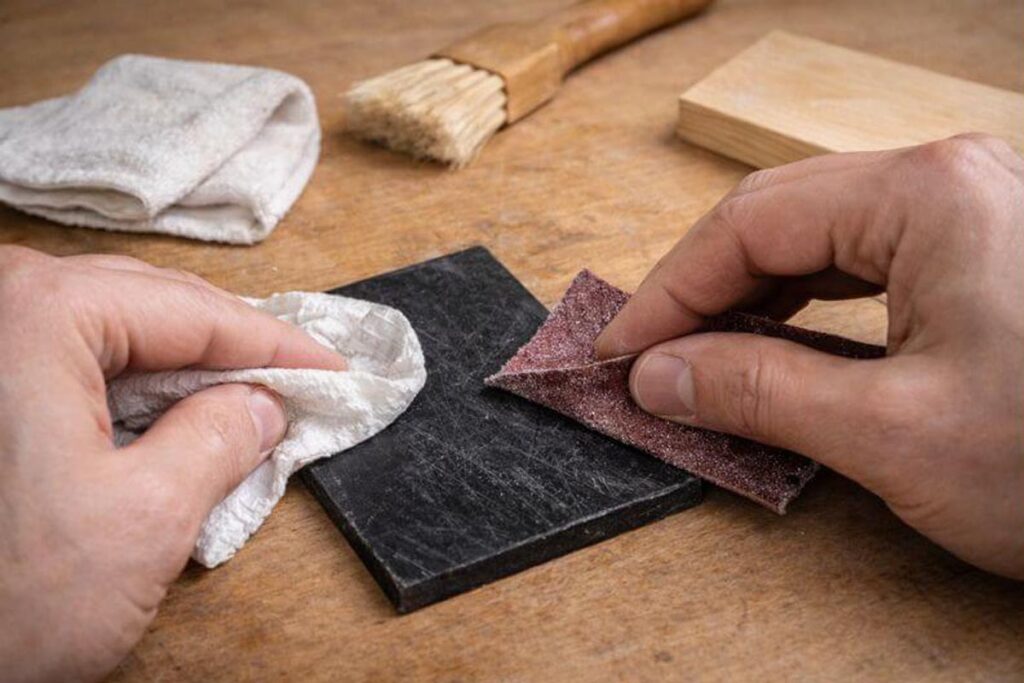
- Wash and degrease first: Warm soapy water, dry completely, then wipe with isopropyl alcohol. Oil is the silent bond-killer.
- Scuff the plastic for “tooth”: Use 120–220 grit. You want visible scratch pattern, not a polished shine.
- Lightly scuff the wood too: A quick pass removes burnished fibers and helps wetting.
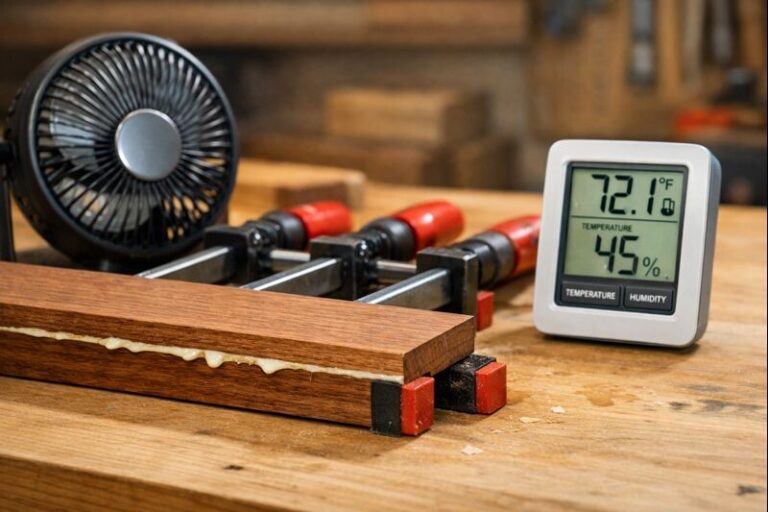
- Use a thin glue line and firm clamping: PVA likes tight joints, not thick blobs. Pressure matters, and movement kills early strength.
For the clamp side of things, follow clamping time that keeps joints from creeping and when it’s safe to pull clamps without weakening the bond. Those articles are written for wood, but the timing discipline still helps here.
- Wait for full cure before trusting it: Plastic joints can feel “dry” but still peel easily. Give it the same patience you’d give a real glue-up, based on full cure timelines before you trust the repair.
- Peel-test it before putting it in service: Try to lift an edge with your fingers. If it starts peeling, it’s telling you the truth.
Better choices than Gorilla Wood Glue for plastic-to-wood bonding
If you want the repair to last, pick the adhesive based on the plastic and the job.
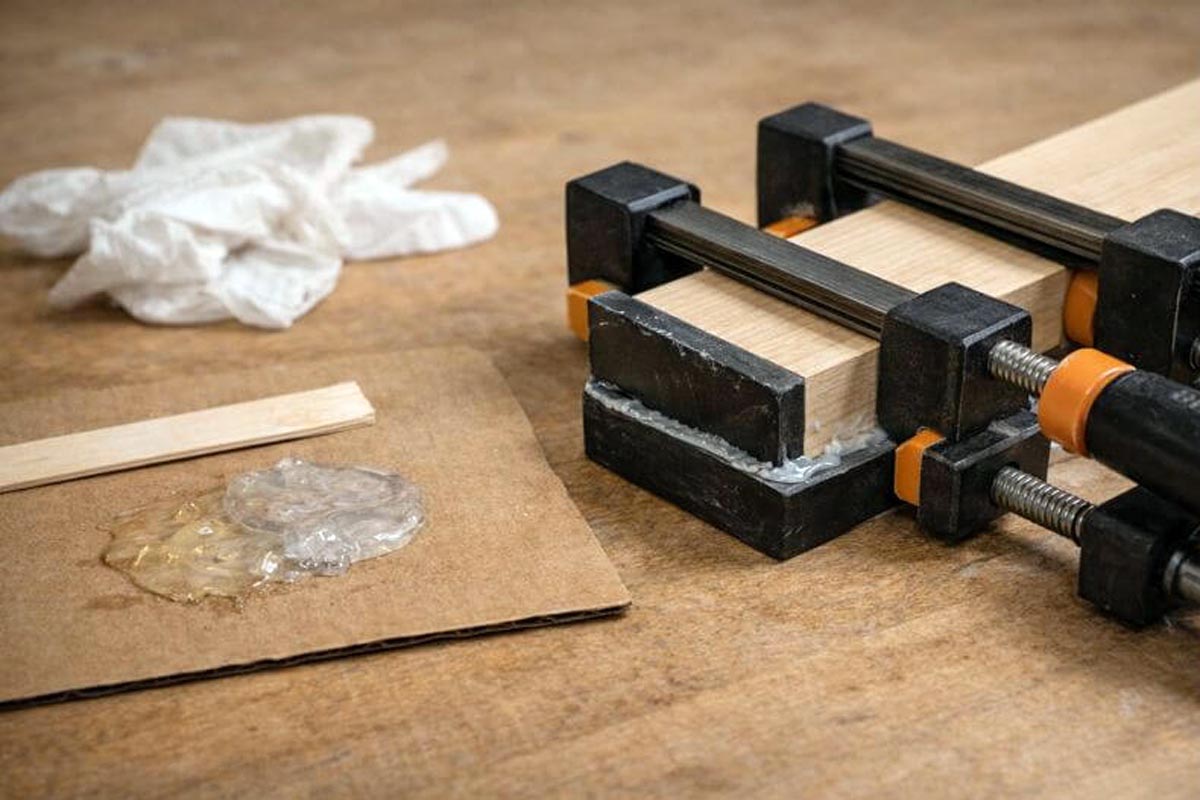
Epoxy: strong, gap-filling, and forgiving
Two-part epoxy is usually the safest “one adhesive for many plastics” option. It fills small gaps, cures tough, and handles moisture better than PVA. It’s my first pick for plastic-to-wood joints that carry load or see handling.
Use epoxy when:
- The fit isn’t perfect.
- You need strength and durability.
- The joint will be bumped or stressed.
CA (super glue): great for small, tight-fitting hard plastics
Cyanoacrylate bonds fast and clean, especially on rigid plastics with tight contact. It can be brittle, so it’s not ideal for flexing parts. For a small tab, trim, or alignment repair, it often beats PVA immediately.
Use CA when:
- The joint is tiny and tight.
- You need quick handling strength.
- The plastic won’t flex.
Polyurethane glue: useful, but clamp it well
Polyurethane glue (often sold as “Original” Gorilla Glue, not the wood glue) can bond a wider range of materials than PVA. It also expands as it cures, which can push parts apart if clamping is weak. It’s better than PVA in some plastic-to-wood cases, but it’s still not universal.
Use polyurethane when:
- Moisture resistance matters.
- You can clamp firmly and control squeeze-out.
Plastic solvent cement: best when it matches the resin
Solvent cements don’t behave like normal glues. They soften certain plastics and fuse them. If you’re working with PVC or ABS, the correct cement can be stronger than almost anything else because it’s closer to a weld than a glue line.
Use solvent cement when:
- The plastic is PVC or ABS and you have the correct cement.
- You want a permanent plastic-to-plastic bond (then fasten to wood separately).
A reliable way to glue plastic to wood (step-by-step)
When someone asks me for a “won’t fail” method, this is the process.
- Decide what the joint must survive: Weight, peel stress, flex, heat, and water decide the adhesive.
- Choose the adhesive for the plastic first: Wood bonds easily. Plastic is the limiting factor.
- Prep both surfaces: Degrease, scuff, and remove dust. Don’t touch cleaned plastic with bare fingers.
- Dry fit and plan your clamping: Have clamps, cauls, tape, and alignment blocks ready.
- Apply adhesive correctly:-
- Epoxy: enough to wet both surfaces, plus a thin bed for gaps.
- CA: thin film, tight fit, steady pressure.
- Polyurethane: light moisture and firm clamping.
- Respect set time and cure time: If you’ve ever been burned by a joint that “felt dry,” you already know why this matters. It helps to keep the terms straight using the difference between ‘set’ and ‘cured’ and how long glued parts need before handling.
- Reinforce when you can: A small screw, a hidden bracket, or a dowel pin often turns a risky bond into a permanent fix.
Common mistakes and easy troubleshooting
Mistake: Skipping cleaning.
Fix: Wash, alcohol wipe, and let it dry fully.
Mistake: Sanding too smooth.
Fix: Use 120–220 grit and leave a clear scratch pattern.
Mistake: Trying PVA on PP/PE and hoping for the best.
Fix: Switch to a low-surface-energy solution or use fasteners.
Mistake: Not clamping firmly, or disturbing the joint early.
Fix: Re-clamp and don’t move it until fully cured.
Mistake: Rushing the dry time with heat.
Fix: If you’re tempted to speed things up, use safe ways to speed drying without ruining the joint and avoid warping plastics with high heat.
Mistake: Using old, stringy glue.
Fix: Replace the bottle if it’s questionable. This checklist for signs your bottle has gone bad saves a lot of frustration.
Conclusion
Gorilla Wood Glue can sometimes cling to certain rigid plastics, but it’s rarely a repair you should trust. Plastic type matters, surface prep matters, and peel stress will find weak bonds quickly.
For most plastic-to-wood jobs, epoxy, CA, polyurethane, or a plastic-specific cement will give you a stronger, longer-lasting result.