
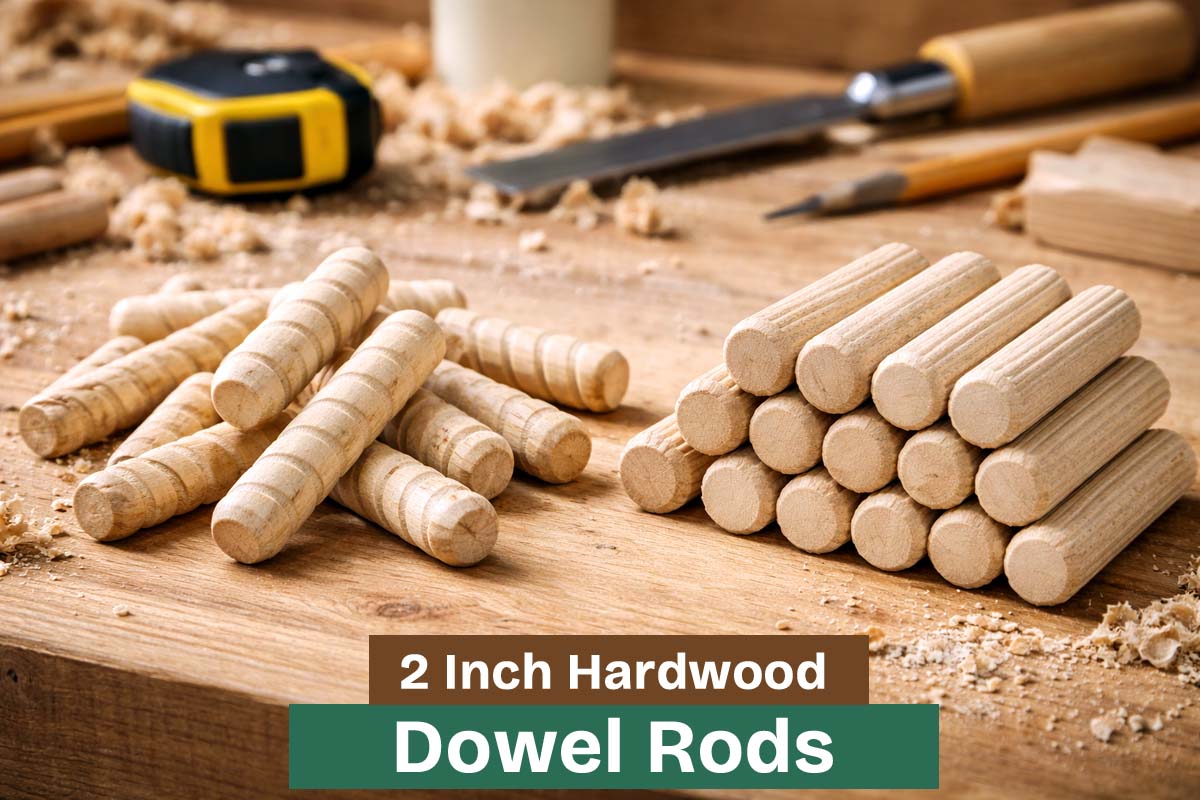
A 2 inch hardwood dowel is a thick, round hardwood rod that works best for sturdy, clean-looking parts like closet rods, furniture legs, and shop fixtures because it offers strong support, a comfortable grip, and easy finishing.
This guide breaks down what matters before you buy or cut anything. I’ll cover how “2 inch” sizing works, which hardwood species fit different jobs, what specs to check on product pages, and how to cut, drill, and join a large dowel without splitting it. If you’re building a closet rod, furniture part, shop fixture, or a one-off jig, you’ll leave with a clear way to choose the right dowel and get a clean result.
Use this guide to choosing hardwood dowel rods to compare species, straightness, and sizing details before you order a large 2-inch dowel for a tight-fit project.
Quick Checklist: Top Rated 8 2-Inch Hardwood Dowel Rods
- Generic 2 inch Maple Wood Dowels
- ALBO 2 inch Fluted Wood Dowels Rods
- Rhino Wood Industries 2 Inch Wooden Dowel Pins
- PXBBZDQ 2 Inch Fluted Grooved Hardwood Dowel Pins
- PATIKIL 2 Inch Natural Hardwood Dowel Pins
- HARSKIYER 2 Inch Hardwood Dowel Pins
- MECCANIXITY 2 Inch Wooden Dowel Pins
- UNIQANTIQ HARDWARE SUPPLY Spiral Grooved Hardwood Dowel Pins
What a 2-inch hardwood dowel is and what “2-inch” really means
A 2-inch hardwood dowel is a round, hardwood rod with a listed diameter of 2 inches. Sellers often list diameter and length first because those two numbers drive fit and shipping. The detail that trips people up is actual size. Some dowels measure exactly 2.000 inches. Others land a little under or over, depending on how they’re milled and sanded.
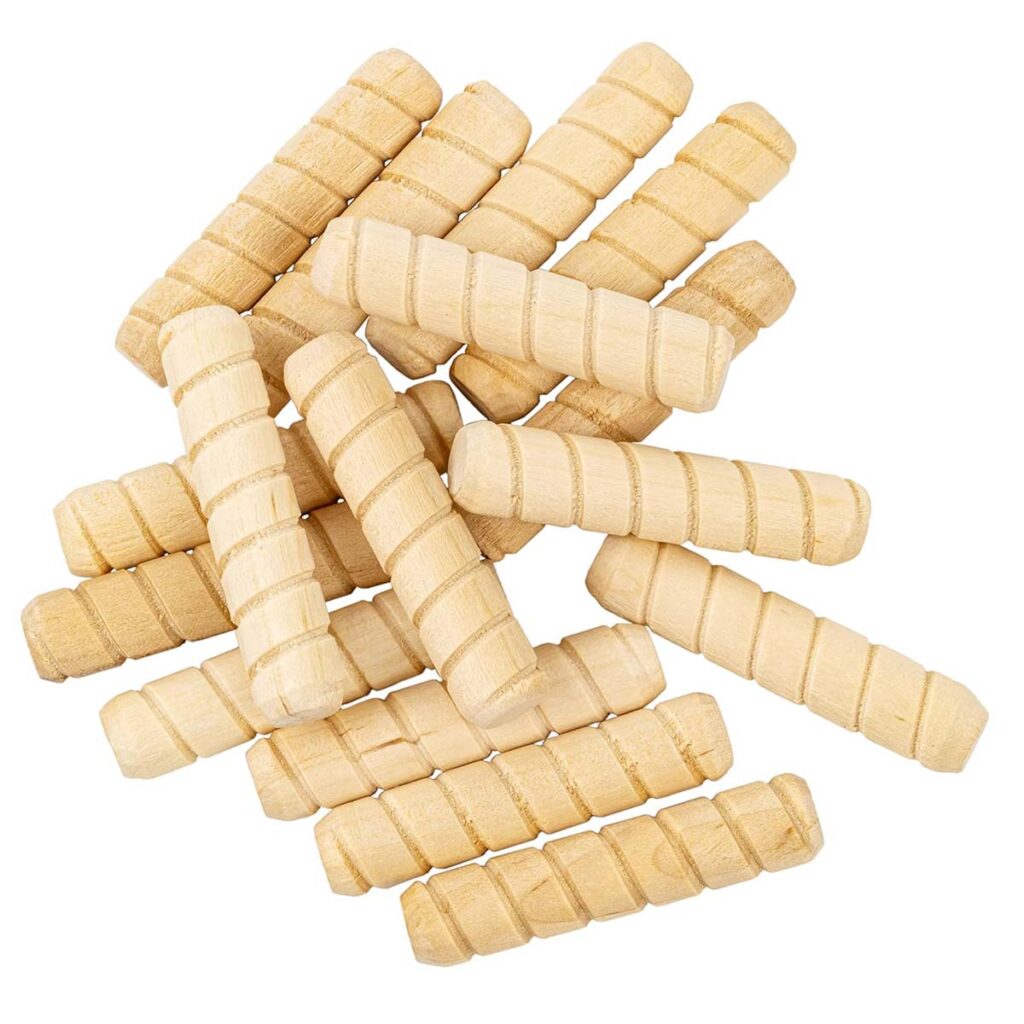
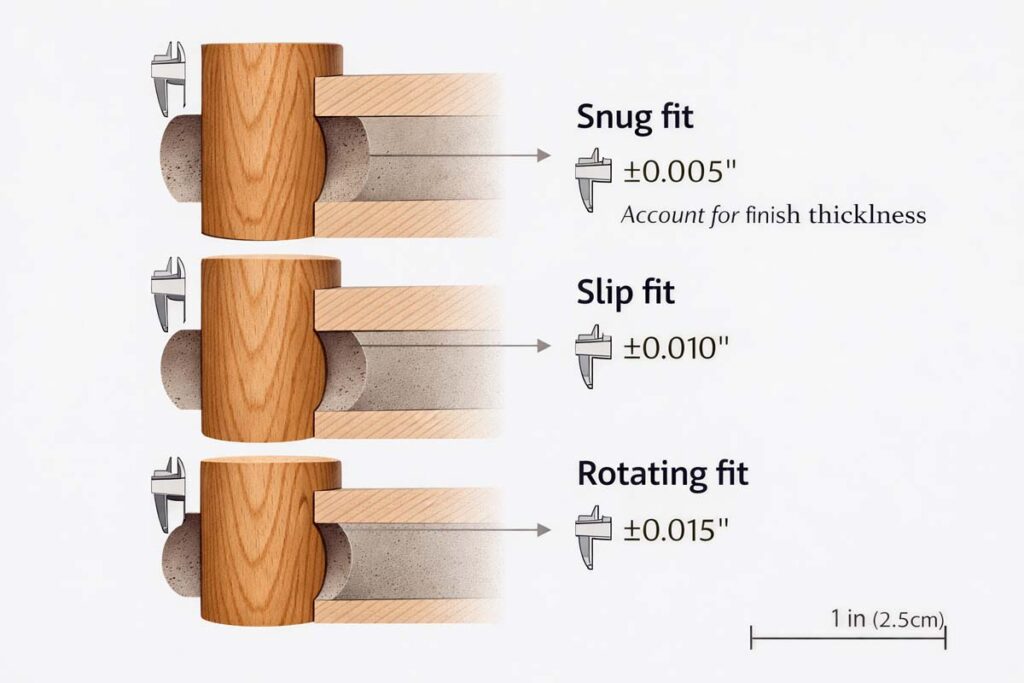
In practical shop terms, “2 inch” is the target diameter. Your project needs the real diameter because a tight socket fit, a rotating fit, and a slip fit all call for different clearances.
Common buying formats you’ll see online
You’ll see 2-inch dowels sold in a few predictable ways.
- Single dowels in common lengths, often 36 inches or 48 inches
- Bundles or multi-packs for repeated builds
- Bulk pricing tiers for shops or classrooms
- Options that specify exact lengths versus “random length” stock (on some hardwood suppliers)
Those formats matter because a long dowel ships differently than a short one. Long stock also arrives with more risk of bowing, crushed ends, or surface dents.
Hardwood species options and how they affect the project
Hardwood species changes how a 2-inch dowel behaves under load, how it dents, and how it finishes. The same diameter in two different woods feels like two different parts.
Poplar gives a smooth surface and takes paint evenly. Red oak shows open grain and looks like traditional furniture. Hard maple resists dents and holds crisp details. Some listings use terms like “northern hardwood,” which usually means a mixed hardwood species group rather than a single species.
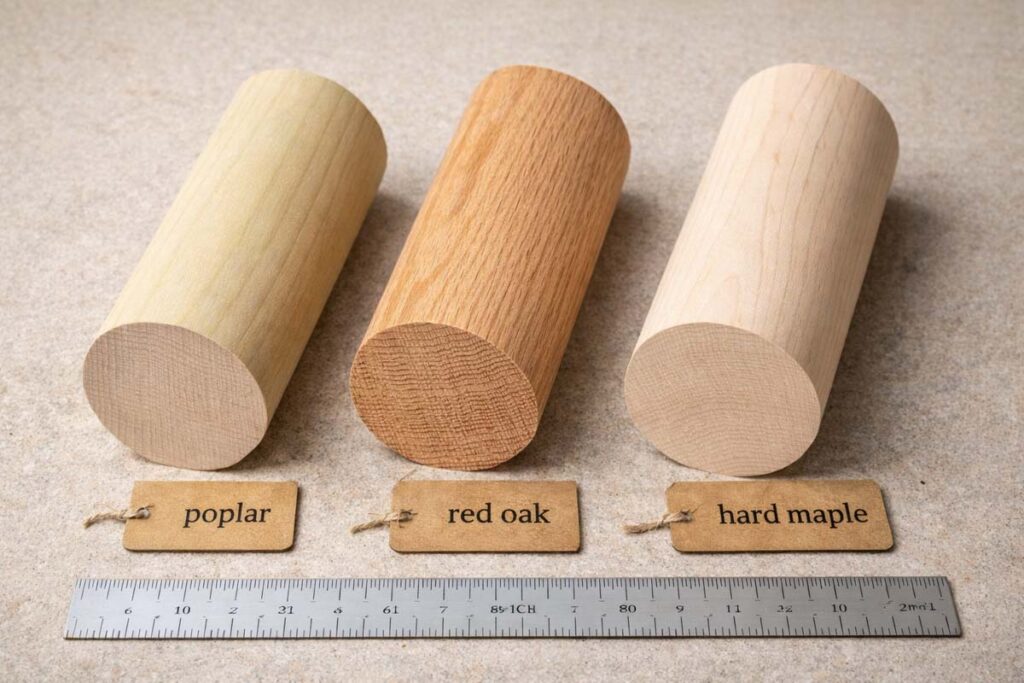
Choose the species based on what the dowel does in the build: visible vs hidden, load-bearing vs decorative, painted vs clear finished.
Poplar vs oak vs hard maple
Poplar fits paint-grade work and quick shop builds. The wood cuts cleanly and sands fast. It dents easier than harder species, so it fits projects that don’t take abuse.
Red oak fits builds where you want visible grain. The open pores telegraph through clear finishes and many stains. That grain also shows through paint unless you fill it first.
Hard maple fits high-wear parts. The surface resists dents and scuffs better than softer hardwoods. It also looks clean under clear finishes when you prep it well.
Specs that matter on a 2-inch dowel
Product pages often look similar: diameter, length, wood species, and a short note like “sanded” or “unfinished.” The real quality lives in the details. A large dowel magnifies small problems. A slight oval shape becomes a sloppy fit. A subtle bow becomes a wobble.
Here’s what to check every time:
- Straightness: a straight dowel reads as straight in the hand and on a flat surface
- Roundness: a true circle matters for rotation and consistent sockets
- Sanding level: “sanded” varies from coarse to near-finish ready
- Moisture and stability: kiln-dried stock moves less after you bring it home
- End quality: crushed ends, checks, and splits cause trouble at joinery points
- Construction: solid vs laminated changes looks and stability
Tolerance and fit
A “2-inch hole” is not a single size. Bits vary, drilling pressure varies, and wood fibers compress. A tight socket fit needs a measured approach: measure the dowel, then match the hole to that dowel.
Plan for finish thickness if the dowel seats in a socket. Paint and heavy clear coats add diameter. That extra thickness turns a perfect dry-fit into a stuck joint.
If you need rotation, build in clearance on purpose. If you need a glued socket, build the socket for full glue contact without forcing the dowel.
Solid vs laminated at 2 inches
At 2 inches, some suppliers use laminated construction to improve stability and yield. Laminated dowels show glue lines and repeated grain patterns. Solid dowels show continuous grain.
Laminated construction often stays straighter during shipping and storage because the glue-up balances wood movement. Solid stock looks cleaner under clear finish when the grain reads as one piece.
The choice matters most when the dowel stays visible under a clear finish or when you machine it heavily on a lathe. For painted work, laminated stock performs well and hides under primer.
Length, shipping, and damage risk
A long dowel acts like a spring during shipping. That bounce leads to dented edges and crushed ends. Bowing also shows up more often in longer lengths.
Inspect the dowel as soon as it arrives.
- Roll it on a flat surface to spot a bow
- Sight down the length like you sight a board
- Check both ends for cracks and checks
- Look for flat spots that suggest oval shaping
If the dowel arrives slightly bowed, cut it into shorter parts when the project allows. Short parts reduce wobble and reduce the visible bend.
Best uses for a 2-inch hardwood dowel
A 2-inch dowel fits projects where a thick, round part improves strength, grip, or appearance. It also fits builds where a standard closet rod feels too light or too flexible.
Common uses include closet rods, curtain rods, furniture legs, stool parts, handrails, shop fixtures, wooden jigs, and repairs where you need a round, solid piece. The diameter also works for props, display stands, and some exercise or mobility projects when the wood quality supports the load.
Match the use to the wood and the support method. A long span with no bracket support stresses even a thick dowel.
When a 2-inch dowel is the wrong choice
A 2-inch dowel does not fit standard dowel joinery. Most dowel jigs and common dowel pins run far smaller.
A long 2-inch span still flexes if the load increases or the supports sit too far apart. Add brackets or intermediate supports for long rods.
Outdoor use needs a different plan. Wood outside faces water, sun, and movement. An exterior-rated finish and routine maintenance become part of the project.
If you need dead-straight performance over a long distance, engineered solutions sometimes deliver better straightness than solid wood.
How to cut, drill, and join a 2-inch dowel without splitting
Large round stock fights back when it rolls. The key is control: stable support, sharp tools, and clean layout lines. Splits and tearout usually come from two issues: poor support and aggressive cutting.
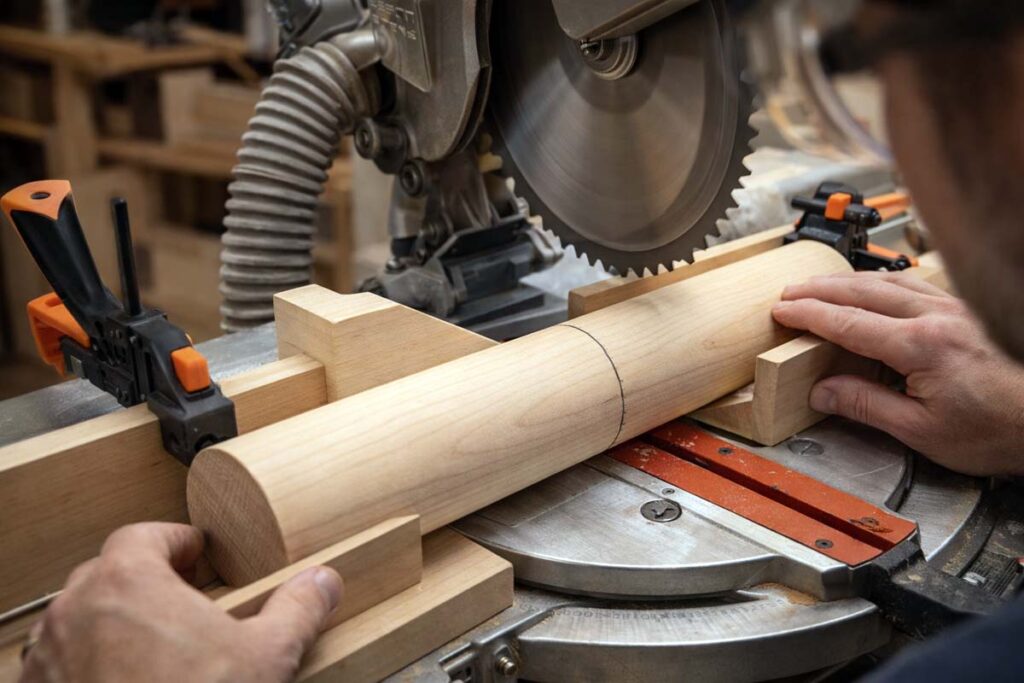
Work with the dowel fully supported on both sides of the cut. Clamp it so it cannot rotate. Use a sharp blade or bit. Keep hands away from pinch points and spinning stock.
Beginner-safe cutting method for clean, square ends
Use a stop block and a cradle. A V-shaped cradle or a simple V-block stops rolling. Clamp the dowel in that cradle.
Mark the cut line with a square and a sharp pencil. Score the line with a knife if you need a cleaner edge. Cut slowly and keep the dowel supported.
After the cut, true the end with a sanding block on a flat surface. Rotate the dowel as you sand so the end stays square.
Safety note: a spinning dowel grabs gloves and sleeves. Keep hands clear and avoid loose clothing around saws and drills.
Drilling tips for clean holes in round stock
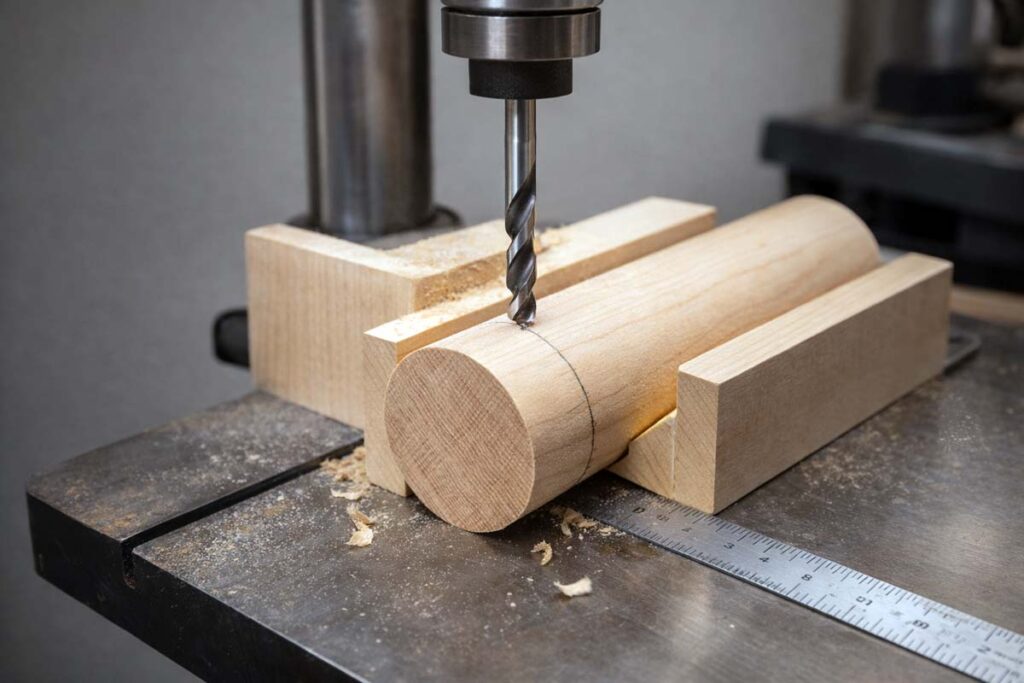
Round stock needs a stable base. A V-block or a shop-made cradle keeps the dowel from rolling and keeps the bit centered.
Start with a clear center mark. Use an awl or a punch to seat the bit point. Drill straight and steady. Back the bit out to clear chips. Support the exit side to reduce blowout.
A drill press gives the best control. If you drill by hand, brace your elbows and use a guide block when accuracy matters.
Joinery options that hold on a 2-inch dowel
Pick joinery based on the load and whether the dowel stays removable.
For a permanent assembly, a properly sized socket and a quality wood glue joint hold well when you get good surface contact. For heavy loads or repeated stress, mechanical joinery adds safety: screws, bolts, threaded inserts, or cross pins.
When you drill for fasteners, pilot holes reduce splitting. Keep fasteners away from the very end grain where the wood breaks out more easily.
Sanding and finishing: paint, stain, clear coat, and outdoor sealing
Many dowels arrive labeled “sanded,” but the surface still benefits from prep. Large dowels show scratches because light rakes across the curve.
Sand with the grain direction you see in the surface fibers. Rotate the dowel as you sand to keep the surface even. Wipe off dust before finishing.
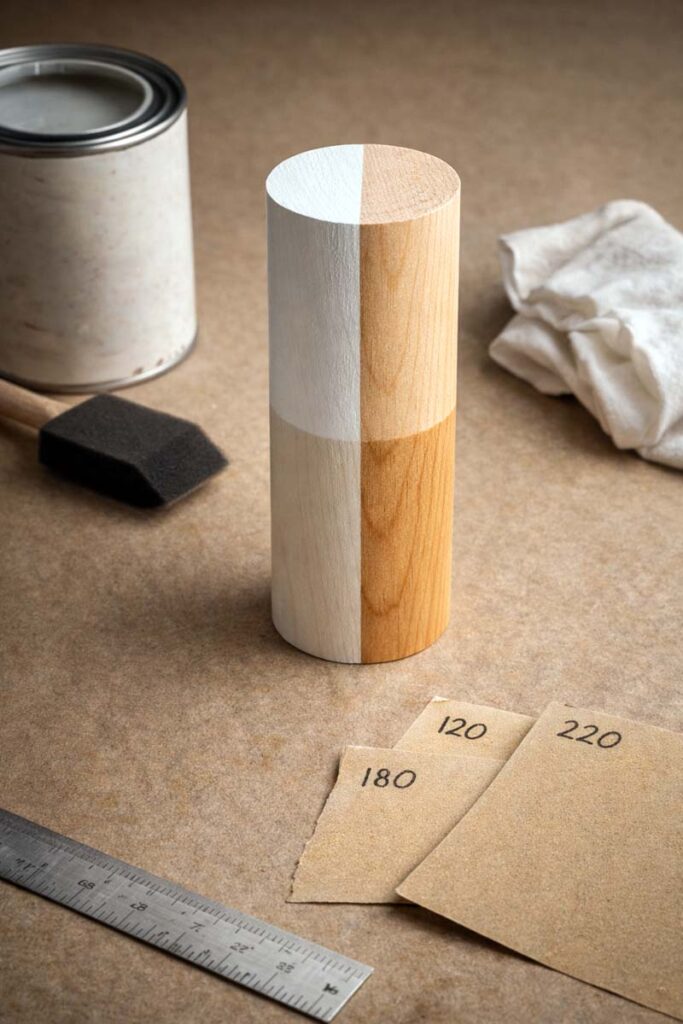
Paint sticks best after a bonding primer. Open-grain hardwoods like oak show texture under paint unless you fill the grain first. Clear finishes look best when you remove sanding scratches before the first coat.
For outdoor use, choose an exterior-rated finish and maintain it. Water finds end grain first, so seal the ends with extra care.
Finish options sellers sometimes offer
Some suppliers offer pre-finished or stained dowels. That option saves time and gives a consistent look across multiple pieces.
Pre-finishing helps when you need uniform color over a long run or when you produce several identical builds. Shop finishing fits one-off projects where you want to match an existing stain or sheen.
Either way, confirm the finish type before you glue. Some finishes interfere with glue bond unless you mask glue areas or sand back to bare wood.
Storage and handling to keep it straight
A 2-inch dowel stays straighter when it rests evenly supported.
Store it flat with multiple supports along the length. Keep it away from heat vents, direct sun, and damp concrete floors. Let it acclimate in the project space before final fitting, especially when the dowel seats into tight sockets.
If you see a slight bow, rotate the dowel and support it so the bow faces up. Time and stable humidity reduce movement. Cutting into shorter parts also reduces the problem when the design allows.
Reviews of the 8 Best 2 Inch Hardwood Dowel Rods
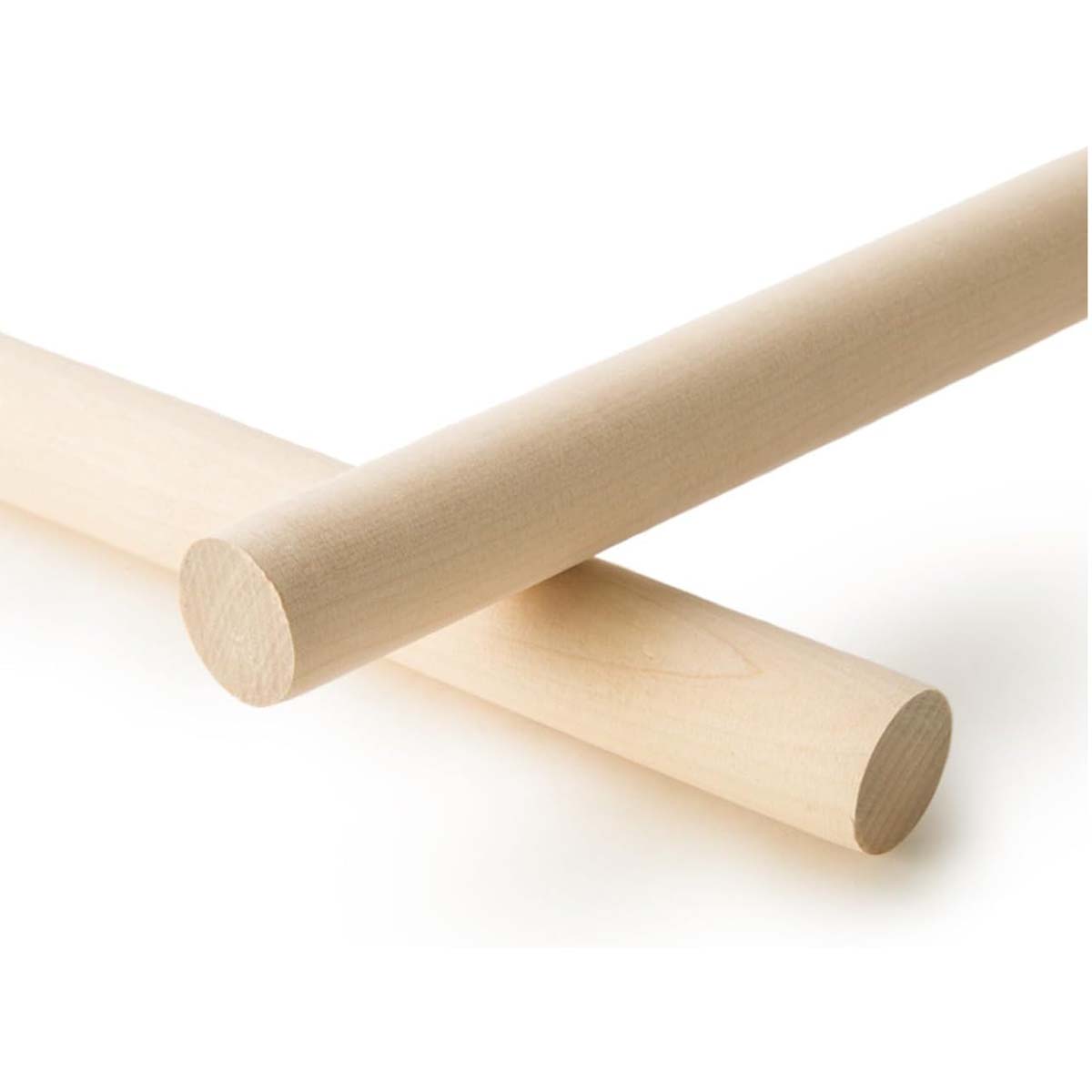
Generic 2 inch Maple Wood Dowels
Generic 2 inch diameter maple style dowel rod for painted builds
This is the only option here that matches what most people mean by “2 inch hardwood dowel” as in 2 inches thick.
$29.04 at AmazonAt 36 inches long, it fits closet rods, shop jigs, and chunky furniture parts where diameter adds stiffness and a solid grip. The listing mentions oak, birch, or maple, so treat species as variable and plan your finish after you confirm what arrives. The smooth, unfinished surface takes paint, stain, and decoration well, which suits craft and decor work too. The honest limitation is consistency, since “generic” listings sometimes vary in wood type and straightness from batch to batch, so measure and sight it before committing to tight-fit sockets.
Specifications
- Size: 2 inch diameter x 36 inch length
- Finish: unfinished, smooth
- Material: oak, birch, or maple (varies)
- Pieces: 1 dowel rod
- Shape: round/pillar
Pros
- True large diameter for sturdy parts
- Unfinished surface accepts paint or stain
- Good length for cut-to-fit projects
- Works for decor and utility builds
Cons
- Wood species and consistency may vary
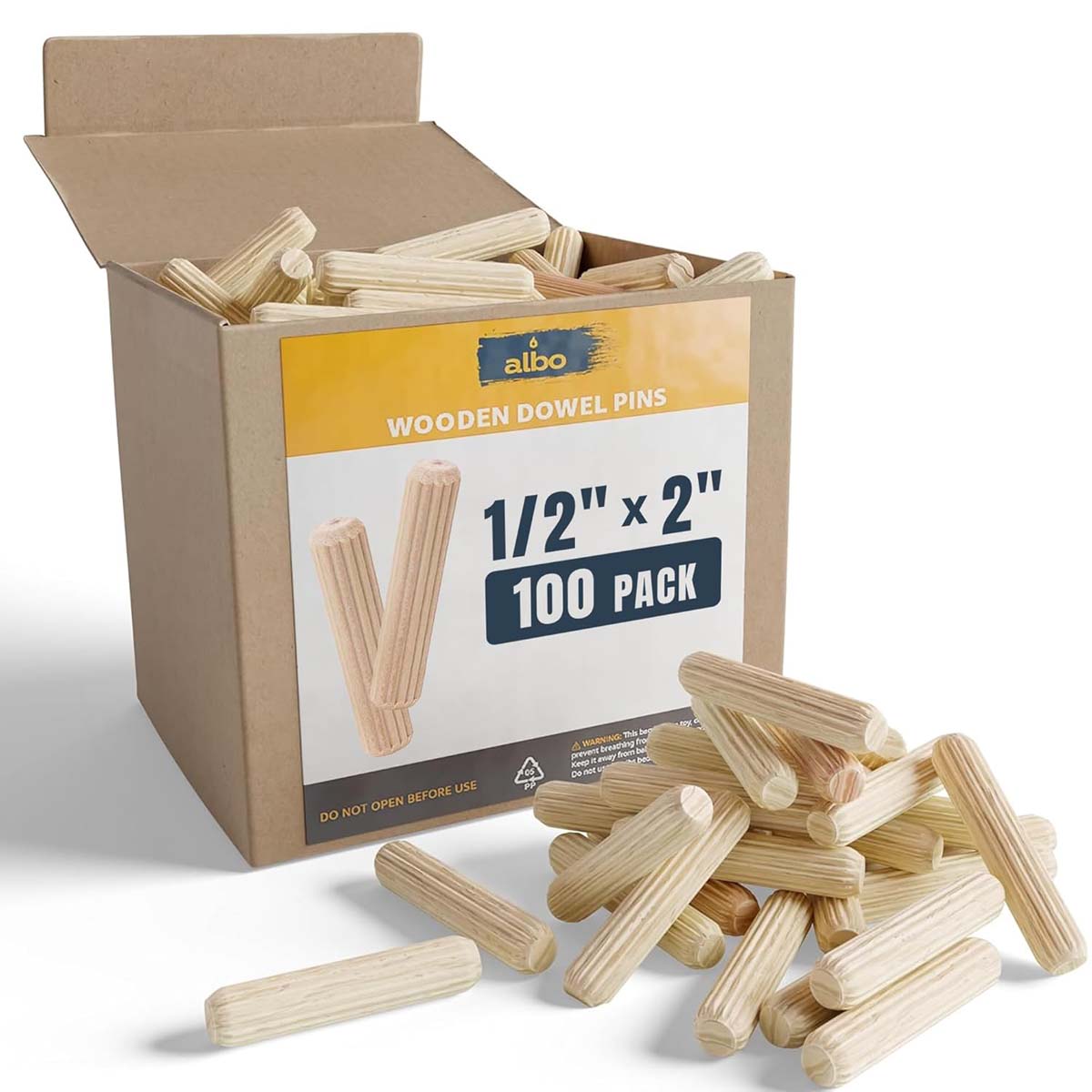
ALBO 2 inch Fluted Wood Dowels Rods
ALBO fluted birch dowel pins for furniture repairs and cabinet alignment
These are 2 inch long dowel pins, not 2 inches thick, and that makes them a joinery supply rather than a rod. The flutes matter because they give glue somewhere to go, which reduces hydraulic lock and helps the pin seat fully.
$16.99 at Amazonhe birch is kiln dried, and the brand calls out FSC-related standards, which signals a more controlled supply chain than many generic packs. For cabinets, stools, shelves, and quick repairs, the 100-piece pack supports repeated work without hunting for matching pins. The honest limitation is that wood moves in storage, so diameter can drift slightly. Measure a few pins and drill to the real fit instead of trusting the nominal size.
Specifications
- Size: 1/2 inch diameter x 2 inch length
- Finish: unfinished
- Material: kiln-dried birch
- Pieces: 100
- Design: fluted
Pros
- Flutes improve glue flow and seating
- Kiln-dried birch stays more stable
- Good quantity for repeat repairs
- Packaging stores cleanly
Cons
- Diameter may vary slightly over time
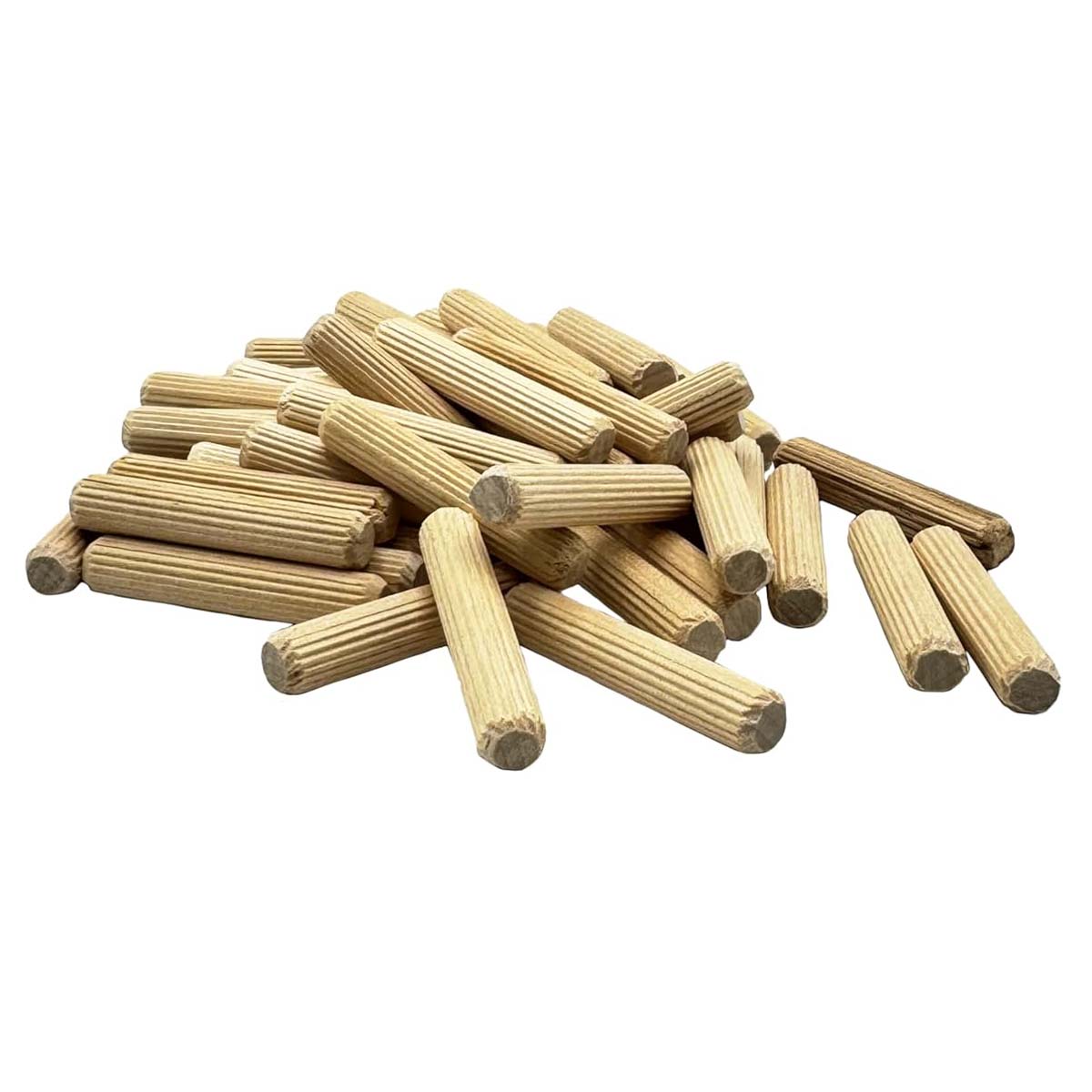
Rhino Wood Industries 2 Inch Wooden Dowel Pins
Rhino Wood Industries birch dowel pins for glue-ready joinery
These 3/8 inch by 2 inch fluted birch pins suit everyday woodworking joinery like chair repairs, shelving, and cabinetry.
$12.99 at AmazonThe flutes spread glue more evenly and help trapped air escape, which improves seating. I also like the chamfered ends because they start cleanly, especially when your holes are close but not perfect. The storage bag helps keep moisture swings down, which reduces swelling in damp shops. The honest limitation is the “non food safe” note, so I would not use these for cutting board repairs or food-contact projects. For furniture and shop builds, this pack covers a lot of joints while keeping insertion easy for beginners.
Specifications
- Size: 3/8 inch diameter x 2 inch length
- Finish: unfinished
- Material: kiln-dried birch
- Pieces: 100
- Features: fluted, chamfered ends
Pros
- Chamfers start straight and reduce splitting
- Flutes help distribute glue
- Bagged packaging helps storage
- Good fit for common 3/8 joinery
Cons
- Not intended for food-contact projects
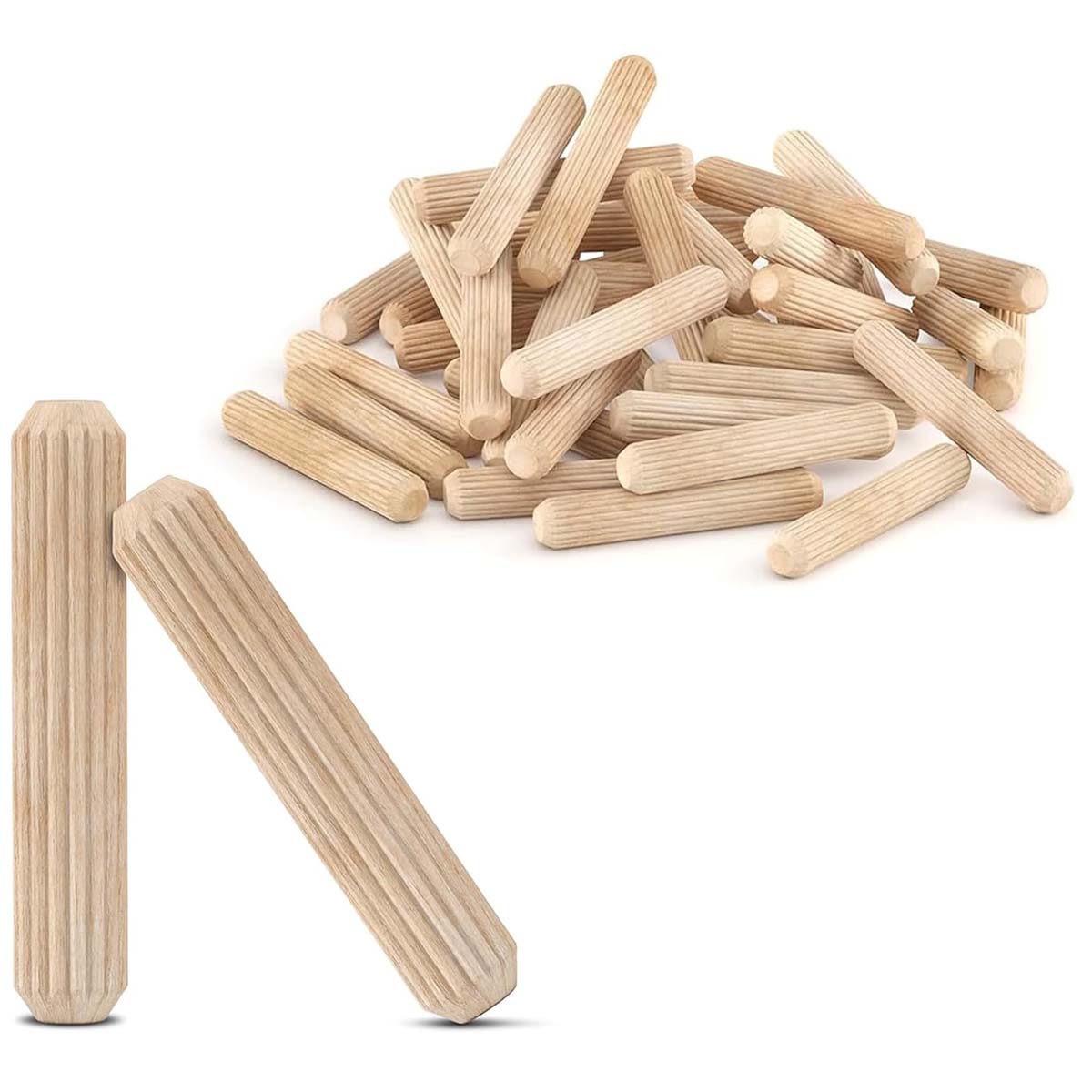
PXBBZDQ 2 Inch Fluted Grooved Hardwood Dowel Pins
PXBBZDQ grooved hardwood pins for heavy-duty shelf joints
This pack targets strength by using dense hardwood and deeper grooves, which helps glue grip and reduces trapped air.
$12.99 at AmazonThe listed size is 3/8 inch by 2 inch, so it matches a standard drill bit and works for shelves, tables, and chair repairs where you want repeatable holes. The claim about groove performance is marketing language, so I treat it as “grooves help,” not a guaranteed percentage improvement. The honest limitation is quality control risk with any bulk pack, since a few pins can be slightly oversize. A quick test fit in a scrap hole saves headaches and prevents split holes during assembly.
Specifications
- Size: 3/8 inch diameter x 2 inch length
- Finish: unfinished
- Material: dense hardwood
- Pieces: 100
- Design: fluted, grooved
Pros
- Grooves help glue bond and seating
- Standard size for common drill bits
- Good quantity for multiple projects
- Suits stronger furniture joints
Cons
- Occasional sizing variance can happen
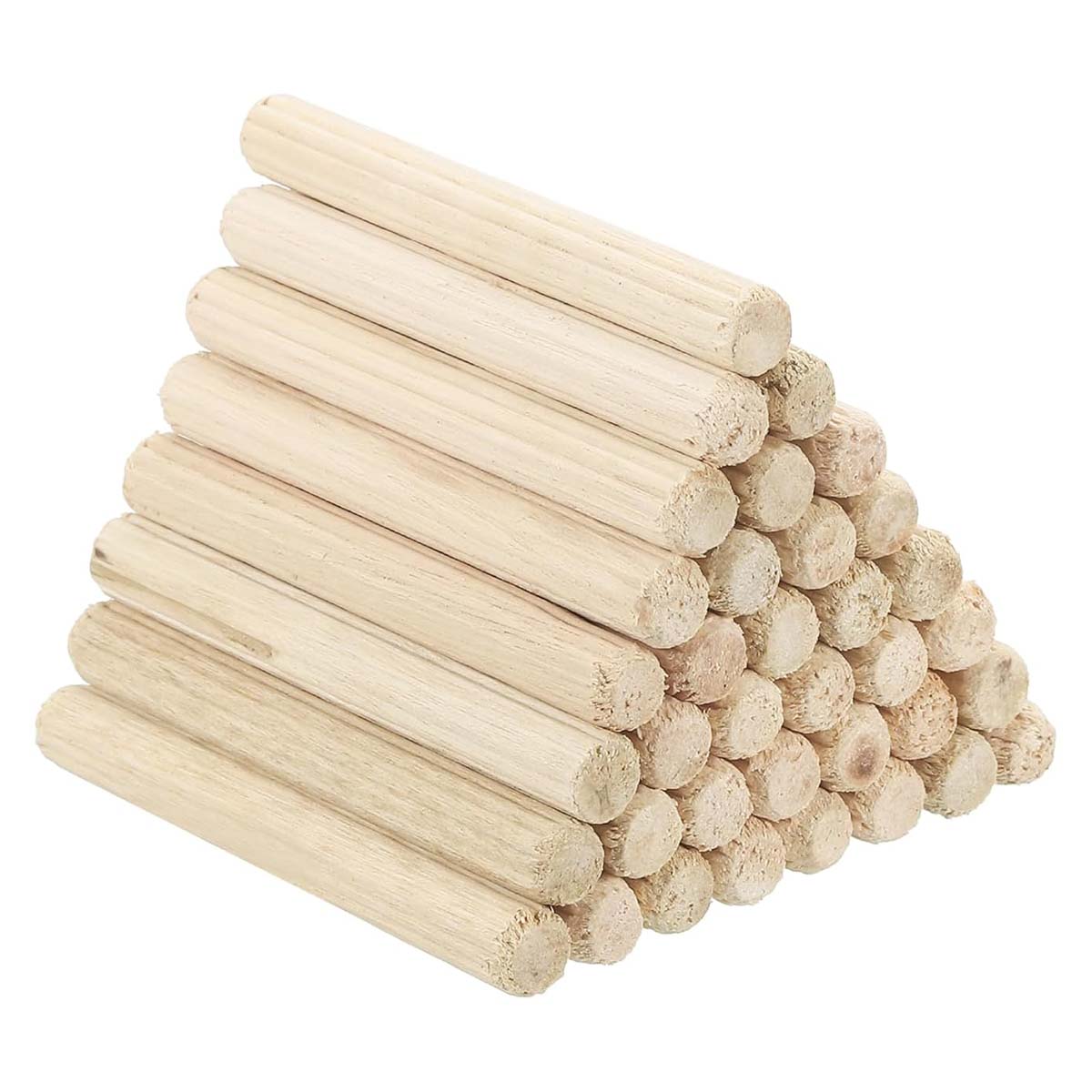
PATIKIL 2 Inch Natural Hardwood Dowel Pins
PATIKIL 3/16 inch x 2 inch hardwood pins for small joinery and crafts
These are slim, 2 inch long dowel pins at 3/16 inch diameter, which makes them a good match for lighter joinery, trays, small boxes, and craft builds where you do not want big holes.
$7.19 at AmazonThe fluted design and tapered ends improve insertion and glue distribution, and the 120-piece count supports batch work. The best use is aligning small parts, reinforcing thin stock, or repairing drawer components without weakening the surrounding wood. The honest limitation is that thin pins snap if you force them into tight holes. Drill accurately and avoid hammering hard. Used with a snug but reasonable fit, these pins stay dependable.
Specifications
- Size: 3/16 inch diameter x 2 inch length (5 mm x 50 mm)
- Finish: unfinished
- Material: natural hardwood
- Pieces: 120
- Features: fluted, tapered ends
Pros
- Great for small parts and thin stock
- Tapered ends insert easily
- High piece count for repeat work
- Stores well and stays organized
Cons
- Thin pins can break if forced
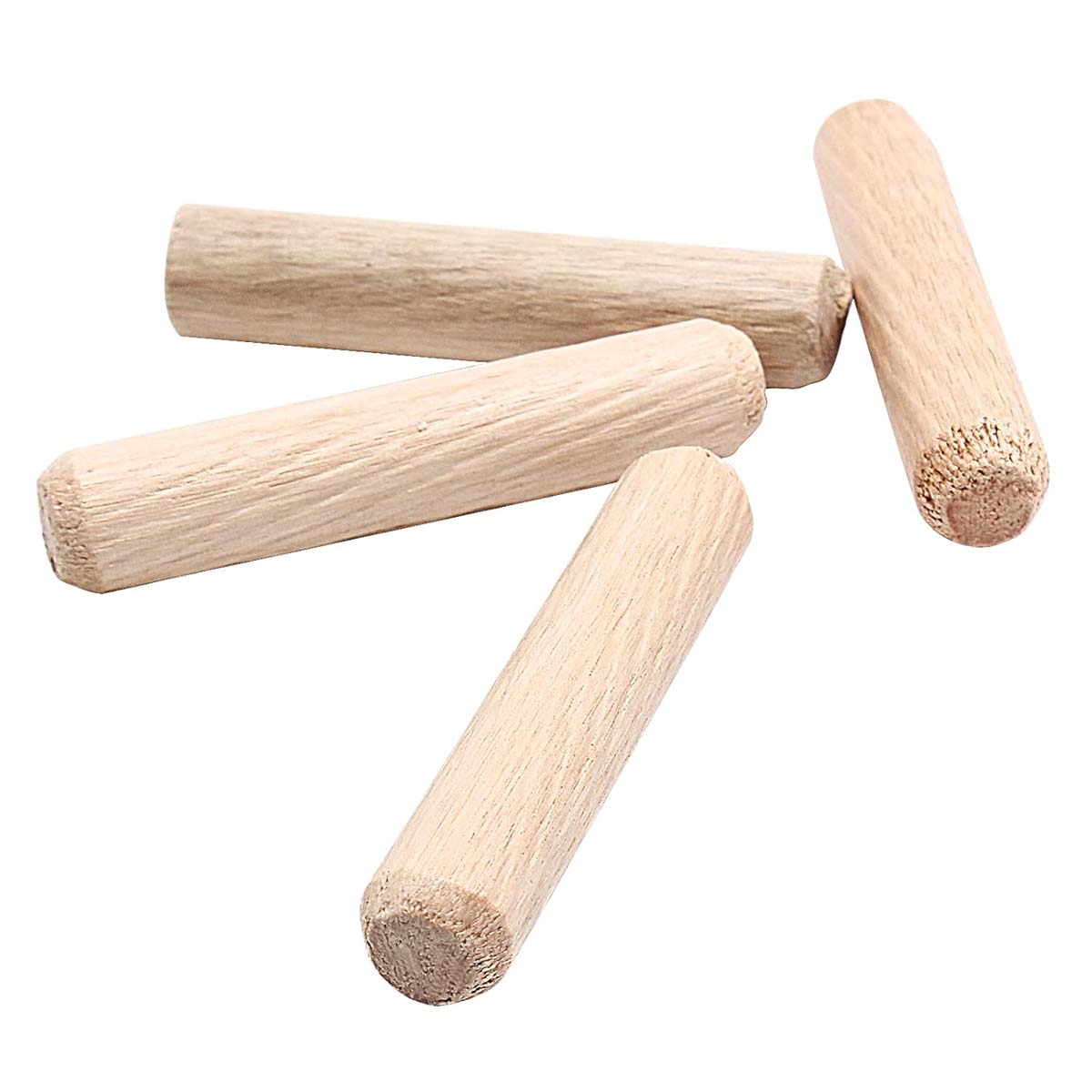
HARSKIYER 2 Inch Hardwood Dowel Pins
HARSKIYER polished birch pins for clean insertion and classroom use
These 3/8 inch by 2 inch pins focus on smoothness. A polished finish with no burrs helps them seat without shaving fibers off the hole wall, which is useful when you want clean joinery or when students are learning basic assembly.
$7.49 at AmazonThe best fit is furniture maintenance, cabinet repairs, and quick reinforcement between boards. The pack includes 120 pieces, which is a practical number for repeated projects. The honest limitation is that “polished” can reduce glue tooth slightly compared with rougher pins, so do not skimp on glue and keep holes clean. If you size holes correctly, these assemble fast.
Specifications
- Size: 3/8 inch diameter x 2 inch length (10 mm x 50 mm)
- Finish: polished
- Material: birch hardwood
- Pieces: 120
- Use: furniture repair, teaching projects
Pros
- Smooth surface seats easily
- High count for value per joint
- Good for repairs and learning setups
- Birch hardwood resists snapping
Cons
- Smooth surface needs good glue coverage
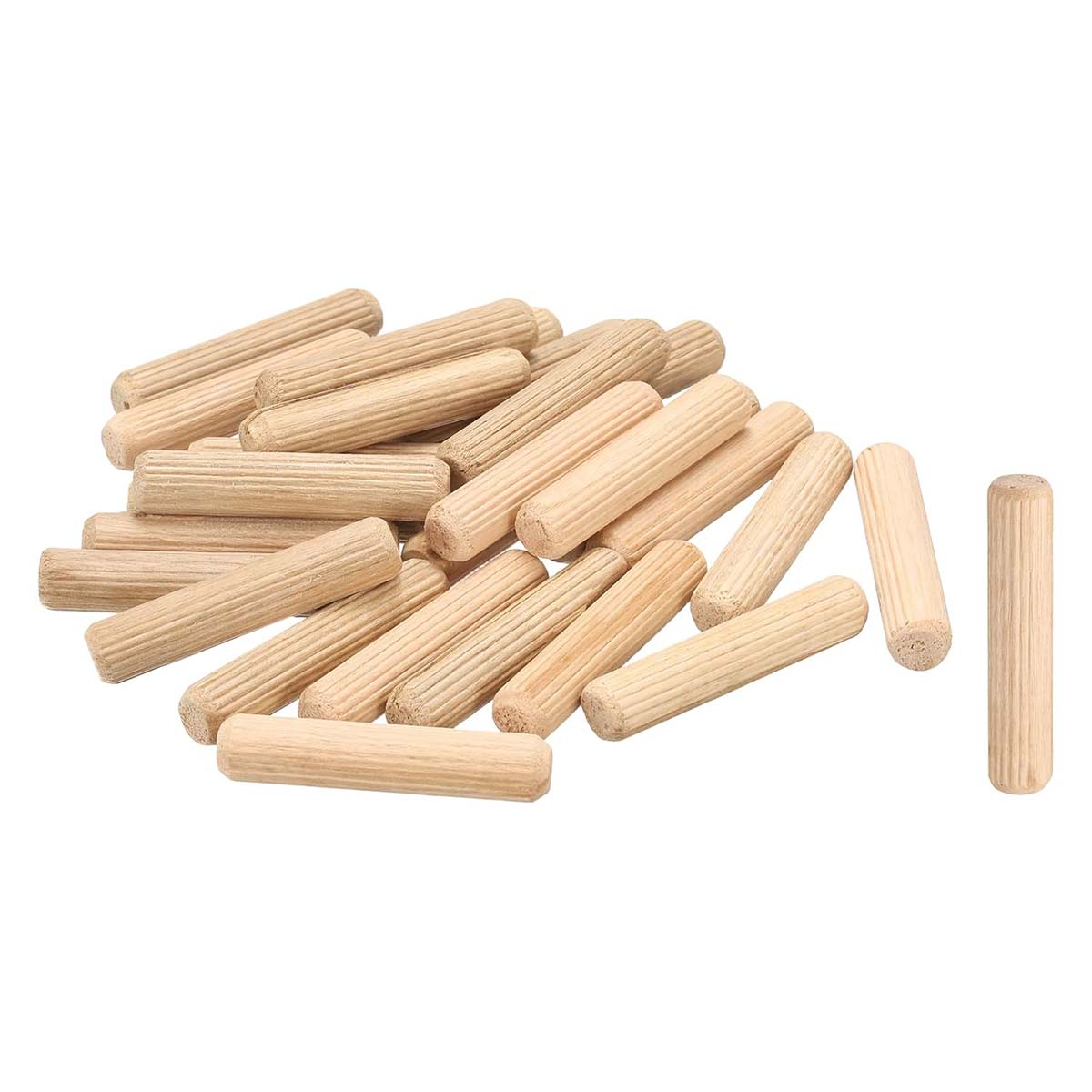
MECCANIXITY 2 Inch Wooden Dowel Pins
MECCANIXITY 10 mm x 50 mm pins for beginner-friendly DIY assembly
This pack is a straightforward 3/8 inch by 2 inch dowel pin set aimed at general DIY and woodworking. The smooth finish and straight lines help new builders insert pins without fighting rough fibers.
$7.29 at AmazonThe best use is furniture assembly, cabinetry, and home repairs where consistent size matters more than specialty features. Since the brand notes manual measurement variation, you should confirm the fit with a test hole before drilling a full layout. The honest limitation is the lower piece count compared with some 100-packs, so it fits smaller projects better. For occasional repairs or a first dowel-joinery build, it covers the basics.
Specifications
- Size: 3/8 inch diameter x 2 inch length (10 mm x 50 mm)
- Finish: smooth, unfinished
- Material: wood
- Pieces: 50
- Color: natural wood
Pros
- Beginner-friendly smooth insertion
- Useful for common furniture joints
- Size matches standard metric labeling
- Works for DIY and shop repairs
Cons
- Smaller pack size
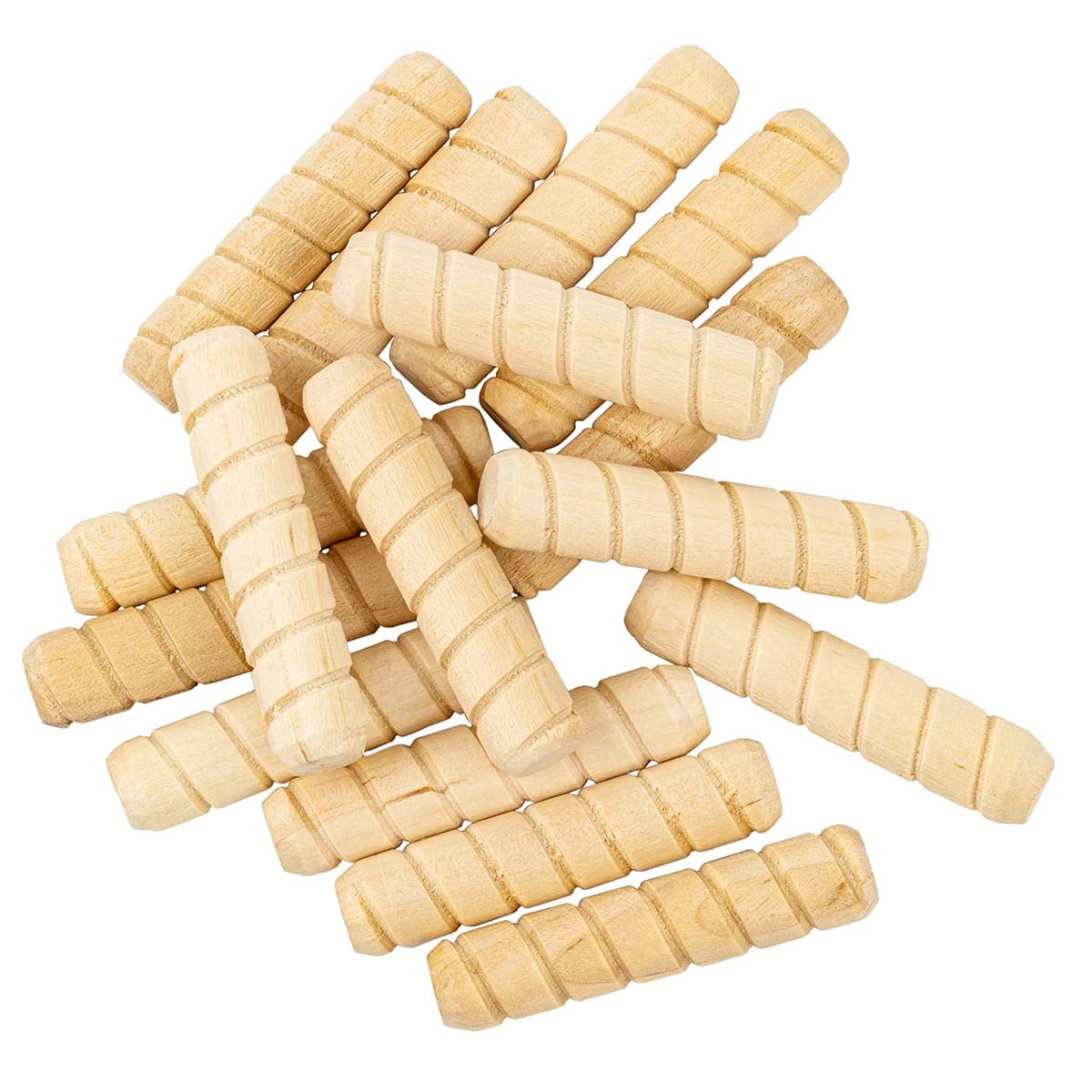
UNIQANTIQ HARDWARE SUPPLY Spiral Grooved Hardwood Dowel Pins
UNIQANTIQ spiral grooved pins for strong glue joints in larger holes
These pins step up to a 7/16 inch diameter at 2 inches long, which fits builds that need a slightly beefier dowel joint.
$9.95 at AmazonThe spiral grooves help glue spread around the pin, and chamfered ends start cleanly when alignment is close. The best use is furniture building, refurbishing, and craft projects where you want more holding power than 3/8 inch pins. The honest limitation is hole sizing. You must drill accurately, and depending on your wood, a slightly undersized hole can split stock. Test the fit in scrap, then commit. When matched to the right bit and glue, these lock in hard.
Specifications
- Size: 7/16 inch diameter x 2 inch length
- Finish: unfinished
- Material: natural hardwood
- Pieces: 50
- Design: spiral grooved, chamfered ends
Pros
- Larger diameter strengthens joints
- Spiral grooves improve glue coverage
- Chamfers help clean starts
- Good for refurbishing work
Cons
- Needs careful hole sizing to avoid splits
Buying checklist: what to look for on product pages
This section helps you buy with confidence without overthinking the listing.
Start with the project requirement: exact diameter needs, load, finish, and span. Then verify the listing details.
- Confirm the wood species matches your finish plan
- Confirm diameter and length match the build and shipping constraints
- Look for notes on straightness and roundness
- Check whether the dowel is solid or laminated
- Look for sanding level and whether it ships unfinished
- Scan shipping notes for packaging, end protection, and length limits
- Read return details for long stock in case it arrives damaged
- Use customer questions to spot recurring issues like bowing or flat spots
When the listing lacks details, plan your build with adjustability. Slight sanding, trimming, or a custom socket fit makes a project succeed even when the dowel varies.
FAQs about 2 Inch Hardwood Dowel
Concluding Notes
A 2 inch hardwood dowel works best when you match species, sizing, and support to the job. Measure the real diameter before you drill sockets or build brackets. Choose poplar for paint-grade work, oak for visible grain, and hard maple for tougher wear. Control rolling stock during cutting and drilling with a cradle and solid clamps. Finish with care, seal end grain well, and store the dowel flat so it stays straight.