1/2 Inch Baltic Birch Plywood: 9 Must Know Facts Before You Build
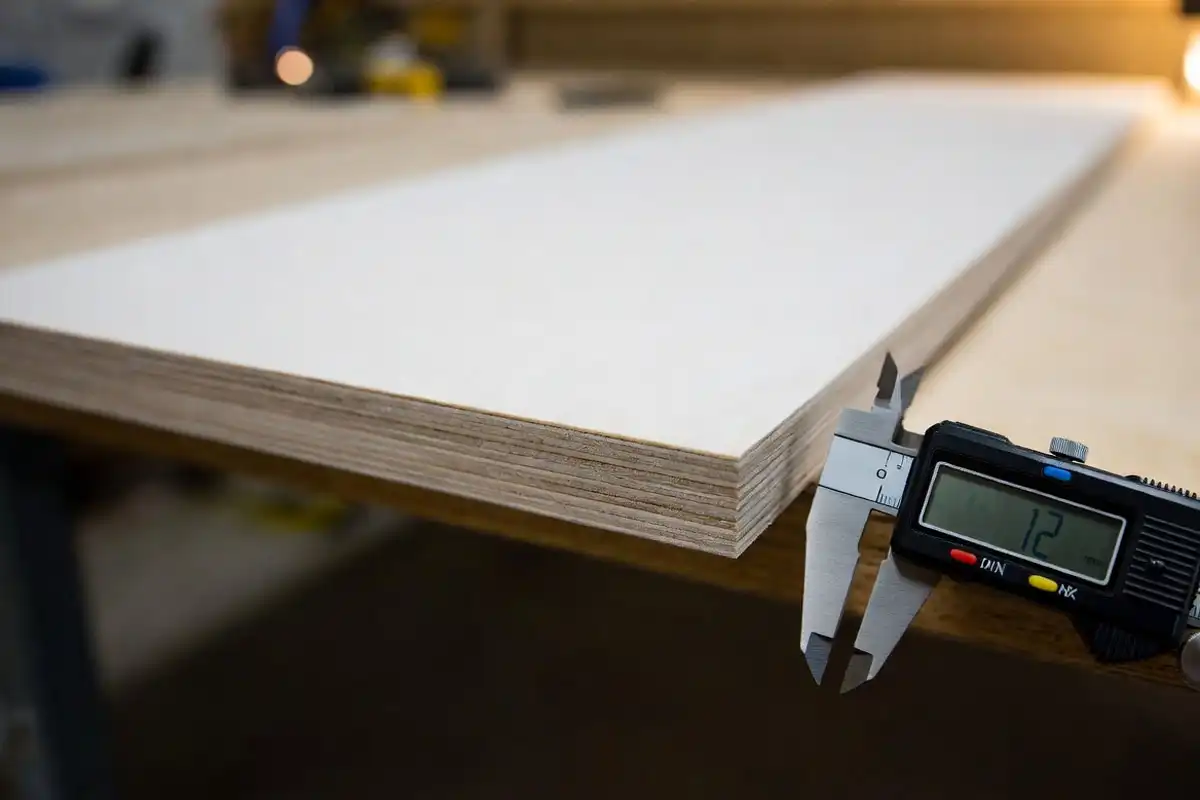
1/2 inch Baltic birch plywood gives woodworkers a stiff, flat panel with clean edges and stable joinery. Most sheets sold as “1/2 inch” Baltic birch measure in metric thickness, so the panel often lands closer to 12 mm than a true 0.500 inch. That small difference affects dados, drawer-lock joints, and hardware. In this guide I cover what the material is, where it shines, how to buy the real product, and how to cut, edge, and finish it with fewer surprises.
1/2 inch Baltic birch plywood is usually a 12 mm multi-ply birch panel that stays flatter than common veneer-core sheets and leaves clean edge layers. Use it for drawer boxes, shop jigs, cabinet parts, and small furniture panels. Measure the sheet thickness, then size dados and rabbets to that measured number for tight joinery.
What is 1/2 inch Baltic birch plywood?
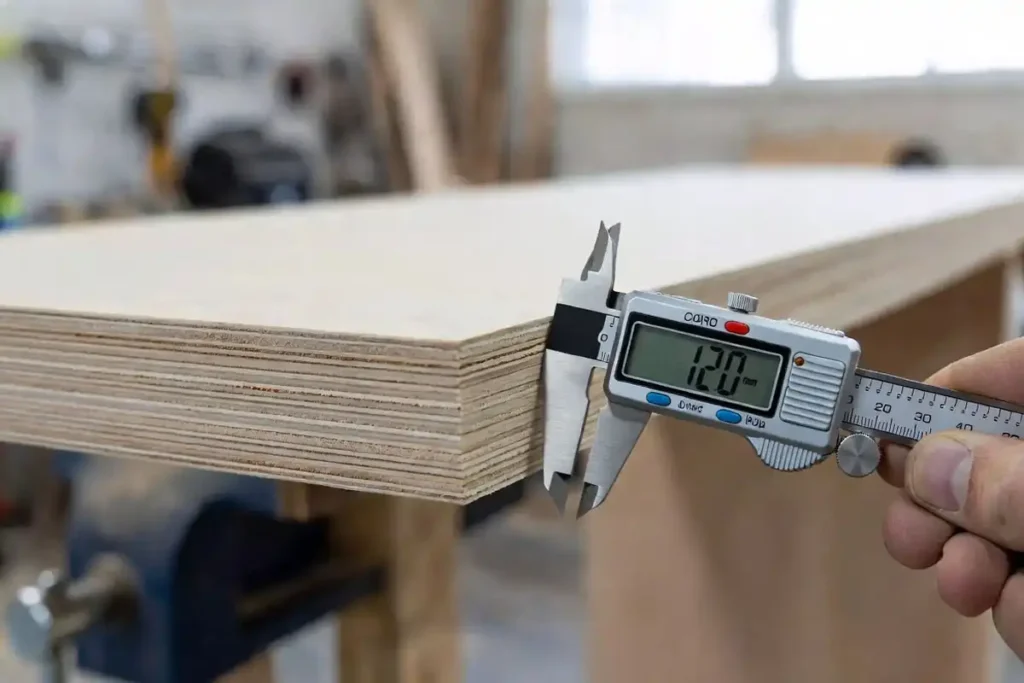
1/2 inch Baltic birch plywood is a multi-ply birch panel built from thin birch veneers stacked with the grain alternating by layer. The stacked plies create a strong, uniform core with fewer internal gaps than typical construction-grade panels.
Most “1/2 inch” Baltic birch is sold as 12 mm, which matches common plywood tooling better than a true half inch. Some suppliers also stock traditional 5 ft x 5 ft sheets, although some carry 4 ft x 8 ft panels depending on the mill and import chain.
Key identifiers woodworkers look for include:
- Metric thickness listed as 12 mm for the 1/2 inch class
- Multi-ply core with thin, consistent veneers
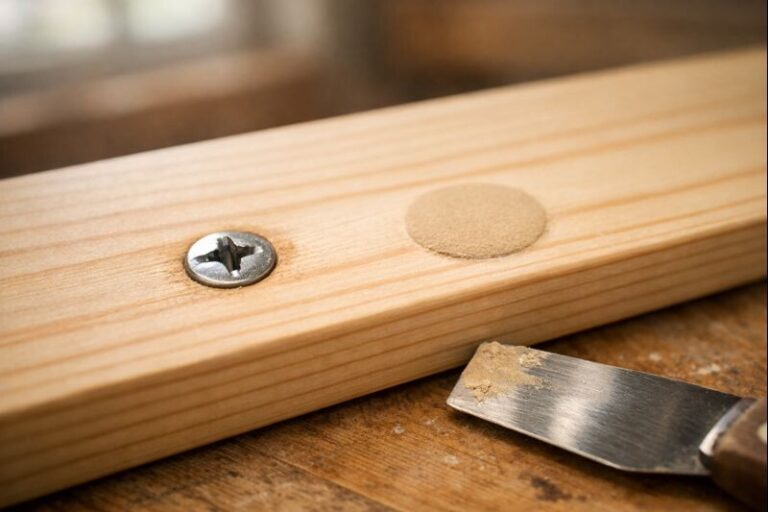
- Birch faces on both sides, often with small oval patches on one face grade
- Clean edges with few voids when you scan the ply lines
Read more: 1/4 Baltic Birch Plywood Guide for Better Results
When does 1/2 inch Baltic birch make sense?
1/2 inch Baltic birch fits projects that need stiffness without the bulk of 3/4 inch panels. It also suits work where exposed edges matter, since the thin plies sand into crisp stripes.
Common uses include:
- Drawer boxes and drawer bottoms in captured grooves
- Cabinet parts like stretchers, dividers, and backs on smaller cases
- Shop jigs, sleds, and router templates that need flat reference faces
- Small tables, trays, and boxes where a clean edge profile improves the look
Also see: 1/8 Baltic Birch Plywood: 8 Smart Uses for Boxes, Trays, Drawer
Where to buy it and what to ask for
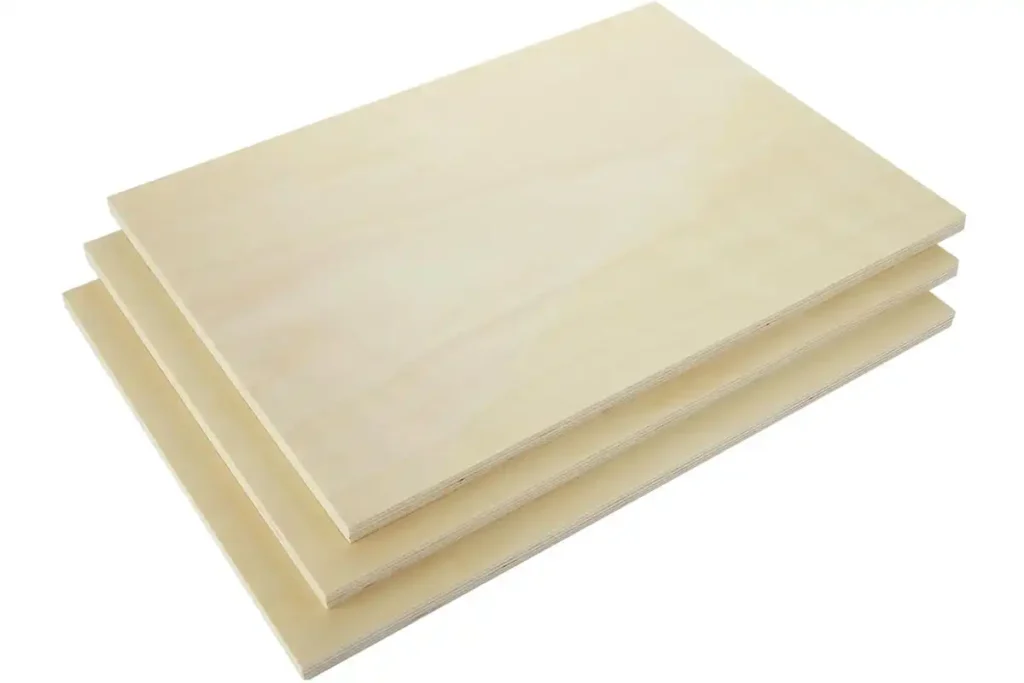
Hardwood plywood suppliers sell Baltic birch more consistently than big-box stores. Some retailers label any light birch-faced panel as “Baltic birch,” even when the core includes mixed hardwood or softwood plies.
Ask the yard for three details before you load the truck:
- Thickness in millimeters (often 12 mm for the 1/2 inch class)
- Grade stamp (common grades include B/BB, BB/BB, and BB/CP)
- Sheet size (5×5 or 4×8) and origin (varies by supplier)
If you want a deeper breakdown of what separates the true material from standard birch panels, see my guide on what makes Baltic birch different.
How to choose a good 1/2 inch sheet
Start by checking the panel like you check lumber. A few minutes at the rack saves hours at the bench.
Look for these traits:
- Flatness: sight down both faces and both edges
- Core quality: inspect the edge for voids and thick glue lines
- Face veneer: check for patches and sanding through
- Consistent thickness: measure in several spots, not only at one corner
Nominal plywood sizes rarely match measured thickness, so plan joinery around real measurements. My article on how nominal plywood thickness works helps when you are matching dados to a specific sheet.
How to cut 1/2 inch Baltic birch cleanly
Baltic birch cuts cleanly when the sheet stays supported and the blade stays sharp. Tearout usually starts on the exit face, so control the fibers before the teeth lift them.
- Break down the sheet first. Support the panel on a foam board or a grid of scrap strips, then rough-cut oversized parts.
- Use a fine-tooth blade. Choose a plywood or finish blade on a table saw, or a fine-tooth track saw blade for sheet goods.
- Use zero-clearance support. Install a zero-clearance insert on the saw, or use a track saw splinter strip that matches the blade kerf.
- Keep the good face down for circular and track saws. Those saws cut upward, so the bottom face stays cleaner.
- Make a clean final trim cut. Leave 1/16 to 1/8 inch for the last pass, then cut to the line with full support.
- Label parts as you go. Baltic birch faces often look similar, so mark reference faces and grain direction before you stack pieces.
Joinery and fasteners that suit 1/2 inch Baltic birch
The uniform core holds dados and rabbets well. The face veneers stay thin, so aggressive profiling risks sanding through.
These joinery choices work well for 1/2 inch panels:
- Dados and grooves: cut them to fit the measured thickness with a test strip, then lock the setting
with shims or a second router pass - Rabbets: use for backs and dividers to increase glue surface
- Finger joints and box joints: leave crisp end-grain stripes when tuned well
- Pocket screws: use coarse-thread screws sized for plywood cores and predrill when the face veneer looks brittle
For glue-ups, spread glue to wet both surfaces, then clamp until the joint stops sliding. If you want a glue selection guide that focuses on plywood bonds, read my guide to choosing wood glue for plywood.
Edge treatment: exposed plies, banding, or solid lipping
Exposed edges look sharp on trays, drawers, and shop fixtures. Sand them evenly so the plies stay crisp and the corners stay square.
Three common edge options work well:
- Exposed plies: ease the edge with a small chamfer or light round-over
- Iron-on edge banding: trims cleanly and hides the stripes for a furniture look
- Solid wood lipping: adds impact resistance and allows thicker profiles
Finishing 1/2 inch Baltic birch
Baltic birch takes clear finishes well because the face veneer sands evenly. The edges soak finish faster than the faces, so seal edges early if you want even sheen.
A reliable finish workflow looks like this:
- Sand faces to a consistent grit, then break sharp edges.
- Seal the edges with a thin first coat, then scuff sand.
- Apply your topcoat in thin, even coats to reduce runs at the ply lines.
Stain behavior varies by veneer and sanding level. For stain-specific tips that focus on blotching control and color consistency, read my guide on staining Baltic birch without muddy color.
Solutions for common 1/2 inch Baltic birch problems
Panel warp after bringing it home. Store sheets flat with stickers between them, or stand them nearly vertical with full support. Let panels acclimate in the shop before final sizing.
Tearout on the face veneer. Replace or sharpen the blade, then add zero-clearance support. A scoring cut also helps on critical edges.
Fuzzy edges after sanding. Sand edges through the same grit progression as the faces, then seal with a thin coat before final sanding.
Hidden voids at the edge. Move joinery away from that zone, or fill with epoxy and sand flush when the edge stays visible.
Troubleshooting checklist for fit and finish
Use this quick checklist when a part fights you at assembly time:
- If dados feel loose, cut a fresh test strip and reset the dado width to the sheet’s measured thickness.
- If parts bow during glue-up, clamp cauls across the panel to spread pressure.
- If screws strip, drill a deeper pilot and use a screw designed for plywood cores.
- If finish looks blotchy, resand to an even grit and apply a sealer coat before color.
Mistakes to avoid with 1/2 inch Baltic birch
- Buying “birch plywood” sight unseen and assuming it has a uniform birch core
- Cutting joinery to a nominal 1/2 inch setting instead of the sheet’s measured thickness
- Leaving long, narrow parts unsupported during ripping
- Rounding edges too much and sanding through the face veneer
- Skipping dust collection when routing or sanding plywood
Safety notes for cutting and sanding plywood
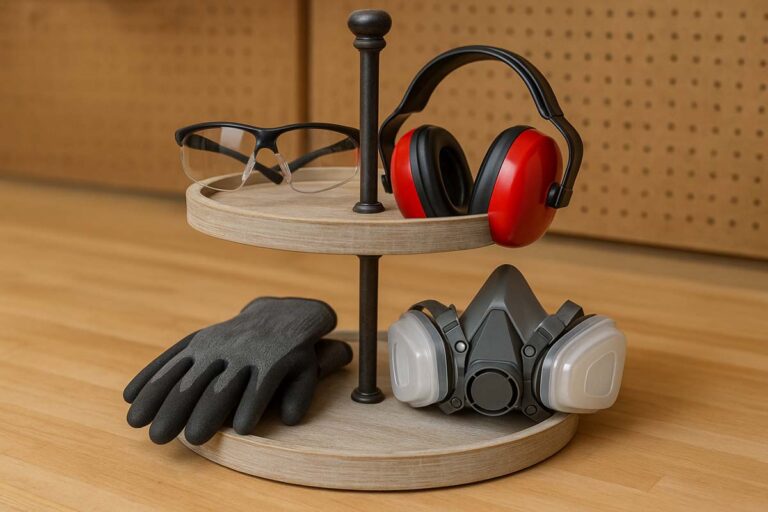
Plywood dust irritates lungs and eyes. Wear a respirator, use dust collection, and keep airflow moving across the work zone.
Support full sheets so they do not pinch the blade. Keep hands away from the line of cut, and use push tools when the fence gets close.
FAQs on the 1/2 Inch Baltic Birch Plywood

Is 12 mm Baltic birch the same as 1/2 inch?
Most suppliers sell 12 mm Baltic birch in the 1/2 inch category because it matches common plywood sizing. Measure your sheet, then size dados and grooves to that measured thickness.
Does 1/2 inch Baltic birch hold screws well?
The multi-ply core holds screws better than common soft-core panels, especially with proper pilots. Use screws designed for plywood and avoid driving near the edge without a pilot hole.
What grade is best for painted projects?
A smoother face grade reduces filling and sanding time before primer. Choose a grade with fewer patches on the face that stays visible after paint.
Final Thoughts
1/2 inch Baltic birch plywood works best when you treat it as a measured panel, not a nominal size. Buy from a supplier that lists thickness, grade, and sheet size, then cut joinery to fit that exact sheet. Support the panel, use a sharp fine-tooth blade, and seal edges early for clean finish results.