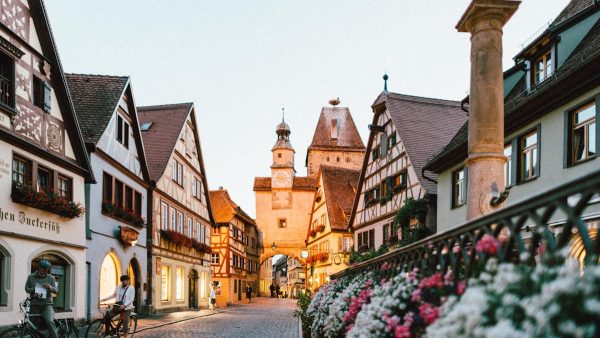


The United States is one of the world’s most geographically and culturally diverse countries — a single nation that contains tropical beaches, Arctic tundra, ancient desert landscapes, world-class cities, and everything in between. Whether you’re a first-time visitor trying to decide between New York and Los Angeles, or a seasoned domestic traveler looking for your next adventure, the U.S. offers an almost inexhaustible range of experiences. These are the best places to visit in the USA in 2026, chosen for their combination of iconic appeal, unique character, and overall visitor experience.
Best U.S. Destinations for 2026
1. New York City, New York — Best Overall City
New York City is the most visited city in the United States for good reason — it’s one of the world’s great cities in every dimension. The density of world-class museums (Metropolitan Museum of Art, MoMA, American Museum of Natural History), iconic neighborhoods (Brooklyn, the West Village, Harlem), and culinary experiences (from $1 pizza slices to Michelin-starred restaurants) is unmatched anywhere in the country. Central Park, the High Line, the Brooklyn Bridge, and Times Square are just the beginning. New York rewards repeat visits — most travelers feel they’ve barely scratched the surface after a week. Best time to visit: September–November for comfortable weather and fall foliage in Central Park.
2. Grand Canyon, Arizona — Best Natural Wonder
The Grand Canyon is one of those rare places that genuinely exceeds expectations — the scale of the canyon (277 miles long, up to 18 miles wide, over a mile deep) is impossible to fully comprehend until you’re standing at the rim. The South Rim is the most accessible and visited section, with viewpoints, ranger programs, and hiking trails ranging from easy rim walks to multi-day backcountry expeditions. The North Rim (open May–October) offers a more remote experience with fewer crowds. Sunrise and sunset at the canyon are among the most spectacular natural light shows in the world.
3. New Orleans, Louisiana — Best for Food and Culture
New Orleans is unlike any other American city — a unique blend of French, Spanish, African, and Caribbean influences that has produced one of the world’s great food cultures (Creole and Cajun cuisine), a living jazz tradition, and an architectural heritage (the French Quarter’s iron-lace balconies) that feels more European than American. The city’s festivals — Mardi Gras (February–March), Jazz Fest (April–May), and dozens of smaller celebrations — make it a year-round destination. The Garden District’s antebellum mansions, the streetcar lines, and the Mississippi River waterfront add further layers to a city that rewards slow, immersive exploration.
4. Yellowstone National Park, Wyoming — Best for Wildlife
Yellowstone is the world’s first national park and still one of its most extraordinary. The park sits atop a supervolcano, creating a landscape of geysers (Old Faithful erupts every 90 minutes), hot springs (the Grand Prismatic Spring’s rainbow colors are otherworldly), and mud pots found nowhere else on earth. The wildlife viewing is exceptional — bison herds, grizzly bears, wolves, elk, and pronghorn are regularly spotted. The Lamar Valley is considered one of the best wildlife watching locations in North America. Visit in May–June or September–October to avoid peak summer crowds while still having full park access.
5. San Francisco, California — Best for Urban Exploration
San Francisco’s combination of dramatic geography (steep hills, bay views, the Pacific Ocean), architectural character (Victorian painted ladies, the Golden Gate Bridge), and cultural diversity makes it one of America’s most visually striking and intellectually stimulating cities. The neighborhoods are distinct and walkable: the Mission District’s murals and taquerias, Chinatown’s markets and dim sum restaurants, the Castro’s LGBTQ+ history, and Haight-Ashbury’s counterculture legacy. Day trips to Muir Woods (ancient redwoods), Napa Valley (wine country), and Point Reyes National Seashore add natural beauty to the urban experience.
6. Maui, Hawaii — Best Beach Destination
Maui consistently ranks as America’s best island destination, offering a combination of world-class beaches (Ka’anapali, Wailea, Hamoa), dramatic natural scenery (the Haleakalā volcano crater, the Road to Hāna’s waterfalls and rainforest), and a relaxed Hawaiian culture that makes it feel genuinely different from mainland beach destinations. Snorkeling at Molokini Crater, watching sunrise from the summit of Haleakalā, and driving the Road to Hāna are bucket-list experiences. Best time to visit: April–May or September–November for lower prices and smaller crowds than peak winter season.
7. Nashville, Tennessee — Best for Music and Nightlife
Nashville has transformed from a country music capital into one of America’s most dynamic cities, attracting visitors with its live music scene (Broadway’s honky-tonks are open from noon to 3 AM), exceptional food scene (hot chicken, meat-and-three restaurants, James Beard Award-winning chefs), and a growing arts and culture scene. The Country Music Hall of Fame, the Ryman Auditorium, and the Grand Ole Opry are essential stops for music lovers. The surrounding area offers day trips to Jack Daniel’s Distillery, the Natchez Trace Parkway, and the Tennessee countryside.
8. Zion National Park, Utah — Best for Hiking
Zion’s towering sandstone cliffs, narrow slot canyons, and the Virgin River create one of America’s most dramatic hiking landscapes. Angels Landing (a 5.4-mile round trip with chains to assist the final exposed section) and The Narrows (hiking through the Virgin River in a slot canyon) are two of the most iconic hikes in the national park system. The park is part of Utah’s “Mighty Five” — a collection of five national parks (Zion, Bryce Canyon, Capitol Reef, Canyonlands, Arches) that can be combined into an epic road trip through the Colorado Plateau.
9. Chicago, Illinois — Best Underrated City
Chicago is consistently underrated relative to New York and Los Angeles, offering world-class architecture (the birthplace of the skyscraper), an exceptional food scene (deep-dish pizza, Chicago-style hot dogs, and a James Beard Award-winning restaurant scene), and a lakefront that rivals any waterfront in the world. Millennium Park’s Cloud Gate sculpture, the Art Institute of Chicago, and the Chicago Riverwalk are highlights. The city’s neighborhoods — Wicker Park, Logan Square, Pilsen — offer authentic local experiences far from the tourist trail.
10. Savannah, Georgia — Best for History and Charm
Savannah is one of America’s most beautiful and atmospheric cities — a perfectly preserved antebellum city of Spanish moss-draped squares, pastel-painted mansions, and cobblestone streets. The city’s 22 historic squares (designed in 1733 and still intact) create a unique urban landscape that’s endlessly walkable. The food scene is exceptional (shrimp and grits, she-crab soup, peach cobbler), the ghost tour industry is thriving (Savannah is considered one of America’s most haunted cities), and the nearby Tybee Island beach adds a coastal dimension. Best visited October–April to avoid summer heat and humidity.
Best U.S. Destinations by Travel Style
| Travel Style | Top U.S. Destinations |
|---|---|
| National Parks | Grand Canyon, Yellowstone, Zion, Yosemite, Acadia |
| Beach Vacation | Maui, Miami, Outer Banks, Malibu, Hilton Head |
| City Break | New York, Chicago, San Francisco, New Orleans, Austin |
| Road Trip | Pacific Coast Highway, Route 66, Blue Ridge Parkway, Utah’s Mighty Five |
| History & Culture | Washington D.C., Boston, Philadelphia, Savannah, Charleston |
| Food & Drink | New Orleans, Nashville, Portland (OR), Charleston, Austin |
| Adventure | Moab, Jackson Hole, Denali, Bend (OR), Asheville |
| Budget Travel | Washington D.C. (free museums), New Orleans, Nashville, Savannah |
Tips for Traveling the USA
- Fly into secondary airports: Flying into Oakland instead of San Francisco, Midway instead of O’Hare, or Fort Lauderdale instead of Miami can save $100–$300 on flights.
- National Parks Pass: The America the Beautiful Pass ($80/year) provides unlimited access to all 400+ national parks and federal recreation areas. It pays for itself after 2–3 park visits.
- Road trips beat flying for regional exploration: Renting a car and driving between destinations in the same region (New England, the Southwest, the Pacific Coast) is often cheaper than flying and allows you to stop at places you’d otherwise miss.
- Visit cities on weekdays: Hotel rates in business-oriented cities (New York, Chicago, San Francisco) are often 20–30% lower on weekdays than weekends.
- Use Amtrak for the Northeast Corridor: The train between Boston, New York, Philadelphia, and Washington D.C. is often faster door-to-door than flying when you factor in airport time.
Bottom Line
The United States offers a lifetime of travel within its borders — from the Arctic wilderness of Alaska to the tropical reefs of Hawaii, from the skyscrapers of Manhattan to the red rock canyons of Utah. The destinations above represent the best of what the country offers in 2026, but the real joy of American travel is in the road between destinations: the roadside diner in the middle of nowhere, the small town with an unexpected museum, the stretch of highway where the landscape suddenly changes and takes your breath away. The U.S. rewards the curious traveler who’s willing to go a little off-script.