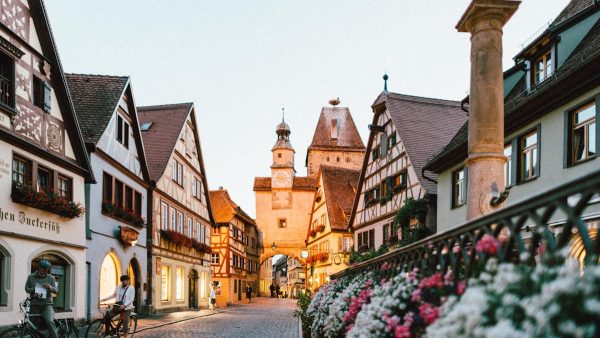


Europe’s hotel landscape spans centuries-old palaces converted into luxury stays, sleek design hotels in revitalized city neighborhoods, and charming boutique properties that put you in the heart of local life. Whether you’re planning a romantic weekend in Paris, a cultural deep-dive in Rome, or a city-hopping adventure across multiple countries, choosing the right hotel can define your entire trip. This guide covers the best hotels in Europe’s top destinations for 2026, across every budget level.
How to Choose a Hotel in Europe
Location is the single most important factor when booking a European hotel. Europe’s historic city centers are compact and walkable — staying within walking distance of major attractions saves hours of transit time and lets you experience the city at street level. A hotel that costs $50 more per night but saves you $20/day in transit and 2 hours of commuting is often the better value. Beyond location, consider: breakfast inclusion (European hotel breakfasts are often excellent and worth the premium), cancellation policy, and whether the property has air conditioning (not universal in older European buildings).
Best Hotels by City
Paris, France
Paris rewards travelers who stay in the right arrondissement. The 1st (Louvre area), 6th (Saint-Germain-des-Prés), and 7th (Eiffel Tower area) offer the best combination of central location and neighborhood character.
- Hôtel Plaza Athénée (Luxury, $800+/night): The iconic red-awning hotel on Avenue Montaigne, steps from the Champs-Élysées. Alain Ducasse’s three-Michelin-star restaurant is on-site. The Eiffel Tower views from upper floors are unmatched.
- Le Marais Hotel (Mid-range, $200–$350/night): Boutique property in the trendy Marais district, walking distance from the Pompidou Centre and Place des Vosges. Stylish rooms, excellent breakfast, and a neighborhood full of galleries and restaurants.
- Generator Paris (Budget, $40–$120/night): Design-forward hostel near Canal Saint-Martin with private rooms and dorms. Rooftop bar, social atmosphere, and a location that feels authentically Parisian rather than touristy.
Rome, Italy
Rome’s historic center is compact — staying near the Pantheon, Piazza Navona, or Trastevere puts you within walking distance of most major sights.
- Hotel de Russie (Luxury, $700+/night): A Rocco Forte property between the Spanish Steps and Piazza del Popolo. The terraced garden is one of Rome’s most beautiful outdoor spaces. Impeccable service and a spa that rivals any in the city.
- Relais Le Clarisse (Mid-range, $180–$280/night): A converted convent in Trastevere with 16 individually decorated rooms around a peaceful courtyard. The neighborhood is Rome’s most charming — cobblestone streets, local restaurants, and a village-within-a-city atmosphere.
- The Yellow Hostel (Budget, $30–$90/night): Rome’s most popular hostel, near Termini station. Private rooms available, excellent social scene, and organized pub crawls and day trips.
Barcelona, Spain
Barcelona’s best neighborhoods for hotels: the Gothic Quarter (historic, central), Eixample (Gaudí architecture, upscale), and Barceloneta (beach access).
- Hotel Arts Barcelona (Luxury, $500+/night): A 44-story tower on the beachfront with panoramic Mediterranean views. Two pools, a Michelin-starred restaurant, and direct beach access make it one of Europe’s great resort hotels.
- Casa Camper Barcelona (Mid-range, $250–$400/night): A design hotel in the El Raval neighborhood with a unique concept: a separate “tent” floor with hammocks and 24-hour free snacks. Sustainable, stylish, and genuinely different.
- Kabul Party Hostel (Budget, $25–$70/night): Legendary backpacker hostel on La Rambla with rooftop terrace views of the city. Social atmosphere, organized activities, and an unbeatable central location.
Amsterdam, Netherlands
- Waldorf Astoria Amsterdam (Luxury, $600+/night): Six 17th-century canal houses converted into a seamless luxury hotel. Canal-facing rooms are among the most atmospheric in Europe.
- Hotel V Nesplein (Mid-range, $180–$280/night): A design hotel in the university district with a lively bar, excellent breakfast, and a young, creative atmosphere. Walking distance from the Rijksmuseum.
- Stayokay Amsterdam Vondelpark (Budget, $35–$100/night): A hostel inside Vondelpark — Amsterdam’s central park — with private rooms and dorms. Peaceful location, excellent facilities, and a 10-minute walk from the major museums.
Prague, Czech Republic
Prague offers exceptional value — luxury hotels cost half what they do in Paris or London, and the city’s medieval architecture makes even mid-range properties feel special.
- Four Seasons Prague (Luxury, $400+/night): Overlooking the Vltava River with views of Charles Bridge and Prague Castle. The terrace restaurant is one of the city’s finest dining experiences.
- Mosaic House (Mid-range, $100–$180/night): A design hotel and hostel hybrid in the New Town with private rooms, a rooftop bar, and a sustainable ethos. Excellent value for the quality.
- Sophie’s Hostel (Budget, $20–$60/night): Consistently rated one of Europe’s best hostels. Private rooms available, excellent common areas, and a central location near Wenceslas Square.
Best Hotel Booking Platforms for Europe
| Platform | Best For | Key Advantage |
|---|---|---|
| Booking.com | All accommodation types | Largest inventory, free cancellation filters |
| Hotels.com | Loyalty rewards | Earn 1 free night per 10 nights booked |
| Airbnb | Apartments, unique stays | Local experience, kitchen access |
| Hostelworld | Hostels, budget travel | Best hostel inventory and reviews |
| Mr & Mrs Smith | Boutique luxury hotels | Curated selection, member perks |
| Direct hotel website | Best rates, perks | Often cheapest + flexible cancellation |
Tips for Getting the Best Hotel Rates in Europe
- Book directly when possible: Hotels often offer their best rates and perks (free breakfast, room upgrades, flexible cancellation) for direct bookings. Call the hotel or book through their website.
- Travel in shoulder season: May–June and September–October offer 20–40% lower rates than July–August with comparable or better weather and far fewer crowds.
- Use hotel loyalty programs: Marriott Bonvoy, Hilton Honors, and IHG One Rewards offer free nights, room upgrades, and late checkout for loyal members. Status is achievable with a co-branded credit card even without frequent stays.
- Consider apartments for longer stays: For stays of 5+ nights, a serviced apartment through Airbnb or Booking.com often beats hotels on price, space, and the ability to cook meals.
- Check last-minute deals: Apps like HotelTonight specialize in same-day and last-minute hotel bookings at steep discounts — useful for flexible travelers.
What to Expect: European Hotel Differences from U.S. Hotels
- Room size: European hotel rooms are typically smaller than U.S. equivalents at the same price point. A “standard” room in Paris may be 150–200 sq ft. Don’t be surprised — it’s normal.
- Air conditioning: Not universal, especially in older buildings. Check listings carefully if you’re traveling in summer. Many historic properties have thick stone walls that keep rooms naturally cool.
- Breakfast: European hotel breakfasts are often excellent — fresh bread, cheese, charcuterie, eggs, and coffee. Many hotels include breakfast in the rate or offer it for $15–$25 extra, which is often worth it.
- Tipping: Tipping hotel staff is less expected in Europe than in the U.S. A small tip for exceptional service is appreciated but not obligatory.
- Check-in time: Standard check-in is 3–4 PM in most European hotels. Arriving earlier? Ask about early check-in (often available for a fee or free if the room is ready) or leave your luggage with the concierge.
Frequently Asked Questions
How far in advance should I book hotels in Europe?
For peak season (July–August) and popular destinations like Paris, Rome, and Barcelona, book 3–6 months in advance. For shoulder season travel, 4–8 weeks is usually sufficient. Last-minute deals are available but risky in peak season — you may end up with poor location or limited options.
Are European hotels safe?
Yes, European hotels are generally very safe. Standard precautions apply: use the room safe for valuables, keep your door locked, and be aware of your surroundings in tourist-heavy areas where pickpocketing is more common. Read recent reviews for any specific safety concerns at a property.
Bottom Line
Europe’s hotel scene offers something for every traveler and every budget. The key is prioritizing location — staying in the right neighborhood transforms your experience — and booking early for peak season travel. Whether you’re splurging on a canal-view suite in Amsterdam or stretching your budget at a design hostel in Prague, the right accommodation sets the tone for your entire European adventure.