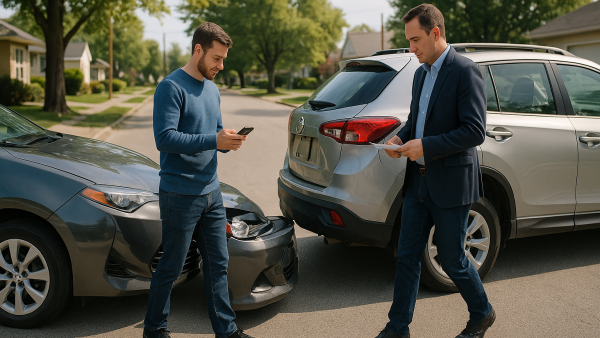


Car insurance is a non-negotiable expense for most drivers, but that doesn’t mean you should overpay. The average full-coverage policy costs $187 to $225 per month, yet many drivers leave hundreds of dollars on the table every year. The good news: you can lower your premium without sacrificing the protection you actually need.
What Drives Your Car Insurance Premium?
Before you start cutting costs, understand what insurers look at. Your premium is calculated from your driving record, age, location, vehicle type, credit score, annual mileage, coverage limits, and deductible amount. Some factors you can’t change overnight. Others are surprisingly easy to adjust.
Proven Ways to Lower Your Premium
1. Shop Around and Switch Insurers
This is the single highest-impact move you can make. MoneyGeek found that 82% of drivers could pay less by switching insurers, saving an average of $520 to $890 per year. Consumer Reports’ 2024 survey found switchers saved a median of $461 annually.
Prices vary dramatically between companies for the same driver and vehicle. Get at least three quotes every 6 to 12 months. Use reputable comparison sites, but verify each insurer is licensed in your state and has solid financial strength ratings.
2. Raise Your Deductible
Increasing your deductible from $500 to $1,000 can reduce your collision and comprehensive premiums by 20% to 25%. Consumer Reports estimates average savings of $509 to $636 per year. CNBC Select reports savings up to 40% on those specific coverages.
The key is choosing a deductible you can comfortably pay out of pocket after an accident. If a $1,000 surprise would strain your finances, stick with $500.
3. Bundle Home and Auto Insurance
Multi-policy discounts typically range from 10% to 25%. Consumer Reports found average savings of $382 per year, while MoneyGeek estimates $485 to $715 annually. State Farm offers up to 25% off when you bundle.
If you don’t own a home, bundling renters and auto insurance also qualifies for discounts. Always compare the bundled price against separate policies from different companies to ensure you’re actually saving.
4. Stack Every Discount You Qualify For
Most drivers don’t claim all the discounts they’re eligible for. Stacking three to five discounts saves an average of $285 to $520 per year according to MoneyGeek.
Common discounts include:
- Safe driver (no accidents or tickets for 3-5 years)
- Multi-vehicle (insuring two or more cars)
- Anti-theft devices
- Good student (typically B average or higher)
- Auto-pay and paperless billing
- Paid-in-full (paying annually instead of monthly)
- Affiliation discounts (employer, alumni, professional groups)
WalletHub notes that paperless, autopay, and upfront payment discounts alone can save up to 25%.
5. Drop Collision on Older Vehicles
Consumer Reports recommends dropping collision and comprehensive coverage when your annual premium exceeds 10% of the vehicle’s value. This typically saves $300 to $800 per year.
If your car is worth less than $5,000 and you’ve paid off any loan, carrying only liability coverage is often the smartest financial move. You’re essentially self-insuring the vehicle’s value.
6. Reduce Your Annual Mileage
Driving under 10,000 miles per year saves approximately $116 annually on average. Usage-based insurance programs, which track your actual driving through a mobile app or device, can save around $250 per year on average, with some drivers saving up to $1,000.
State Farm’s Drive Safe & Save program offers discounts up to 30%. If you work from home, recently moved closer to work, or have a short commute, you could see significant savings.
7. Take a Defensive Driving Course
Many insurers offer discounts of 5% to 10% for completing an approved defensive driving course. In New York, for example, the 10% discount saves about $254 per year, while the course costs only $25 and lasts three years.
Eligibility varies by state and age. Some insurers restrict this discount to drivers over 50 or under 25. Check with your insurer before enrolling.
8. Improve Your Credit Score
In most states, insurers use credit-based insurance scores to set rates. Drivers with no credit history pay 67% more than those with excellent credit. Improving your credit can save $125 to $900 per year.
Review your credit reports for errors before getting quotes. Pay down balances, make payments on time, and avoid opening new credit accounts before shopping for insurance. Note: California, Hawaii, Massachusetts, Michigan, Oregon, and Utah prohibit credit-based insurance scoring.
9. Choose an Insurance-Friendly Vehicle
The car you drive significantly affects your premium. Common SUVs and small pickups like the Subaru Forester, Crosstrek, Ford Bronco Sport, and Kia Soul are among the cheapest to insure. Luxury vehicles, sports cars, and electric vehicles like Teslas typically cost substantially more.
When car shopping, get insurance quotes before you buy. A vehicle that costs $50 more per month in insurance adds $3,000 over a five-year loan.
10. Remove Unused or High-Risk Drivers
If a household member no longer drives your vehicle, removing them from the policy can save $1,500 to $2,000 per year for teen drivers specifically. Never hide a licensed household driver from your insurer, but if someone truly doesn’t use your car, update your policy accordingly.
What You Should Never Cut
While trimming your premium is smart, some cuts create dangerous financial exposure:
- Never reduce liability below your net worth. If you have $100,000 in assets but only $25,000 in liability coverage, a serious accident could wipe you out.
- Never drop uninsured motorist coverage. About 1 in 8 drivers are uninsured. This coverage costs only $8 to $25 per month and protects you from others’ irresponsibility.
- Never skip comprehensive if you can’t afford to replace your car. One theft or hailstorm could leave you without transportation.
Savings Comparison: What Each Strategy Delivers
| Strategy | Average Annual Savings | Effort Required |
|---|---|---|
| Switch insurers | $461 – $890 | Moderate |
| Raise deductible ($500 to $1,000) | $509 – $636 | Low |
| Bundle home + auto | $382 – $715 | Low |
| Stack multiple discounts | $285 – $520 | Low |
| Drop collision on old car | $300 – $800 | Low |
| Usage-based insurance | $250 – $1,000 | Low |
| Improve credit score | $125 – $900 | High |
| Defensive driving course | $254 | Moderate |
| Reduce mileage | $116 | Low |
Frequently Asked Questions
Will lowering my coverage limits save me money?
Yes, but it’s risky. Reducing liability limits below your net worth exposes your assets in a lawsuit. Consider this only if you truly cannot afford higher limits, and treat it as a temporary measure.
Does paying annually instead of monthly really save money?
Yes. Most insurers charge installment fees of $5 to $15 per month for monthly billing. Paying in full eliminates these fees and often triggers a paid-in-full discount of 5% to 10%.
Can I negotiate my rate with my current insurer?
You can’t negotiate base rates, but you can ask about unapplied discounts, review your coverage for unnecessary add-ons, or request a rate review if your circumstances have improved (better credit, shorter commute, new safety features).
How often should I shop for new insurance?
Every 6 to 12 months, or after any major life change: moving, buying a new car, getting married, improving your credit, or adding a driver to your policy.
Do loyalty discounts exist?
Some insurers offer small loyalty discounts after three to five years, but Consumer Reports found that staying with one insurer often costs more than switching. Don’t let loyalty override significant savings elsewhere.
Final Thoughts
Lowering your car insurance premium is about working smarter, not sacrificing protection. The most effective strategies — shopping around, raising your deductible, bundling, and claiming every discount — require minimal effort but deliver hundreds of dollars in savings. Review your policy annually, compare quotes regularly, and adjust your coverage as your vehicle ages and your financial situation changes. The best insurance policy is one that protects you fully at a price that fits your budget.