

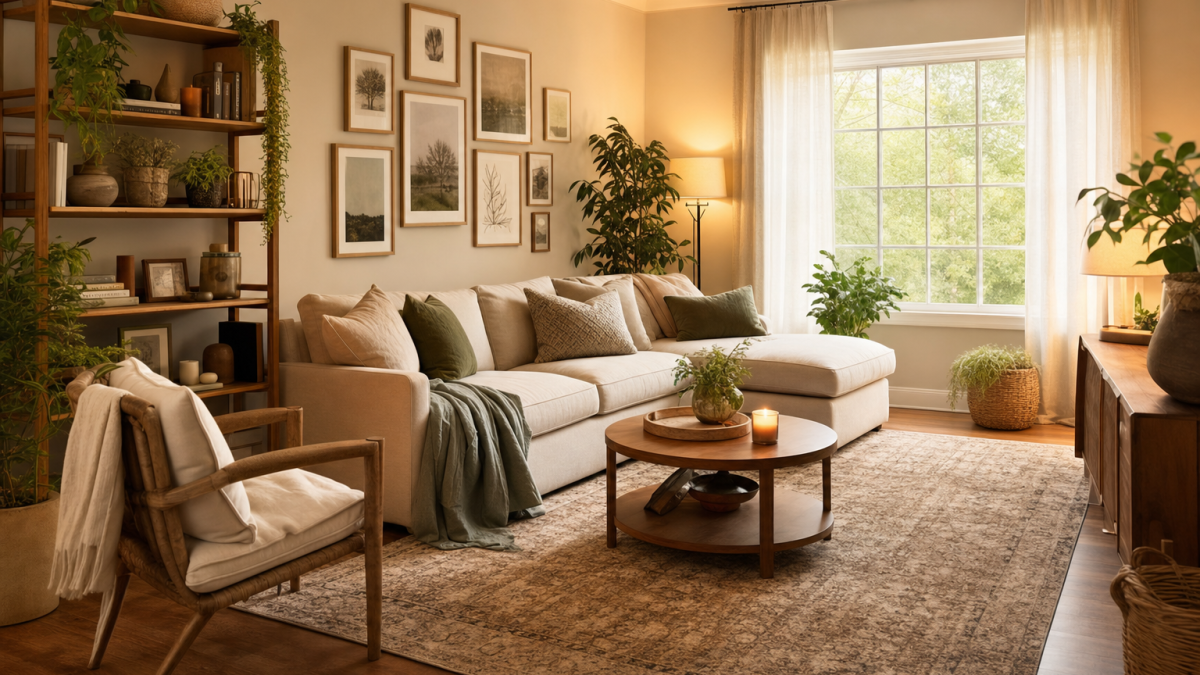
You don’t need a designer budget to create a home that feels curated, comfortable, and genuinely yours. Some of the most impressive room transformations cost less than a dinner out. The secret isn’t spending more — it’s spending strategically, layering thoughtfully, and knowing which changes deliver the biggest visual impact for the smallest investment.
The Hierarchy of Impact: Where to Spend First
Not all decor changes are created equal. If you have $200 to transform a room, spend it on the elements that change how the room feels, not just how it looks. The hierarchy of impact, confirmed by interior designers and budget decorators alike, is simple:
- Paint and color — changes the entire mood for $25 to $45
- Lighting — accounts for 40% of perceived room quality
- Textiles — rugs, pillows, throws soften and define spaces
- Wall art and mirrors — add personality and visual depth
- Plants and natural elements — bring life and warmth
Start at the top of this list and work down. A room with great paint, layered lighting, and a quality rug will always feel more expensive than a room filled with decorative objects.
Paint: The Single Most Powerful Transformation
A gallon of interior paint costs $25 to $45 and changes the entire feel of a room. The 2026 trending colors include warm terracotta, sage green, soft blue-grey, dusty sage, and warm cream — all versatile, calming tones that work across styles.
Color Drenching
Painting walls, ceiling, and trim the same color creates instant depth and sophistication. This technique, popular in European interiors, makes rooms feel larger and more cohesive. A single gallon often covers a small room entirely when used this way.
Accent Walls on a Budget
Half a gallon ($12 to $20) behind a bed or sofa creates a dramatic focal point. Choose the wall you see first when entering the room. Dark, moody colors work surprisingly well in small spaces — they blur boundaries and make the room feel enveloping rather than cramped.
Prep Matters
The difference between amateur and professional-looking paint comes down to preparation. Spackle holes, sand lightly, clean walls with a degreaser, and use quality painter’s tape. These steps cost nothing but time and separate a crisp finish from a sloppy one.
Lighting: The Most Overlooked Upgrade
Lighting is consistently rated the highest-impact, lowest-cost transformation by interior designers. Most rooms suffer from a single overhead fixture that creates harsh shadows and flat, unflattering light.
Layer Your Light Sources
Every room needs three types of light:
- Ambient — overall illumination (ceiling fixture, natural light)
- Task — focused light for specific activities (reading lamp, under-cabinet kitchen lights)
- Accent — decorative light that highlights features (picture lights, uplighting plants)
Thrift store lamps cost $5 to $30 each. Adding two table lamps and a floor lamp to a living room transforms it from harsh to inviting for under $100.
Bulb Temperature Matters
Use warm 2700K bulbs in living rooms and bedrooms for a cozy glow. Cooler 4000K to 5000K bulbs work better in kitchens and bathrooms where clarity matters. Smart bulbs ($30 to $60) let you adjust temperature and brightness throughout the day.
Install Dimmer Switches
Dimmer switches cost $15 to $30 each and let you control mood instantly. A living room at full brightness feels like an office. At 40% with warm bulbs, it feels like a lounge.
Textiles: Softness and Structure
Textiles do more than add color — they absorb sound, define zones, and make spaces feel finished.
Start with the Rug
A quality area rug anchors the entire room. For a 5×8 foot rug, budget $100 to $300. Natural fiber rugs (jute, wool, cotton) age better than synthetics and feel more expensive. The rug should be large enough that at least the front legs of all major furniture pieces rest on it.
Layer Rugs
Place a smaller patterned rug over a neutral base rug for visual interest. This technique, borrowed from Moroccan and Bohemian interiors, adds depth without clutter.
Mix Textures
Aim for three to four textures per room: velvet pillows, linen curtains, a chunky knit throw, and a woven basket. More than four feels chaotic; fewer feels flat. Rotate seasonally — heavy knits in winter, lightweight linen in summer.
Cushions and Throws
New cushion covers ($40 to $80 for a set) and a quality throw blanket ($30 to $60) refresh a sofa instantly. This is the fastest, cheapest way to update a room’s color palette without replacing major furniture.
Wall Art and Mirrors: Personality and Depth
Bare walls make rooms feel temporary and unfinished. Art and mirrors add the personality that makes a house feel like a home.
Gallery Walls
Print free art from online sources, thrift mismatched frames, and spray paint them all one color ($5 for a can of paint). A cohesive gallery wall costs under $50 and looks curated rather than random. Lay the arrangement on the floor before hanging to test the composition.
Large-Scale Art
One large canvas print ($150 to $400) makes a stronger statement than ten small pieces. It sets the room’s color palette and gives the eye a place to rest. Position it at eye level — the center of the piece should hang 57 to 60 inches from the floor.
Strategic Mirrors
A large floor or wall mirror opposite a window doubles natural light and visually expands the room. Thrifted mirrors cost $10 to $30 and deliver more spatial impact than any other single item. For small rooms, this is non-negotiable.
Plants and Natural Elements
Living things make rooms feel inhabited. Plants add color, texture, and a sense of care that no decorative object can replicate.
Best Beginner Plants
- Pothos — thrives in low light, nearly impossible to kill, trails beautifully from shelves
- Snake plant — tolerates neglect, adds vertical structure, filters air
- Fiddle leaf fig — dramatic statement plant, needs bright indirect light
- Monstera — tropical feel, large leaves create visual impact
Plants cost $10 to $30 each at local nurseries. Place trailing varieties on high shelves and upright varieties on plant stands to vary height.
Natural Materials
Wood floating shelves, rattan baskets, linen curtains, and ceramic vases reinforce a biophilic warmth that reads as expensive. These materials age well and never look trendy in a way that dates quickly.
Small Space Strategies
Small rooms require different tactics than large ones. The goal is to maximize function without sacrificing style.
Go Vertical
Tall bookshelves and floating shelves draw the eye upward, making ceilings feel higher. Use the full height of your walls — storage and display space that doesn’t consume floor area.
Float Your Furniture
Pull furniture 12 to 18 inches from walls. Counterintuitively, this makes rooms feel larger by creating defined zones and improving traffic flow. A sofa floating in the center of a room with a console table behind it feels intentional, not cramped.
Multi-Functional Pieces
A storage ottoman provides seating, storage, and a coffee table surface. An IKEA KALLAX unit divides a studio apartment while providing shelving on both sides. Every piece in a small space should earn its footprint.
Cohesive Palette
Limit yourself to two or three colors maximum. Visual clutter kills small spaces faster than actual clutter. A restricted palette makes a 480-square-foot studio feel intentional and serene — as demonstrated by decorators who have transformed tiny apartments for under $650 total.
DIY Projects That Actually Work
Hardware Swap
Replacing cabinet and drawer hardware with brushed gold or matte black handles costs $18 to $35 and transforms kitchens and bathrooms. This 30-minute project delivers a custom look without custom prices.
Peel-and-Stick Backsplash
Smart Tiles and similar products cost $25 to $40 for a standard kitchen backsplash area. They install without grout or special tools and look surprisingly high-end. This is the best kitchen update under $50.
Floating Shelves
IKEA BERGSHULT shelves cost $20 to $30 each and install in minutes. Use them for books, plants, and curated objects. Stagger heights for visual interest rather than lining them up evenly.
Hexagonal Mirror Cluster
Five to seven small hexagonal mirrors ($20 to $50 total) arranged in a honeycomb pattern create a stunning focal wall. Installation takes under an hour with removable mounting strips.
Smart Shopping Strategies
| Item | Best Source | Price Range |
|---|---|---|
| Sofas | Facebook Marketplace, thrift stores | $80 – $200 |
| Lamps | Thrift stores | $5 – $30 |
| Frames | Dollar Tree, thrift stores | $1 – $20 |
| Rugs | IKEA, Walmart, HomeGoods | Under $150 |
| Plants | Local nurseries | $10 – $30 |
| Hardware | Walmart, Amazon | $18 – $35 |
| Paint | Any hardware store | $25 – $45/gallon |
Seasonal Shopping
Buy seasonal decor at 50% to 75% off after the season ends. Holiday items in January, outdoor furniture in September, and winter textiles in March. Plan your purchases a year ahead and store them.
Thrift First, New Second
Shop thrift stores and Facebook Marketplace before buying new. Many high-quality pieces — solid wood furniture, vintage lamps, wool rugs — are donated when people move or redecorate. Fill gaps with new purchases only after exhausting secondhand options.
Free Changes That Make a Difference
Some of the most effective transformations cost nothing:
- Rearrange furniture — try three different layouts before settling. Most people leave furniture where it was placed on move-in day.
- Declutter surfaces — remove 30% of objects from tables, shelves, and countertops. Negative space makes rooms feel curated, not empty.
- Clean windows — immediate brightness boost that costs only time and glass cleaner.
- Swap items between rooms — move a lamp from the bedroom to the living room, a rug from the dining room to the office. Fresh context makes old pieces feel new.
- Style your bookshelves — arrange books by color, intersperse with objects, and leave breathing room between groupings.
Room-by-Room Budget Guide
| Room | Budget Refresh | Key Investments |
|---|---|---|
| Living room | $150 – $500 | Rug, lighting, throw pillows, art |
| Bedroom | $100 – $350 | Bedding, bedside lamps, mirror, paint |
| Bathroom | $30 – $100 | Hardware, towels, plants, storage |
| Kitchen | $50 – $200 | Peel-and-stick backsplash, hardware, open shelving |
| Entryway | $40 – $150 | Mirror, small console, hooks, rug |
Final Thoughts
The best budget rooms share one trait: they’re curated over time, not bought in a weekend. Start with one room — the one you spend the most time in. Focus on paint, lighting, and one statement piece. Build slowly, choosing quality over quantity. A room with three well-chosen pieces and intentional negative space always feels more expensive than a room crammed with trendy decor.
Your home should reflect you, not a catalog. The most beautiful spaces are layered, personal, and slightly imperfect. Start with what you have, add strategically, and enjoy the process of making your space genuinely yours.
